
Top-rated radon detection and reduction specialists.

Get matched with top radon detection and reduction specialists in Piketon, OH

Enter your zip and get matched with up to 5 pros

Need a pro for your radon detection and reduction project in Piketon, OH?

Select your specific project to find the pro for you.

Find Radon detection and reduction specialists in Piketon

Avatar for Beatty Home Inspections LLC
Beatty Home Inspections LLC
5.0(
4
)
Radon Gas - AbatementRadon Gas - Testing

Serving Piketon, OH and surrounding areas

Approved

In business since 2015

Free estimates

Emergency services offered

"Beatty home inspections was awesome to work with! Being a first time home buyer, we really didn?t know much about the process or what to expect. Chris?s expertise not only made us more knowledgeable about it ourselves, but put our mind at ease that the issue would be fixed. The issue was in fact, fixed. I would recommend him tenfold to anyone looking to get a radon mitigation system put in."
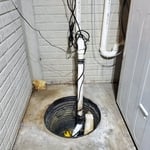
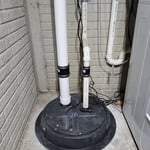
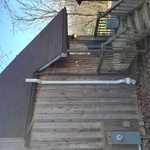
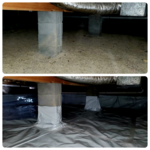
Radon Install
Radon Install
Radon Install
Radon Install
Radon Install

+16

Response time2 hrs
Response rate100%
Radon Detection and Reduction questions, answered by experts

Keeping radon from getting into your home is much better than having to get rid of it once it's already indoors. While there may not be a way to fully prevent radon from getting into your home, there are things you can do to reduce the gas's ability to enter. 

Sealing foundation cracks and openings can help keep the gas from seeping inside. Improving air flow, such as by opening windows, can also be helpful. If you're building your home from scratch, talk to your contractor about using radon-resistant construction to keep the gas out.

The natural breakdown of uranium in soil, rock, and water can cause radon to appear in a home. The gas seeps into homes through cracks in foundations, walls, or floors, as well as through gaps around pipes or construction joints. Radon levels are influenced by soil composition, building materials, and ventilation. Poorly sealed or airtight homes can trap radon, allowing it to accumulate.

You'll need to test your home for radon after installing the mitigation system, then again every two years. If radon remains elevated, contact a licensed radon professional, either the contractor who installed the system or a different one, and have them evaluate the system. They may need to make some changes to improve its effectiveness and performance.

If high radon levels are detected, steps include sealing entry points, installing a mitigation system, and retesting the air regularly to ensure reduced levels.

Radon enters your home when warm air begins to rise and exits through the roof, creating a vacuum that pulls cooler air from under the foundation. Part of that air is radon, which is an invisible, odorless gas that develops naturally when radioactive particles are deep within the ground. Those particles usually come from decaying matter in soil and rocks.

The Piketon, OH homeowners’ guide to radon detection and reduction services

From average costs to expert advice, get all the answers you need to get your job done.