




Top-rated radon detection and reduction specialists.

Best radon detection and reduction specialists near Lucasville, OH

Enter your zip and get matched with up to 5 pros

Need a pro for your radon detection and reduction project in Lucasville, OH?

Select your specific project to find the pro for you.

Top-Rated Radon detection and reduction specialists in Lucasville - Updated Nov 2026

Avatar for Tri-State Smart Home Solutions, LLC
Tri-State Smart Home Solutions, LLC
4.9(
39
)
Radon Gas - Testing

Serving Lucasville, OH and surrounding areas

In business since 2018

Credit card accepted

"Very professional and courteous company. Chris was quick to respond, complete inspection and provide report. He answered all of our questions and provided a thorough report. I highly recommend!"
Roof Inspection
Roof Inspection
Porch Railing
Electrical in Garage
Water Heater

+10

Response time8 hrs
Recommended by97%of homeowners
Radon Detection and Reduction FAQs, answered by experts

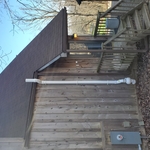
Radon enters your home when warm air begins to rise and exits through the roof, creating a vacuum that pulls cooler air from under the foundation. Part of that air is radon, which is an invisible, odorless gas that develops naturally when radioactive particles are deep within the ground. Those particles usually come from decaying matter in soil and rocks.

No level of radon is technically safe, but since it is naturally present everywhere, it is impossible to avoid entirely. The average radon level in homes across the United States is 1.3 picocuries per liter (pCi/L). The Environmental Protection Agency (EPA) recommends taking action to reduce radon levels if your home's test results are between 2 and 4 pCi/L or higher.

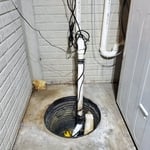
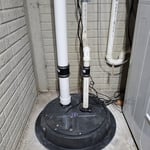
If your home has a sump pit, you can integrate it with a radon mitigation system. You can accomplish this by sealing the pump cover with an airtight lid that accommodates radon vent pipes and sump pump hoses. This allows the vent pipe to redirect the radon gas outside of your home.

Your radon fan needs to operate 24/7 to be effective. The only time the fan isn't operating is during its replacement. Radon levels in the home can increase within hours if the fan stops working or something obstructs the stack vent. Fortunately, radon systems require no downtime maintenance between fan changes.

The average radon mitigation system uses about 876 kWh of electricity per year, although the exact amount of electricity used will vary depending on the size of the radon fan. Once the system is installed, the annual increase to your energy bill could range from $30 to $300 per year, again depending on the size of the fan.

The Lucasville, OH homeowners’ guide to radon detection and reduction services

From average costs to expert advice, get all the answers you need to get your job done.