Top-rated radon detection and reduction specialists.

Get matched with top radon detection and reduction specialists in Painesville, OH

Enter your zip and get matched with up to 5 pros

Need a pro for your radon detection and reduction project in Painesville, OH?

Select your specific project to find the pro for you.

Find Radon detection and reduction specialists in Painesville

Avatar for EEHI LLC
EEHI LLC
5.0(
57
)
Radon Gas - AbatementRadon Gas - Testing

Serving Painesville, OH and surrounding areas

Approved

Super Service Award Winner

In business since 2022

Free estimates

Warranties offered

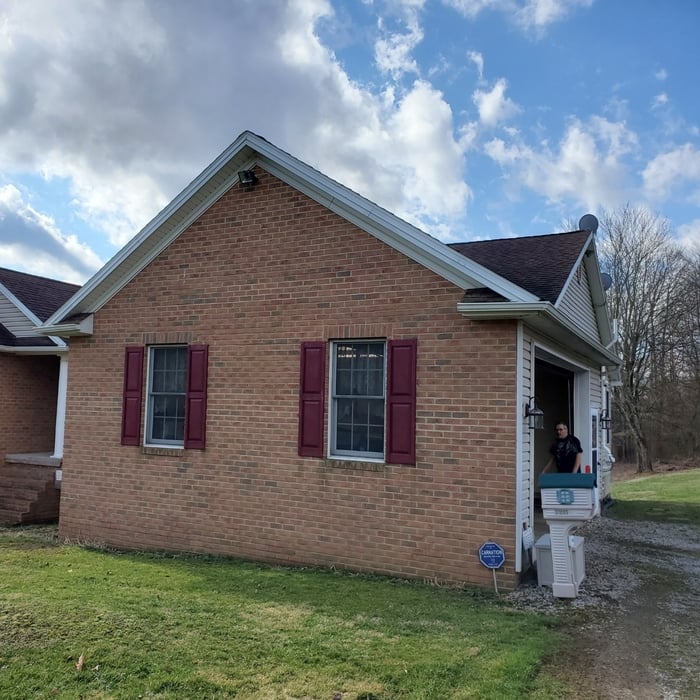
"Brett recently completed a home radon test in my home, and as a realtor, he has completed home inspections for many of my clients. He's professional, thorough, and very knowledgeable regarding all mechanical aspects of the home. He's also a true professional and always reliable. I would highly recommend him to anyone needing a home inspection or radon test."
Electrical
HVAC
HVAC
Electrical
Fireplace

+6

Response time5 hrs
Response rate86%
25 neighbors recently requested a quote
Neatnics The Home Repair Co
4.5(
141
)
Radon Gas - Testing

Serving Painesville, OH and surrounding areas

Approved

In business since 1987

Emergency services offered

Warranties offered

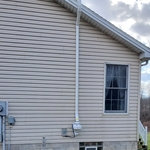
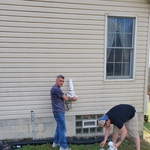
"Adam and Nick arrived on time and performed the fan installation quickly and efficiently. The men acted as a team and helped the job to go faster. After seeing how the job went, we asked Adam to look at another project and after hearing his diagnosis and estimate contracted with him to do another job."
Additional Photos
Additional Photos
Additional Photos
Additional Photos
Additional Photos

+70

1 neighbors recently requested a quote
Recommended by88%of homeowners
Avatar for Ohio Radon Testing and Mitigation Company
Ohio Radon Testing and Mitigation Company
5.0(
6
)
Radon Gas - AbatementRadon Gas - Testing

Serving Painesville, OH and surrounding areas

In business since 2020

Free estimates

Emergency services offered

"They brought my number down substantially. I had a really good experience about them. The company tells you exactly what's going on and supported the fact with documents. The workers were personable and work fast. I would recommend them to everybody and I'll definitely use them again"
Mitigation Install
Mitigation Install
Mitigation Install
Mitigation Install
Mitigation Install

+1

Recommended by100%of homeowners
Showing 1-10 of 15
Radon Detection and Reduction questions, answered by experts

Keeping radon from getting into your home is much better than having to get rid of it once it's already indoors. While there may not be a way to fully prevent radon from getting into your home, there are things you can do to reduce the gas's ability to enter. 

Sealing foundation cracks and openings can help keep the gas from seeping inside. Improving air flow, such as by opening windows, can also be helpful. If you're building your home from scratch, talk to your contractor about using radon-resistant construction to keep the gas out.

The natural breakdown of uranium in soil, rock, and water can cause radon to appear in a home. The gas seeps into homes through cracks in foundations, walls, or floors, as well as through gaps around pipes or construction joints. Radon levels are influenced by soil composition, building materials, and ventilation. Poorly sealed or airtight homes can trap radon, allowing it to accumulate.

Radon enters your home when warm air begins to rise and exits through the roof, creating a vacuum that pulls cooler air from under the foundation. Part of that air is radon, which is an invisible, odorless gas that develops naturally when radioactive particles are deep within the ground. Those particles usually come from decaying matter in soil and rocks.

Your radon fan needs to operate 24/7 to be effective. The only time the fan isn't operating is during its replacement. Radon levels in the home can increase within hours if the fan stops working or something obstructs the stack vent. Fortunately, radon systems require no downtime maintenance between fan changes.

No level of radon is technically safe, but since it is naturally present everywhere, it is impossible to avoid entirely. The average radon level in homes across the United States is 1.3 picocuries per liter (pCi/L). The Environmental Protection Agency (EPA) recommends taking action to reduce radon levels if your home's test results are between 2 and 4 pCi/L or higher.

The Painesville, OH homeowners’ guide to radon detection and reduction services

From average costs to expert advice, get all the answers you need to get your job done.