


Top-rated radon detection and reduction specialists.

Best radon detection and reduction specialists near Gates Mills, OH

Enter your zip and get matched with up to 5 pros

Need a pro for your radon detection and reduction project in Gates Mills, OH?

Select your specific project to find the pro for you.

Top-Rated Radon detection and reduction specialists in Gates Mills - Updated Nov 2026

Avatar for Safe & Secure Home Inspections - Pgina inicial  Facebook
Safe & Secure Home Inspections - Pgina inicial Facebook
4.8(
19
)
Radon Gas - Testing

Serving Gates Mills, OH and surrounding areas

In business since 2014

Free estimates

Credit card accepted

"Very reasonably priced, professional, thorough and responsive. All we needed was a radon inspection, but I wouldn't hesitate to hire Bill again should a need arise -- and I highly recommend him."
Safety Hazard!
Mold Growth
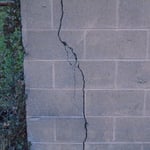
Broken Foundation
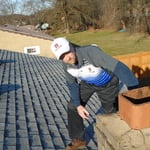
Roof and Chimney Inspection
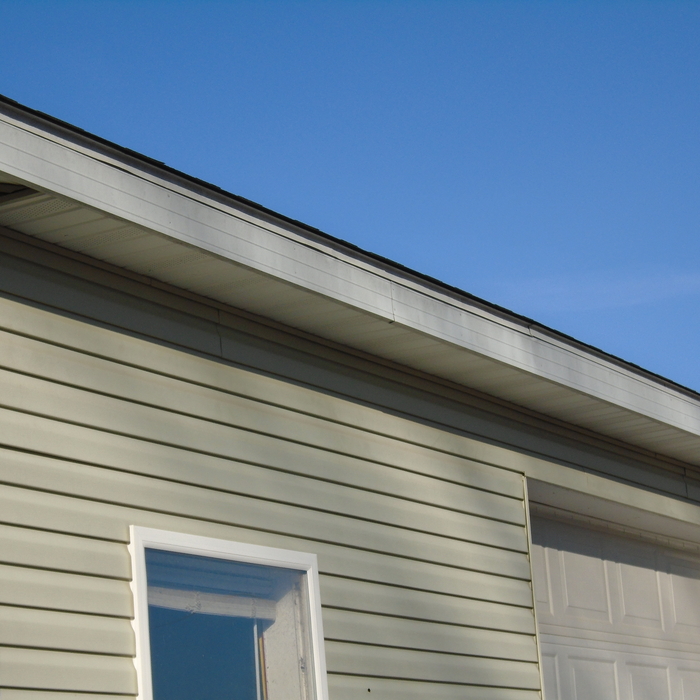
Missing Flashing and Gutter

+2

Response time50 mins
Response rate92%
Recommended by94%of homeowners
Showing 1-10 of 19
Radon Detection and Reduction FAQs, answered by experts

No, air purifiers are not an effective way to reduce or remove radon. Radon is a radioactive, inert gas that cannot be filtered by standard air purifiers, which are designed to capture particulates like dust and mold. While an air purifier can improve indoor air quality by removing other pollutants, it should not be relied upon for radon. The only effective solution for high radon levels is a dedicated radon mitigation system.

No level of radon is technically safe, but since it is naturally present everywhere, it is impossible to avoid entirely. The average radon level in homes across the United States is 1.3 picocuries per liter (pCi/L). The Environmental Protection Agency (EPA) recommends taking action to reduce radon levels if your home's test results are between 2 and 4 pCi/L or higher.

Radon enters your home when warm air begins to rise and exits through the roof, creating a vacuum that pulls cooler air from under the foundation. Part of that air is radon, which is an invisible, odorless gas that develops naturally when radioactive particles are deep within the ground. Those particles usually come from decaying matter in soil and rocks.

Abatement includes sealing entry points and venting with systems that reduce radon levels below recommended EPA limits. It is handled by certified professionals.

Ideally, no one will live in a house with elevated radon levels, as prolonged exposure increases the risk of serious health issues like lung cancer. However, homes with radon can be made safe through mitigation systems, such as active soil depressurization. Testing for radon regularly and addressing high levels helps ensure a safe living environment.

The Gates Mills, OH homeowners’ guide to radon detection and reduction services

From average costs to expert advice, get all the answers you need to get your job done.