




Top-rated radon detection and reduction specialists.

Get matched with top radon detection and reduction specialists in Newbury, OH

Enter your zip and get matched with up to 5 pros

Need a pro for your radon detection and reduction project in Newbury, OH?

Select your specific project to find the pro for you.

Find Radon detection and reduction specialists in Newbury

Avatar for Safe & Secure Home Inspections - Pgina inicial  Facebook
Safe & Secure Home Inspections - Pgina inicial Facebook
4.8(
19
)
Radon Gas - Testing

Serving Newbury, OH and surrounding areas

In business since 2014

Free estimates

Credit card accepted

"Bill was wonderful and has our highest recommendations. He answered every call and replied to every message promptly, with knowledgeable responses. He was early to the inspection, took the time not only to inspect our new house thoroughly (no rushed feel), but also answered all of our questions as first-time home buyers in a very personable manner. He even inspected the roof despite the rain! Pricing was very reasonable and included all of the work we needed (added radon and pest). His thorough report came as promised later that day, and he answered follow-up questions we had afterward. We felt confident in our decision to move forward with our home purchase because of Bill's outstanding work. It shows that Bill really cares about his work and enjoys what he does. Excellent service, thank you!"
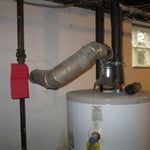
Safety Hazard!
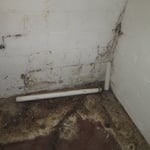
Mold Growth
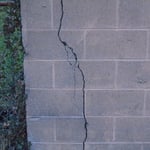
Broken Foundation
Roof and Chimney Inspection
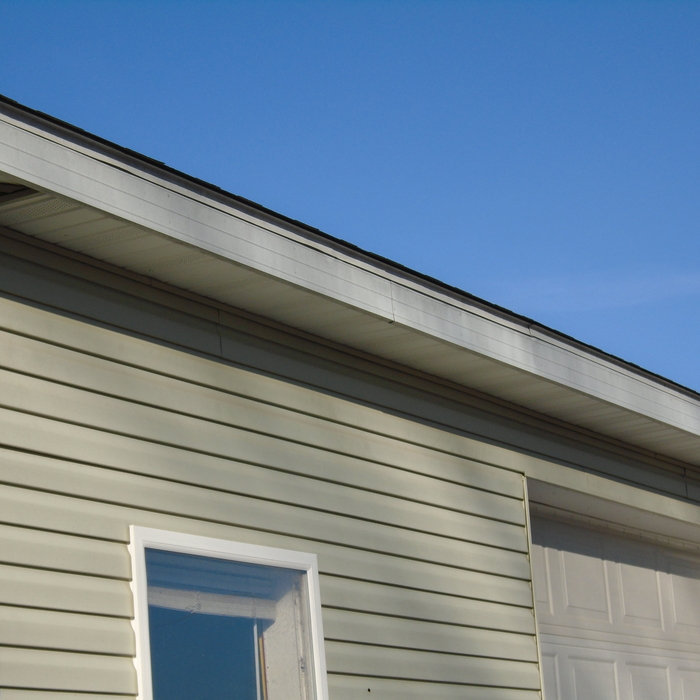
Missing Flashing and Gutter

+2

Response time50 mins
Response rate92%
Recommended by94%of homeowners
Showing 1-10 of 17
Radon Detection and Reduction questions, answered by experts

If your home has a sump pit, you can integrate it with a radon mitigation system. You can accomplish this by sealing the pump cover with an airtight lid that accommodates radon vent pipes and sump pump hoses. This allows the vent pipe to redirect the radon gas outside of your home.

The average radon mitigation system uses about 876 kWh of electricity per year, although the exact amount of electricity used will vary depending on the size of the radon fan. Once the system is installed, the annual increase to your energy bill could range from $30 to $300 per year, again depending on the size of the fan.

Radon is a cancer-causing radioactive gas that poses serious health risks, infiltrating homes through foundation cracks and unnoticed spaces.

A homeowner can install a radon mitigation system on their own. But it’s a challenging DIY that requires a lot of knowledge about radon mitigation as well as familiarity with local regulations. You do not want to risk an improper installation that leaves the system unable to detect radon or gives it a shortened life span. Relying on a professional is the surest way to guarantee a successful installation.

Keeping radon from getting into your home is much better than having to get rid of it once it's already indoors. While there may not be a way to fully prevent radon from getting into your home, there are things you can do to reduce the gas's ability to enter. 

Sealing foundation cracks and openings can help keep the gas from seeping inside. Improving air flow, such as by opening windows, can also be helpful. If you're building your home from scratch, talk to your contractor about using radon-resistant construction to keep the gas out.

The Newbury, OH homeowners’ guide to radon detection and reduction services

From average costs to expert advice, get all the answers you need to get your job done.