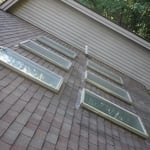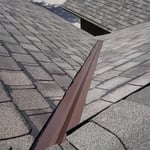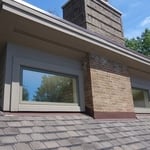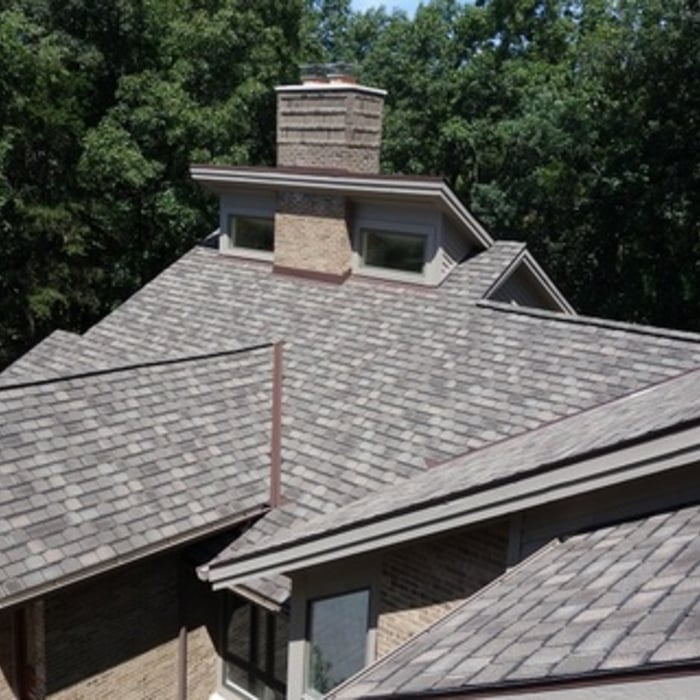



Top-rated roofers.

Best roofers near Olmsted Falls, OH

Enter your zip and get matched with up to 5 pros

Need a pro for your roofing project in Olmsted Falls, OH?

Select your specific project to find the pro for you.

TRUSTED BY OLMSTED FALLS, OH HOMEOWNERS

  • Average homeowner rating star icon4.5
    Average homeowner rating
  • Verified reviews icon2k+
    Verified roofing services reviews

Top-Rated Roofers in Olmsted Falls - Updated Nov 2026

Avatar for Buckeye State Roofing LLC
Buckeye State Roofing LLC
4.9(
43
)
Asphalt Shingle Roofing - Install or ReplaceAsphalt Shingle Roofing - RepairTraditional Tile Roofing - Install or Replace+26 more

Serving Olmsted Falls, OH and surrounding areas

Approved

In business since 2010

Free estimates

Warranties offered

"Buckeye Roofing did a great job. The workers were great. got the job done in 2 days. Cleaned up everything afterwards and was very polite and friendly. The Owner Brent Collier came out to our house and explained everything he was going to do. We had 5 roofing companies come out to our home but Buckey Roofing was the only one that did not have a mark with the Better Business Bureau. Our roof was old and had a lot of wind damage and Brent took a lot of pictures and worked with our insurance company and they paid for our roof. My neigbors have told me what a great job Buckeye Roofing done on our house. One neighbor asked for their number because he want a new roof next year and would like to got with Buckeye Roofing. All I can say is if you need a new roof talk to Brent Collier with Buckey Roofing. You will not regret it. Bev"
Completed Roof
Completed Roof
Completed Roof
Completed Roof
Completed Roof

+22

Response time2 days
Response rate100%
14 neighbors recently requested a quote
...
Showing 1-10 of 536
Roofing FAQs, answered by experts

Yes, shingles should overhang the drip edge, typically between 1/2-inch and 3/4-inch. An overhang shorter than 1/2-inch can allow wind-driven rain to get under the shingles and damage the roof deck or fascia. Conversely, an overhang longer than 3/4-inch increases the risk of shingles getting caught by strong winds, which can lead to roof uplift. Always check your local building code for exact overhang requirements in your area.

Fall is widely considered the best time of year to replace a roof. The moderate temperatures are ideal for roofing crews to work and for new shingles to seal properly. Additionally, autumn weather is often drier, reducing the risk of weather-related delays compared to the rainier spring season.

While spring is also a viable option, the higher chance of rainfall can slow down the project. The main drawback to a fall installation is that it's the peak season for roofers, which can lead to higher prices and scheduling challenges.

To potentially save money, you could consider scheduling your roof replacement during the summer or winter off-seasons. However, both seasons have significant disadvantages. Extreme summer heat can make shingles too soft to handle, while winter's cold, snow, and ice can create dangerous working conditions and prevent shingles from sealing correctly, as they typically require temperatures above 40-45°F.

A roof replacement will usually include removal of your old roof, shingle replacement, and a new roof underlayment, but it may only include adding new shingles if you’re layering new shingles over the old shingles. If you have signs of roof leaks or your roofer finds water damage to the roof decking underneath your old roof, it can also include replacement of the OSB or plywood decking that lays over your rafters and supports the roofing material above.

Venting a gas water heater out of the roof is preferable in most cases. Heated exhaust gases naturally rise, so a vertical vent pipe is efficient. If you’re trying to vent through a pipe exiting a wall, the angle of the pipe may be more horizontal than vertical, making the venting system less effective. If you go through a wall, you may need to add a fan to ensure a successful expulsion of the gases outdoors.

This will depend on your existing roof to some degree, but it’s common to raise a roof 4 to 8 feet. The exact amount you can raise is subject to the existing structure. For most homes with average roof slopes—20 to 45 degrees—you can raise the roof around 5 feet.

The Olmsted Falls, OH homeowners’ guide to roofing services

From average costs to expert advice, get all the answers you need to get your job done.