
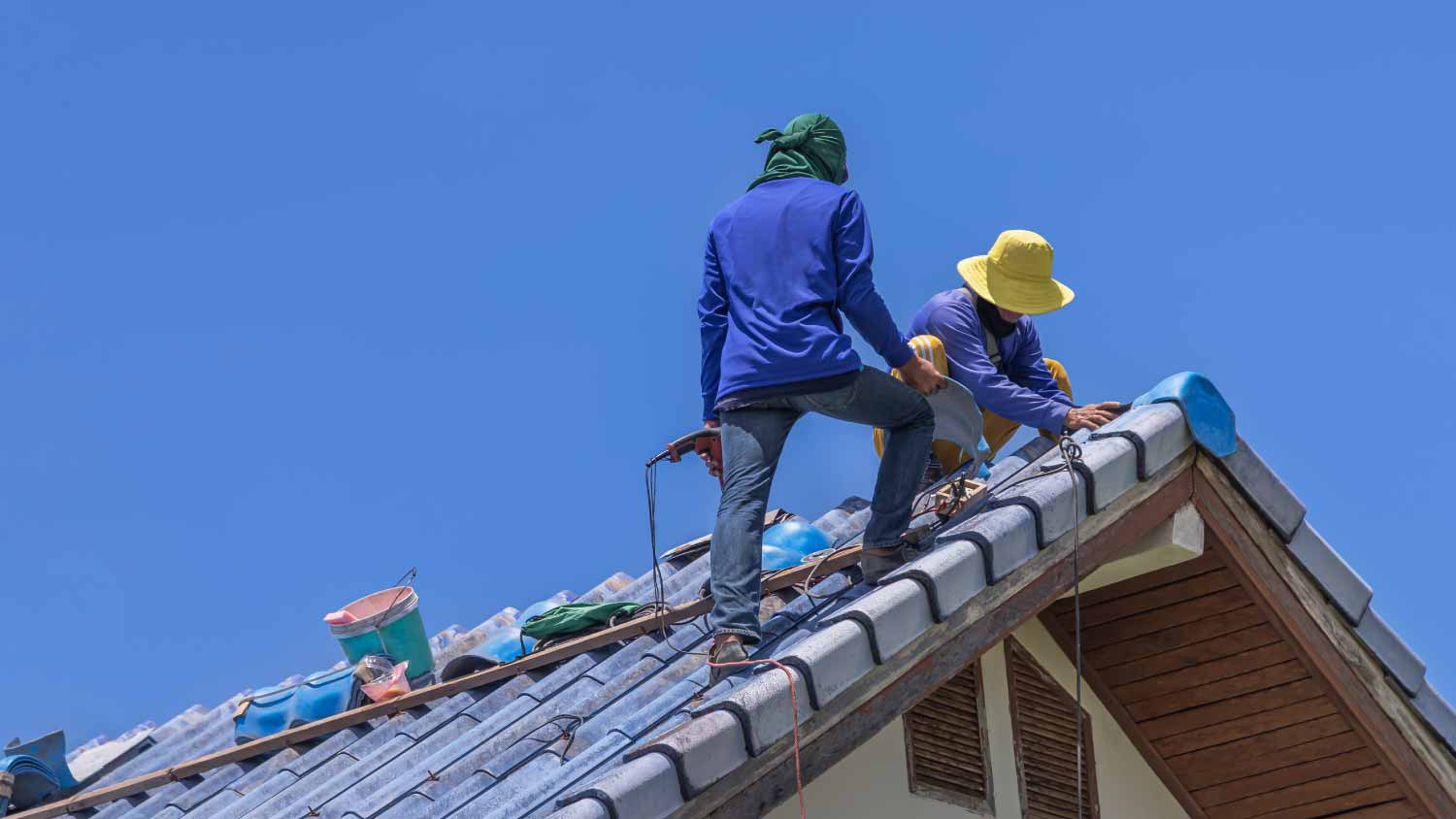
You may wonder, how much does a leaky roof cost to fix? Learn why waiting to fix even a small leak can considerably increase the final cost.
Leaks in your new roof are typically covered by a warranty


Your new roof leaks when improper installation, damaged flashing, or missing shingles allow water to seep through the roofing system into your home.
Water damage from a leaking roof can lead to mold growth within 24 to 48 hours, creating health risks and requiring costly remediation work.
You should document all water damage with photos, contain leaks with buckets, and cover the affected area with a tarp to prevent further issues.
Hiring a local roofing professional provides warranty coverage for installation issues and ensures prompt repairs that protect your home from ongoing water damage.
The whole point of getting a new roof is to update an old roof that may have been leaking, so it is more than a little frustrating when you see a new one doing the same. Leaks in a roof can cause water damage in the attic and throughout your ceiling, leading to mold buildup. Luckily, if your new roof starts leaking, you can do these nine things to get the problem addressed as quickly as possible.
When you notice signs of a roof leaking, clear away items like furniture, clothing, and photos from the area where you notice the leak. This process may also include getting up into the attic and removing those items until the leak is at least temporarily fixed.
If the leak is near electrical outlets, then you should cover those up with outlet plugs. You may also need to cover the outlet with a plastic grocery bag, tarp, or anything that will prevent water from splashing into the sockets.

For the leak itself, you can use buckets to collect the water until a pro can come to address it. This requires you to find the roof leak, but collecting the water can also help you to determine how much water is coming through the leak. This step will help your insurance company determine the severity of the problem.
As the bucket fills up, dump this water outside, as there is a chance that the water could contain pieces of the roof itself or insulation from the attic. By disposing of it outside, you ensure you are removing these materials from your home and not clogging the drain.
If the ceiling is sagging from water weight, you will want to puncture and drain it. This will help the water to drain out of the ceiling and prevent it from spreading to a broader area. To do this, get a sturdy ladder or step stool and use a screwdriver to poke a hole in the center of the sagging spot on your ceiling. Be sure to have a bucket ready to catch the water as it drains—and a few towels might help, too.
You will need to repair the sagging section of ceiling due to the water damage, so do not fret over the hole you create.
From the time you notice your roof leaking to the point of someone coming to fix it, take pictures and videos of the affected area. Having photographic proof ensures both the insurance company and the roofing company know the extent of the problem. These will also help the roofing company to pinpoint where the problem is originating and how to go about fixing the roof leak.
If possible, head to the attic and see if you can find any signs of light coming through the roof. These spots usually indicate the source of a leak. Take note of where the holes are located inside, and then you can even head to the roof if it is safe to do so and you feel comfortable.
Make sure you wear non-slip shoes while on the roof to avoid slipping and falling. If your roof is at a steep angle, do not try to walk on it. Be sure always to work with a buddy. In many cases, it is best to leave the job to the pros to prevent an injury.
If you do decide to go on the roof, locate the area where the leak is and take pictures of the damage. If you are having trouble finding it, you can consider running water over the roof to see an area where it is draining (have someone inside look for any water that drips through). Do not try to put anything in the hole where the leak is, as this could make it worse.
Since you are already on the roof, you can cover the leak with a tarp to help protect your home from the elements while you wait for a roofer. Learning how to tarp a roof is easy. Start with a tape measure to see how large the impacted area is; this will help you figure out how many tarps are needed.
Next, you will want to arrange your tarps over the affected area and weigh them down using a wooden board. Begin laying the tarp down at the roof's peak and use the board to hold it as you go. Make sure you have about four feet of excess tarp around the leak to help prevent water from seeping underneath.
Now that you have an idea of where the leak is located, get in contact with the local roofing company you worked with. If the damage was from the work of the roofing company itself, such as not properly securing shingles, improperly flashing a penetration, or forgetting to nail down certain shingles, then it is likely covered under warranty. This warranty only applies, however, if a licensed roofer installed your roof.
If it is not a manufacturer or workmanship issue, you may be on the hook for roof repair costs. It is not what you planned, but it is best to fix the damages immediately.
If the damage was from the roofing manufacturer, e.g., poor shingle adhesion, then you will be utilizing their warranty instead. This warranty process could push back the repair time, as manufacturers often have a list of roofing contractors with which they work.
If there was significant damage to other areas of your home, you should get in contact with your home insurance for anything not covered by the roofing warranty. This can include anything from furniture to appliances.
More than likely, they will want pictures of the damage from the roof leaking, and they may need to send someone to audit the damage. If a roofing contractor caused the damage, the repairs may be covered by the contractor’s liability policy.
The last thing to do is to wait out the repairs. Unfortunately, if the leak happens in spring and summer, you might have a longer waiting period for the repairs, as this is a busy time for most roofing companies. If you do have to wait a bit for repairs, you should ask the contractor to tightly fasten a tarp over the damaged area to keep water out.
Once pros finish up the repairs, make sure you take pictures of the after results. This way, you have them for your records in the unlikely event that the problem happens again.
The majority of homeowners want to schedule roof repairs within two weeks, closely followed by a demand for urgent repairs within one to two days. Don’t wait too long to call a roofer who can get a leak under control and prevent further water damage to your home.
Not taking care of a roof leaking can be detrimental to the roof and your home’s structure. Water damage is one of the worst issues a home could have and it can cause other major issues, such as mold growth and fire hazards.
Mold colonies grow within 24 to 48 hours of water damage, including dampness. So, even if you think the leak is not that bad, just a small leak can cause mold spores that quickly spread throughout the area, especially when conditions are right, i.e., dark and damp.
Mold may start in the attic, the closest area to the roof, but it can quickly spread to ceilings and walls. Mold is also airborne and can begin to affect the health of household members, not to mention require mold remediation, which may include demolishing the affected walls and ceilings and replacing them.
Water and electricity do not mix, but since you cannot control where the water leak goes, it could directly hit the electrical outlets or wiring. If the water causes a short in the electrical wiring, it can spark, causing a fire in your house.
Wet wires can put you or any household members at risk of electrocution. If you notice a roof leak, check all electrical outlets and wiring to prevent this issue until a professional can address the leak.
Water leaking into the attic can cause mold growth and other damage. Water can leak through to the ceilings, causing brown, unsightly stains on the rafters and ceiling below. It can cause the drywall to sag and even break if the weight of the water is too much.
You may notice bubbling, cracking, and expanding on the ceiling, which is a sign that water is sitting on the ceiling with nowhere to go. In addition, water in the attic can cause ventilation issues, making the entire house less comfortable.
If water leaks run down the walls and into the insulation, it can put pressure on your HVAC system. When the water-logged insulation is no longer effective, heating and air conditioning must work harder to keep your home comfortable. This increases energy costs, as well as wear and tear on your HVAC system.
Preventing future roof leaks is important to save money on roof repairs and to protect your home’s integrity. The key to doing this is regular roof inspections and maintenance. Hire a roofing professional to inspect your roof annually and complete any recommended maintenance to reduce the risk of leaks and make your roof last longer.
Repairs include replacing shingles, caulking holes, and repairing any weak spots that could easily give under the pressure of a strong storm.
Mitchell and the crew were top tier i am so happy with my new roof
 Home Genius Exteriors
D1 Roofing delivers outstanding service from beginning to end, backed by a strong warranty and expert teams. I highly recommend them for their excellence in meeting and surpassing expectations with unmatched communication. Choosing D1 Roofing was flawless decision
 Division 1 Roofing LLC
This place took $25,000 for a flat roof job with a five-year warranty and never returned to fix the leaks that were caused by their work. These people are not professionals and should not be doing this type of work. They incorrectly changed the pitch of the roof, and caused more damage than...
The technician was very professional and friendly. He answered all my questions and was very thorough. He left the fireplace area very clean . He inspected from the roof and advised me as to other work that might need to be done. There was no pressure there. I was very satisfied with the...
 Supreme brick & chimney
I am really impressed with their timeliness and turnaround. Mitchell came out, and we decided to move forward with their pricing. Our roof was on within a week, and we could not be happier with their team! Amazing company, great prices and honest, dependable craftsmanship. I highly recommend...
 Window Depot USA of Central Ohio
Manuel Calvillo is the best option in the area for roofing and you won't be disappointed.
They damaged multiple items on my property, including a marble slab used as a table top, tried to hide it, and refused to pay or replace. Arrived day one without a ladder to access roof & delayed a day. Left a mess in back yard; didn't wear face masks; no show by owner to property to see damages
 Grants Tree Service
I've hired Gary/Cherokee Roofing for two different homes, work quality, responsiveness, and completion have been great both times. And the prices quoted were very competitive. I would definitely hire again.
Lyle did a great job removing asbestos shingles from our front porch roof. They worked together with our roofer to make sure that the new roof was able to be installed on the same day that Lyle removed the asbestos shingles.
 Lyle Environmental
Bradley Builders did a good job replacing the roof on our front porch. They color-matched the existing shingles on the rest of the house and installed a metal ridge roll since we live in a historical neighborhood. They did the job while we were out of town. When we got back, everything was...
 Bradley Builders, Inc.
From average costs to expert advice, get all the answers you need to get your job done.
You may wonder, how much does a leaky roof cost to fix? Learn why waiting to fix even a small leak can considerably increase the final cost.
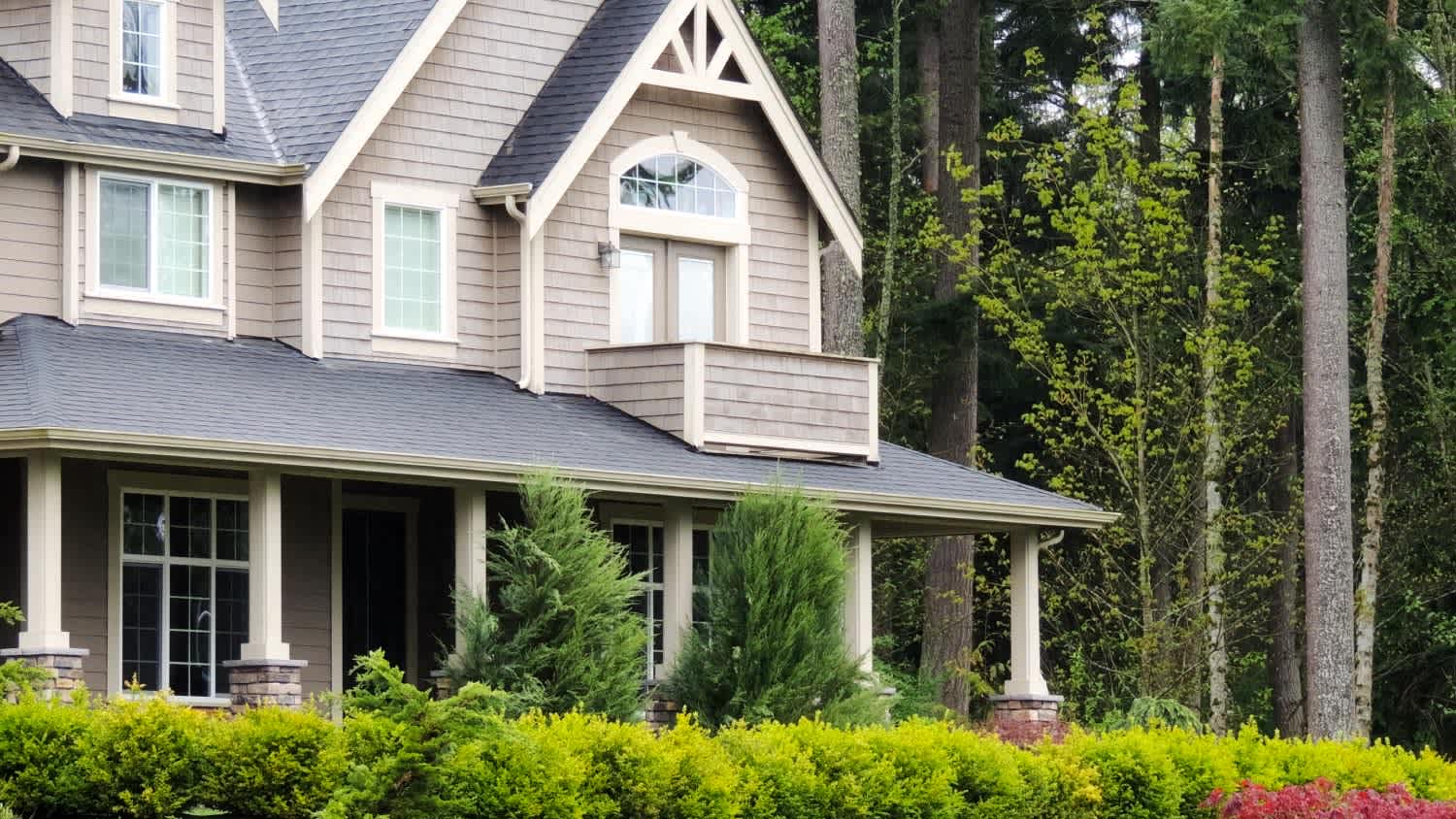
A roof leak can cause serious damage to your home. Learn what signs of a roof leak to look for and when to call a professional.
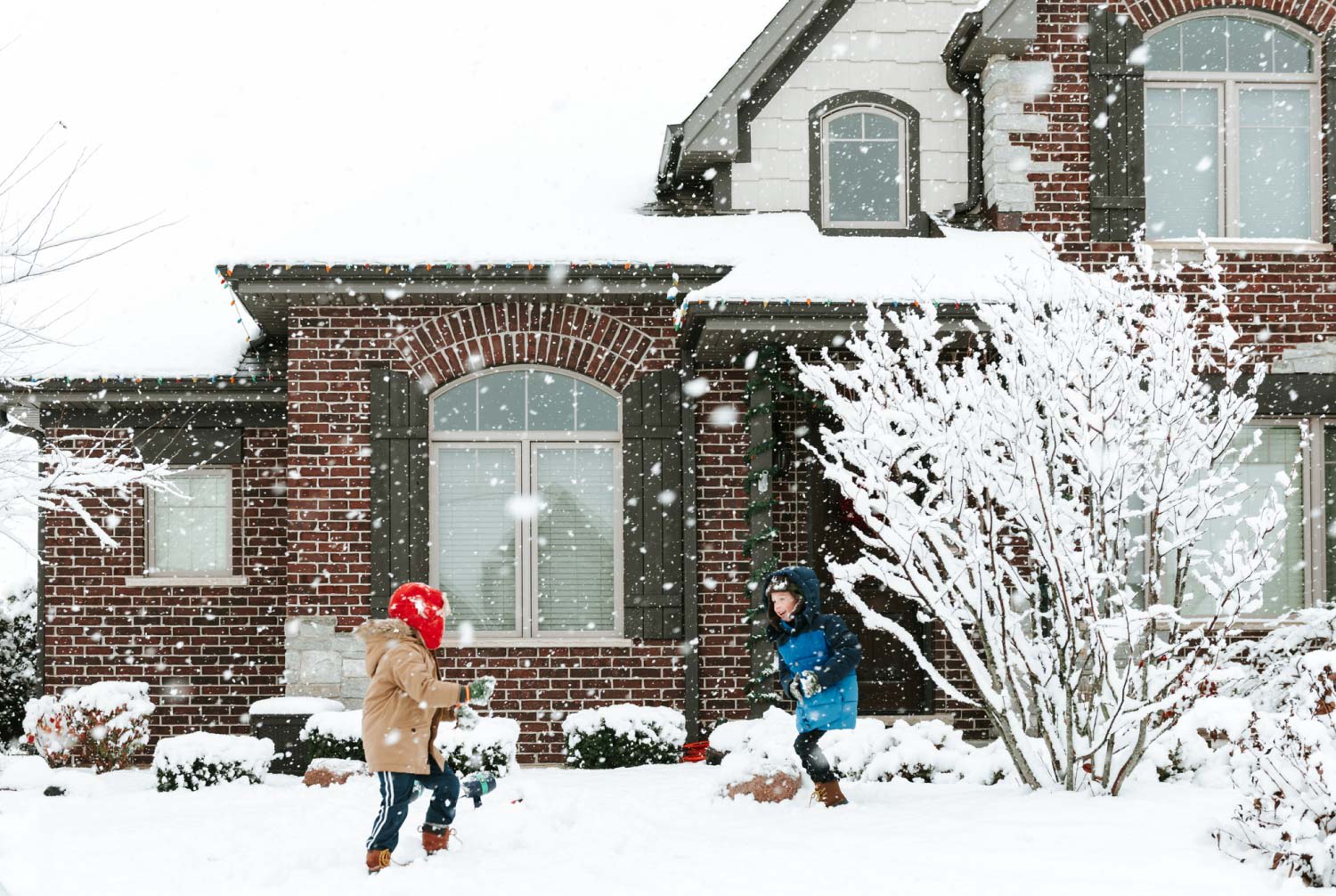
Is your roof leaking in winter? Learn about 10 causes of some winter roof leaks to help determine why melting snow is leaking into the house and what to do about it.

Roof leaks can be daunting, but understanding why your roof leaks in heavy rain is a good place to start addressing the underlying problem.

Water coming through the roof is an absolute no-no and needs to be remedied immediately. Finding a roof leak can be tricky, but our tips can help.
Curious if your home insurance covers roof leaks? Get the facts you need to know to protect your home and make informed insurance decisions.