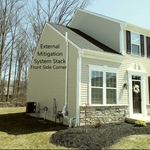
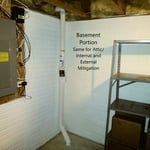
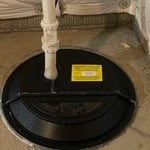
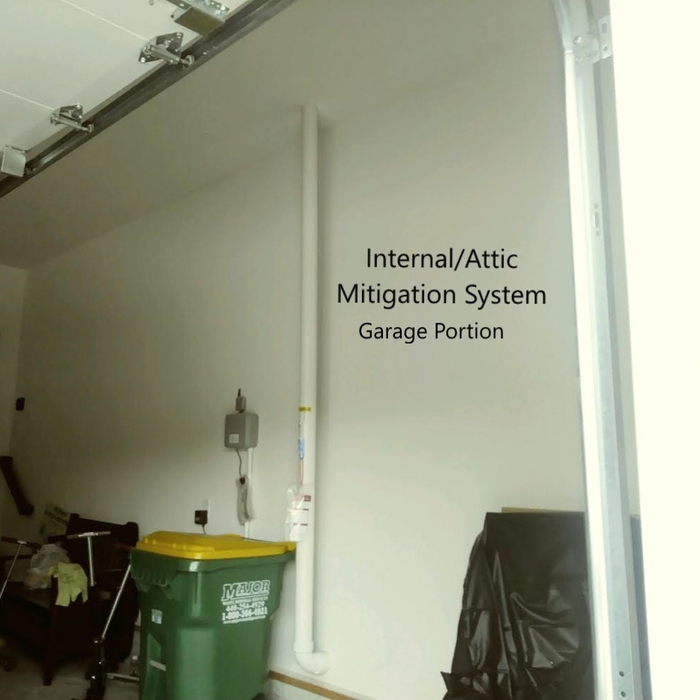
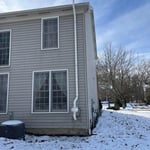
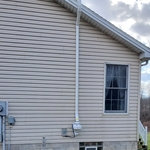
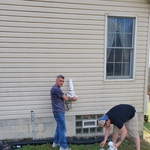
"Tim from Stoll Radon was great! He installed a mitigation system made our home a ?healthy home? Very professional, highly recommend him for radon testing/mitigation!!"
"Very competitively priced. They even offered me a small discount to help me decide on a pro since all 3 quotes I got were about the same. Job was done professionally, neatly and on-time. Nice work."
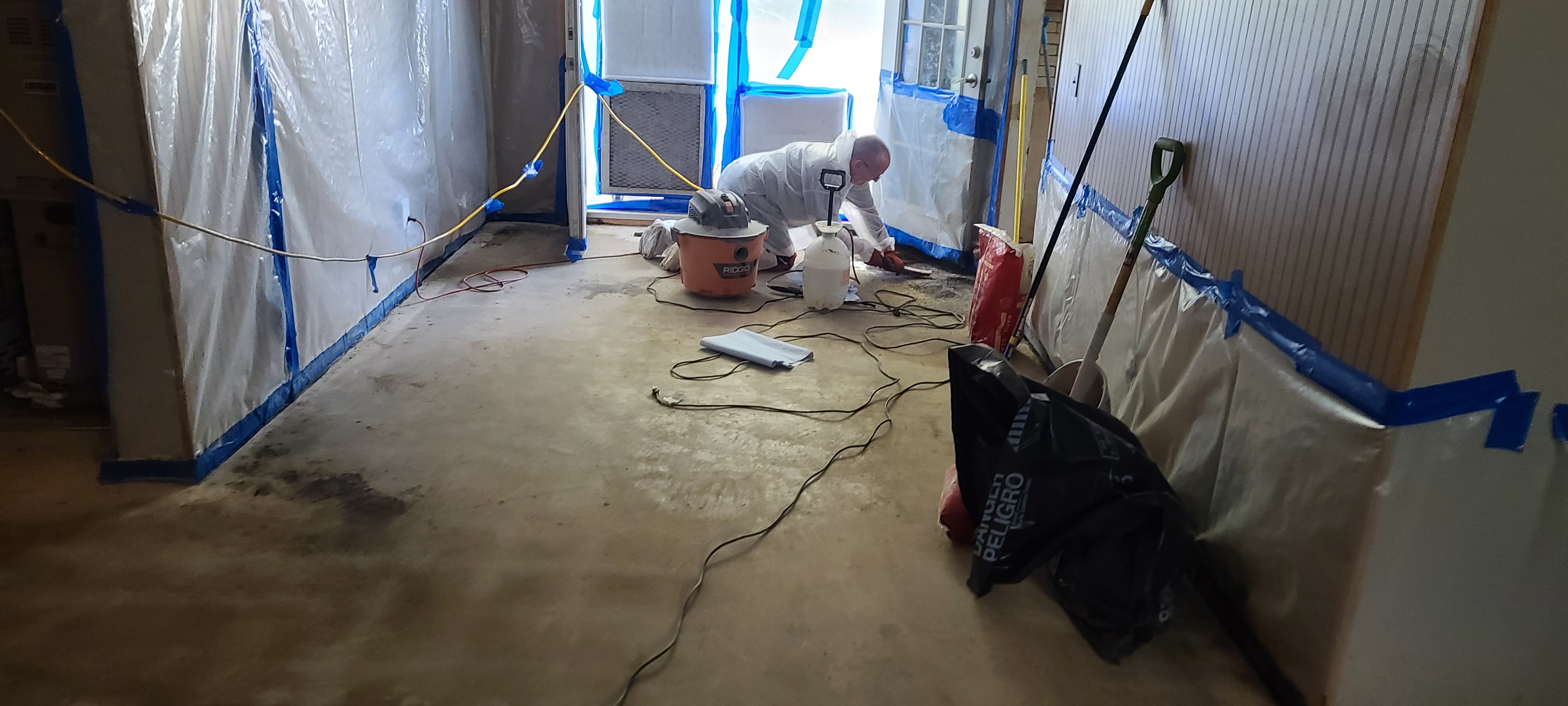
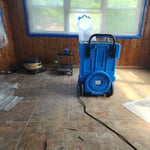
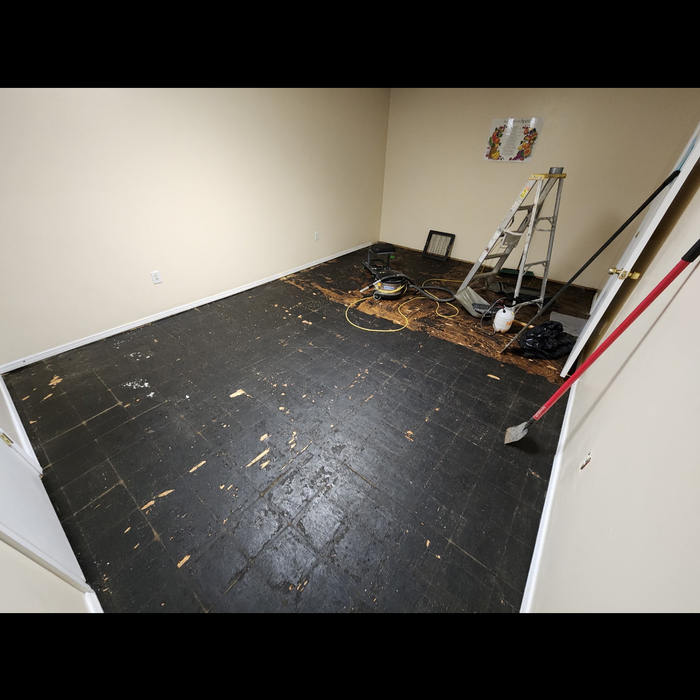
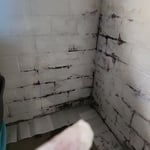
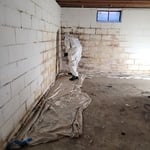
"This is the review. Let me know this is good before I send Prompt and on time service for the asbestos removal along with safe and proper poly containment. Also 3rd party testing confirmed safe air test. The workers were in suits, masks and had ASD machines running very professional and highly recommended for any asbestos work! We are very pleased the cleanup was nice, with no debris . I would definitely hire again if needed"
"I'm a realtor & have used Trust Worthy LLC many times!! Always great friendly service. Work always done as stated & on time or even sooner! Would definitely recommend!!"
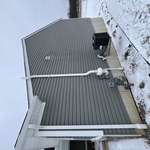
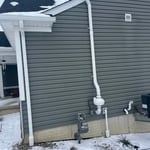
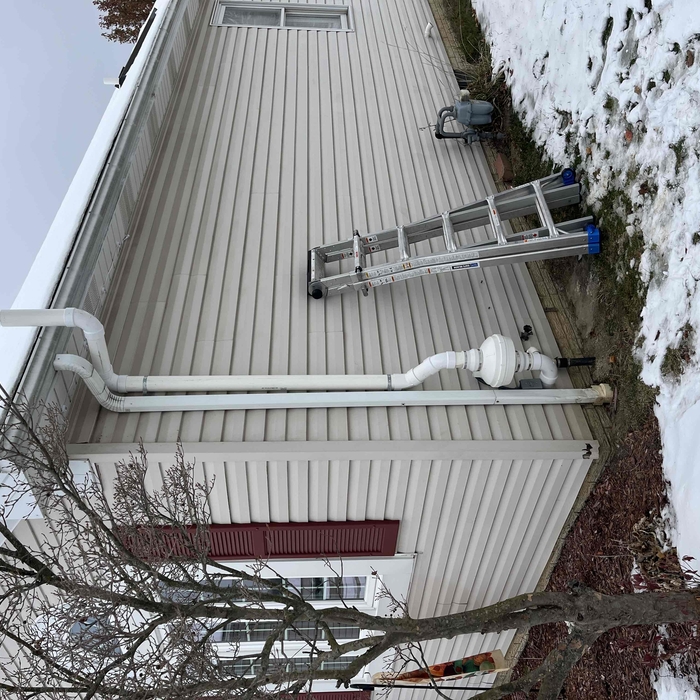
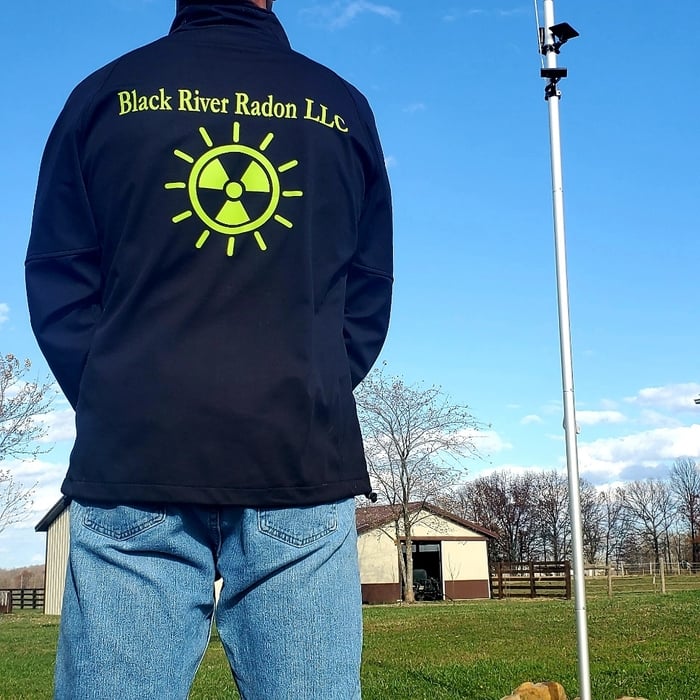
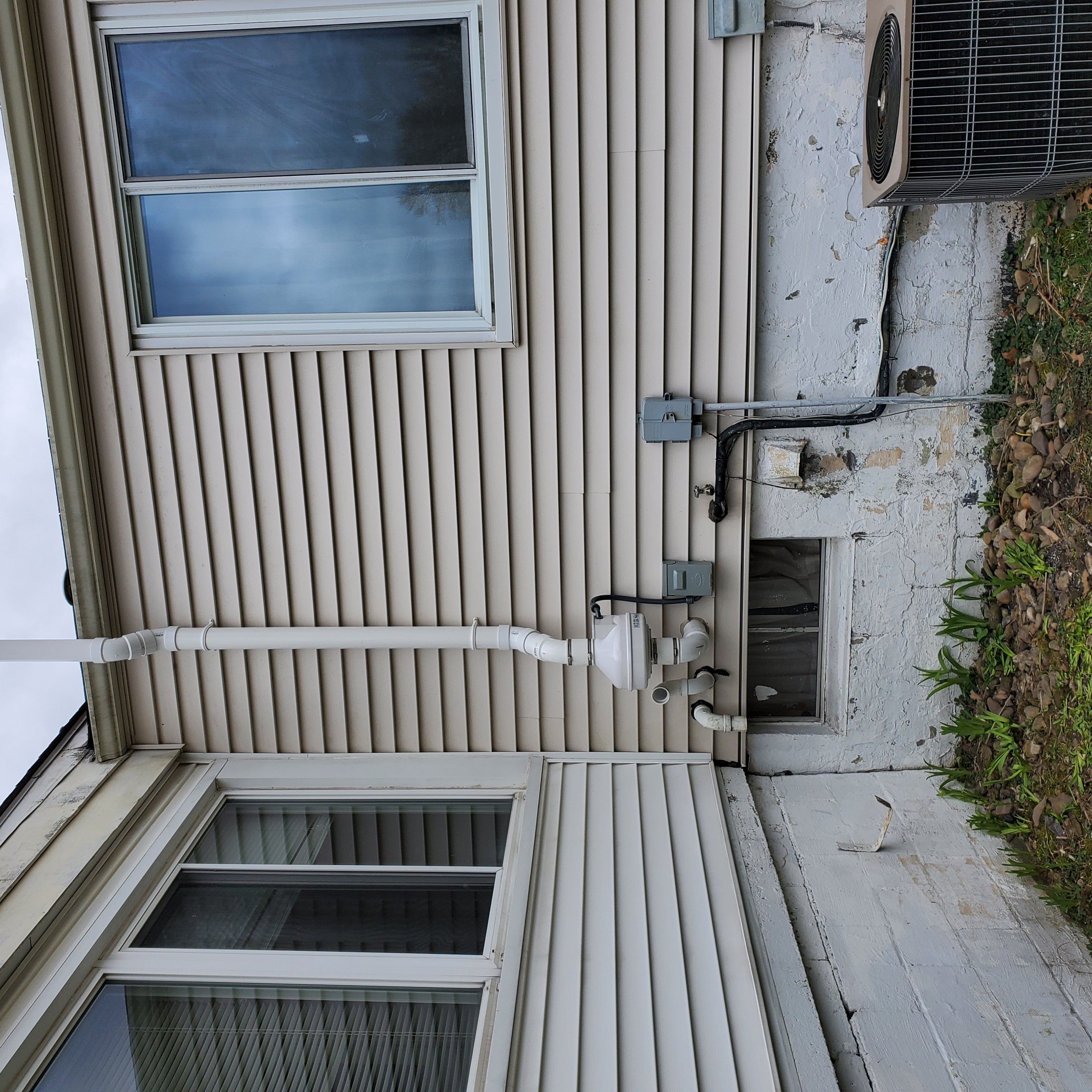
"Matt did a great job of installing my radon mitigation system. The unit is set up perfectly and looks very professional and the jobsite was cleaned up to how it was before he started the job. I would highly recommend Matt and Black River Radon for all of your radon mitigation needs."
"Bill was wonderful and has our highest recommendations. He answered every call and replied to every message promptly, with knowledgeable responses. He was early to the inspection, took the time not only to inspect our new house thoroughly (no rushed feel), but also answered all of our questions as first-time home buyers in a very personable manner. He even inspected the roof despite the rain! Pricing was very reasonable and included all of the work we needed (added radon and pest). His thorough report came as promised later that day, and he answered follow-up questions we had afterward. We felt confident in our decision to move forward with our home purchase because of Bill's outstanding work. It shows that Bill really cares about his work and enjoys what he does. Excellent service, thank you!"
Radon Detection and Reduction questions, answered by experts
A homeowner can install a radon mitigation system on their own. But it’s a challenging DIY that requires a lot of knowledge about radon mitigation as well as familiarity with local regulations. You do not want to risk an improper installation that leaves the system unable to detect radon or gives it a shortened life span. Relying on a professional is the surest way to guarantee a successful installation.
The cost for a radon mitigation system typically ranges from $800 to $1,500, with an average around $1,000. The final price depends on several factors, including the size of your home, the severity of the radon issue, and the type of system required. Your home's foundation type also significantly impacts the cost. For example, sealing and ventilating an unfinished basement might cost around $4,600, while encapsulating a crawl space without a foundation slab can range from $1,500 to $15,000.
Your radon fan needs to operate 24/7 to be effective. The only time the fan isn't operating is during its replacement. Radon levels in the home can increase within hours if the fan stops working or something obstructs the stack vent. Fortunately, radon systems require no downtime maintenance between fan changes.
You can vent radon out of your house sometimes by simply opening a window, but it won’t remove the source, and will likely rise above recommended levels quickly. A professional will be needed to assess your home, and determine the best strategy for radon removal. Active radon sump pumps and soil depressurization systems are often used to forcefully vent the radon from your home.
Installing a mitigation system reduces radon levels, which can cause lung cancer, providing peace of mind and long-term health benefits. It can also increase your home’s value, as many buyers prefer properties with radon safety measures in place. The investment is relatively low compared to the potential health risks associated with prolonged radon exposure.
The Medina, OH homeowners’ guide to radon detection and reduction services
From average costs to expert advice, get all the answers you need to get your job done.
Get clear answers on how much radon remediation costs, including average prices, key cost factors, and tips to save money on your home’s radon mitigation.
Find out what impacts radon testing costs, including average prices for DIY kits and professional services, so you can protect your home and budget confidently.
Radon is a gas that you can't see or smell and is harmful to your health. If your home has radon, you need to know who installs radon mitigation systems.