








Top-rated fire pit installation pros.

Get matched with top fire pit installation pros in Lockland, OH

Enter your zip and get matched with up to 5 pros

Need a pro for your fire pit installation project in Lockland, OH?

Select your specific project to find the pro for you.

TRUSTED BY LOCKLAND, OH HOMEOWNERS

  • Average homeowner rating star icon4.6
    Average homeowner rating
  • Verified reviews icon364
    Verified fire pit installation services reviews

Find Fire pit installation pros in Lockland

Avatar for Tri State Complete Home Repair and Maintenance
Tri State Complete Home Repair and Maintenance
4.6(
60
)
Firepit Assembly

Serving Lockland, OH and surrounding areas

Approved

Super Service Award Winner

In business since 1996

Free estimates

Emergency services offered

"Had to replace an ancient Jenn-Air drop-in range with downdraft (installed in 1979) with a new LG duel fuel gas stove/electric oven range slide in. Knew it would take some work. Randy and Dan were great during the installation. Tim was very responsive."
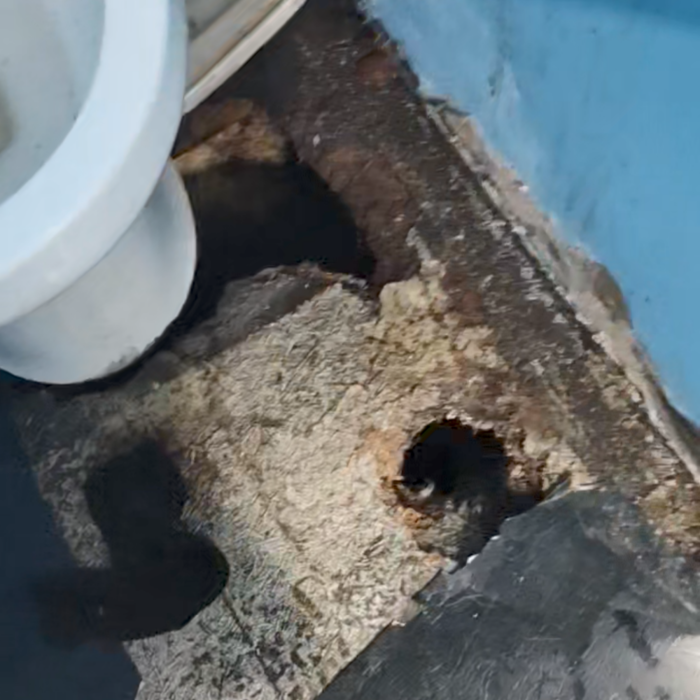
Remodeling - General Project
Before ☹️
Remodeling - General Project
After! !
Additional Photos

+5

12 neighbors recently requested a quote

Recommended by61%of homeowners
Fire Pit Installation questions, answered by experts

First, it is crucial to check your local guidelines or building codes. You should typically have one smoke detector for every floor, bedroom, and kitchen. Another rule of thumb is to install one smoke detector for every 500 feet in a home. Reviewing manufacturing recommendations, especially for interconnected devices, is also a good idea to ensure proper connection and monitoring.

The primary disadvantage of a ventless fireplace is that it doesn’t have an exterior venting system. This means that the byproducts from combustion are emitted into your home, which raises some safety concerns. In addition, ventless gas fireplaces produce moisture as they burn—and if there’s no ventilation, you could end up with a mold problem.

Generally, an oil furnace is considered safer than a gas furnace for several reasons. While both types of furnaces can produce carbon monoxide, a leak in an oil furnace is easier to detect due to the smell. Oil furnaces also don't connect to a gas pipeline, which reduces the chance of a fuel leak. Most importantly, heating oil is not combustible, whereas natural gas is highly flammable. This means there is a much lower risk of combustion or explosion with an oil furnace. However, an oil furnace can still pose a fire hazard if it tips over.

Yes, an electrical fire can start even if nothing is plugged into an outlet. While a correctly functioning outlet poses no risk, a fire can be caused by faulty wiring, damaged outlet components, an overloaded circuit, or other electrical problems hidden behind the walls. If you suspect a fault, immediately turn off the circuit breaker and contact a professional electrician to diagnose and repair the issue.

No, but they both serve distinct life-saving purposes. Smoke detectors primarily sense the presence of smoke, typically caused by a fire, and emit loud alarms to alert occupants to evacuate. In contrast, carbon monoxide detectors monitor the levels of carbon monoxide gas, an odorless and colorless but deadly substance produced by incomplete combustion of fuels. When CO levels become dangerous, CO detectors sound alarms to warn inhabitants of potential poisoning risks. 


The Lockland, OH homeowners’ guide to fire pit installation services

From average costs to expert advice, get all the answers you need to get your job done.