





Top-rated fire pit installation pros.

Get matched with top fire pit installation pros in Forest Park, OH

Enter your zip and get matched with up to 5 pros

Need a pro for your fire pit installation project in Forest Park, OH?

Select your specific project to find the pro for you.

TRUSTED BY FOREST PARK, OH HOMEOWNERS

  • Average homeowner rating star icon4.5
    Average homeowner rating
  • Verified reviews icon661
    Verified fire pit installation services reviews

Find Fire pit installation pros in Forest Park

Avatar for Tri State Complete Home Repair and Maintenance
Tri State Complete Home Repair and Maintenance
4.6(
63
)
Firepit Assembly

Serving Forest Park, OH and surrounding areas

Approved

Super Service Award Winner

In business since 1996

Free estimates

Emergency services offered

"Had to replace an ancient Jenn-Air drop-in range with downdraft (installed in 1979) with a new LG duel fuel gas stove/electric oven range slide in. Knew it would take some work. Randy and Dan were great during the installation. Tim was very responsive."
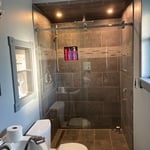
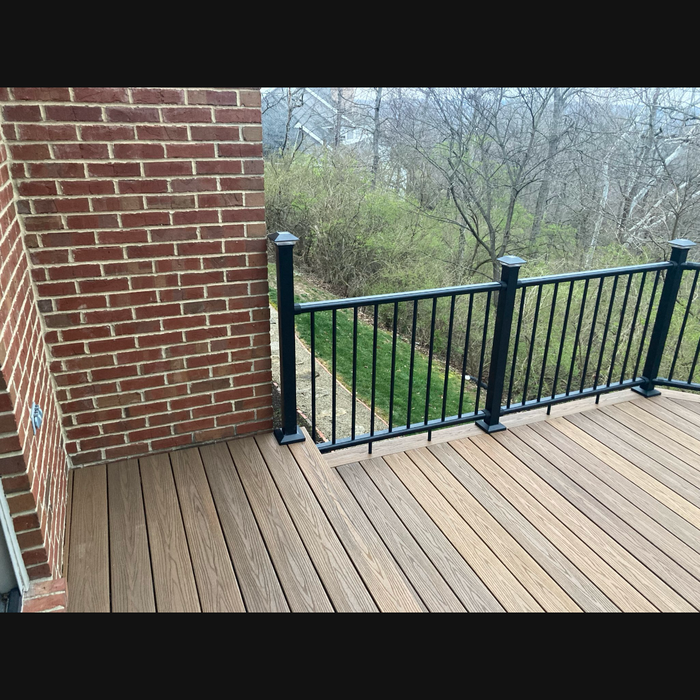
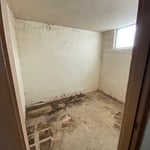
Remodeling - General Project
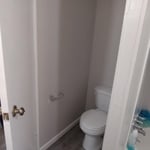
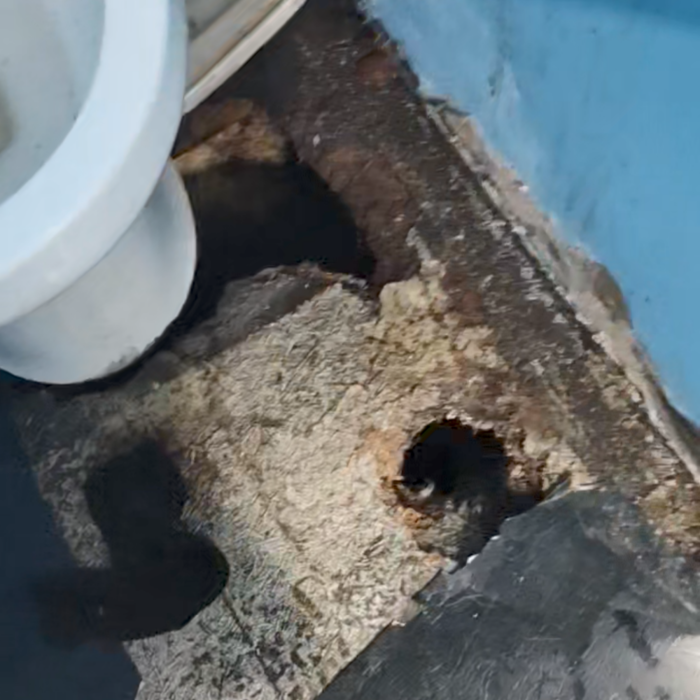
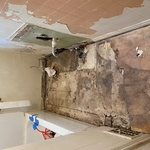
Before ☹️
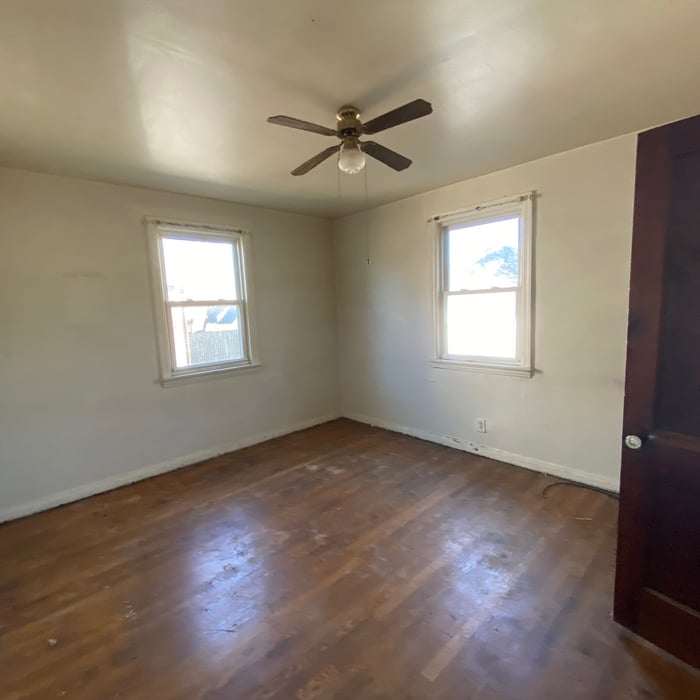
Remodeling - General Project
After! !
Additional Photos

+5

12 neighbors recently requested a quote
Recommended by58%of homeowners
Fire Pit Installation questions, answered by experts

You should have either an ABC or K-rated fire extinguisher in the kitchen. ABC fire extinguishers put out wood, trash, paper, plastic, and textile fires along with grease, oil, gas, kerosene, and electrical fires. A class K fire extinguisher is specifically rated for use in the kitchen and is designed to extinguish combustible cooking materials, including grease and fat. 

The primary disadvantage of a ventless fireplace is that it doesn’t have an exterior venting system. This means that the byproducts from combustion are emitted into your home, which raises some safety concerns. In addition, ventless gas fireplaces produce moisture as they burn—and if there’s no ventilation, you could end up with a mold problem.

Yes, a chimney damper is necessary. It controls airflow in and out of your fireplace, helping to retain heat when closed and allowing smoke to escape when open. Without a damper, your home could lose warmth during cold months, leading to higher energy bills. It also helps prevent downdrafts and keeps animals or debris from entering the chimney. In short, it’s essential for efficiency and safety.

A chimney liner isn’t required for an outdoor fireplace; you don’t technically need one if the masonry chimney uses the proper dimensions and is built to code. However, a chimney liner does serve as a protective coating for the flue. Adding a liner could improve performance, safety, and durability. In short, while not necessary, it wouldn’t hurt.

No, a chirping smoke alarm is usually a sign of an issue with the power supply of the unit. This is easily solved by replacing the battery to stop the smoke alarm from beeping. If the chirp continues, review the owner’s manual to determine the cause. These chirps are short and not as loud as the beeping of the alarm itself. If you can’t tell the difference, it’s best to treat it like an activated alarm until you find the cause. 

The Forest Park, OH homeowners’ guide to fire pit installation services

From average costs to expert advice, get all the answers you need to get your job done.