




Top-rated fire pit installation pros.

Get matched with top fire pit installation pros in Saint Bernard, OH

Enter your zip and get matched with up to 5 pros

Need a pro for your fire pit installation project in Saint Bernard, OH?

Select your specific project to find the pro for you.

TRUSTED BY SAINT BERNARD, OH HOMEOWNERS

  • Average homeowner rating star icon4.6
    Average homeowner rating
  • Verified reviews icon381
    Verified fire pit installation services reviews

Find Fire pit installation pros in Saint Bernard

Avatar for Tri State Complete Home Repair and Maintenance
Tri State Complete Home Repair and Maintenance
4.6(
63
)

Serving Saint Bernard, OH and surrounding areas

Approved

Super Service Award Winner

In business since 1996

Free estimates

Emergency services offered

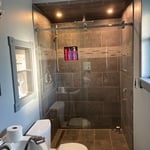
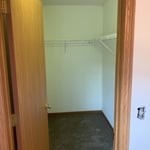
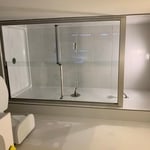
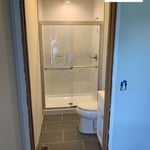
"Had to replace an ancient Jenn-Air drop-in range with downdraft (installed in 1979) with a new LG duel fuel gas stove/electric oven range slide in. Knew it would take some work. Randy and Dan were great during the installation. Tim was very responsive."
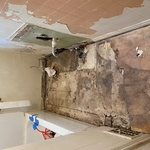
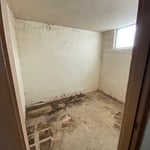
Remodeling - General Project
Before ☹️
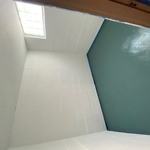
Remodeling - General Project
After! !
Additional Photos

+5

12 neighbors recently requested a quote
Recommended by58%of homeowners
Fire Pit Installation questions, answered by experts

In addition to flashing, a roof cricket can help divert water around your chimney so that it drains properly off your roof. It’s shaped like a double triangle and is installed behind the chimney so that falling water spills evenly down each side. This helps prevent water from accumulating behind your chimney, which can increase water damage and the risk of leaks. 

The International Building Code (IBC) requires cricket installation if a chimney built after 2012 measures over 30 inches in width. Chimneys constructed before that date are typically grandfathered in and aren’t required to have crickets installed.
When a carbon monoxide alarm goes off, you should always take it seriously. Infrequent and occasional chirps often point to a low battery, a faulty device, or dust buildup (this usually affects smoke detectors and not standalone CO detectors). A continuous alarm signals an emergency, and you should immediately evacuate and call 911. When it comes to carbon monoxide in your home, it’s better safe than sorry.

A spark arrestor is not the same as a chimney cap. Both sit on the top of the chimney. However, the cap keeps debris from entering the chimney, and the spark arrestor’s primary function is to prevent burning embers from escaping. Some spark arrestors are integrated into the chimney cap, and others are installed separately.

Whether or not your attic ladder needs to be fire-rated depends on your local building codes, so it’s best to check with your municipal office. However, if your ceiling meets a fire requirement, your attic ladder should as well. There are benefits of opting for a fire-rated ladder. For one, thanks to their fire-resistant material, they'll help protect your home from fire spreading from your attic, if one should break out.

No, but they both serve distinct life-saving purposes. Smoke detectors primarily sense the presence of smoke, typically caused by a fire, and emit loud alarms to alert occupants to evacuate. In contrast, carbon monoxide detectors monitor the levels of carbon monoxide gas, an odorless and colorless but deadly substance produced by incomplete combustion of fuels. When CO levels become dangerous, CO detectors sound alarms to warn inhabitants of potential poisoning risks. 

The Saint Bernard, OH homeowners’ guide to fire pit installation services

From average costs to expert advice, get all the answers you need to get your job done.