




Top-rated radon detection and reduction specialists.

Get matched with top radon detection and reduction specialists in Greenville, OH

Enter your zip and get matched with up to 5 pros

Need a pro for your radon detection and reduction project in Greenville, OH?

Select your specific project to find the pro for you.

Find Radon detection and reduction specialists in Greenville

Avatar for The Ohio Home Inspections Co
The Ohio Home Inspections Co
4.0(
7
)

Serving Greenville, OH and surrounding areas

In business since 2003

Free estimates

Credit card accepted

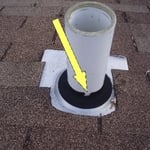
"I think they did a thorough job, however a small issue with the flashing was missed. It had been caulked which allowed water to seep through the brick. All in all, I had a good experience."
Additional Photos
Additional Photos
Recommended by71%of homeowners
Radon Detection and Reduction questions, answered by experts

The cost for a radon mitigation system typically ranges from $800 to $1,500, with an average around $1,000. The final price depends on several factors, including the size of your home, the severity of the radon issue, and the type of system required. Your home's foundation type also significantly impacts the cost. For example, sealing and ventilating an unfinished basement might cost around $4,600, while encapsulating a crawl space without a foundation slab can range from $1,500 to $15,000.

While DIY testing is possible, abatement generally requires professional installation to ensure efficacy and meet safety standards.

Ideally, no one will live in a house with elevated radon levels, as prolonged exposure increases the risk of serious health issues like lung cancer. However, homes with radon can be made safe through mitigation systems, such as active soil depressurization. Testing for radon regularly and addressing high levels helps ensure a safe living environment.

Use a radon test kit or hire professionals to conduct a detailed assessment of radon levels in your home.

The soil beneath your house is most likely what’s causing an increased level of radon. This is because soil holds radioactivity for a long time and it’s also what most buildings are built on. Another common source of radon is water from a source that hasn’t been through periodic radon tests, such as well water. Over time, the radon from the soil can inhabit other parts of your house like the foundation or plumbing.

The Greenville, OH homeowners’ guide to radon detection and reduction services

From average costs to expert advice, get all the answers you need to get your job done.