







Top-rated radon detection and reduction specialists.

Get matched with top radon detection and reduction specialists in Lynn, IN

Enter your zip and get matched with up to 5 pros

Need a pro for your radon detection and reduction project in Lynn, IN?

Select your specific project to find the pro for you.

Find Radon detection and reduction specialists in Lynn

Avatar for Air Xray
Air Xray
3.3(
111
)
Radon Gas - AbatementRadon Gas - Testing

Serving Lynn, IN and surrounding areas

Approved

In business since 2019

Free estimates

Warranties offered

"Get quote from air xray before getting your system installed. This company has unique way to install system without making hole in your wall. A little expensive but very professional and experienced in this area."

CO2
CO
Solutions
Radon
Sick Building Syndrome

+6

Response time2 days
89 neighbors recently requested a quote

Recommended by81%of homeowners
Radon Detection and Reduction questions, answered by experts

Long-term exposure increases lung cancer risks. Prolonged homestay individuals and smokers encounter heightened vulnerability and exposure concerns.

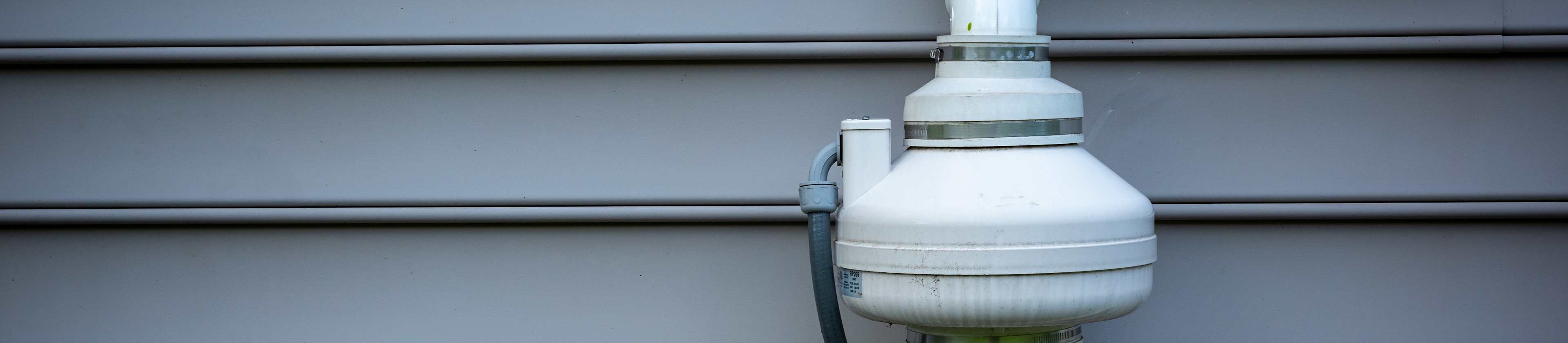
Your radon mitigation system may be loud because it’s time to replace it. Any sounds are usually from the inline fan that helps create the vacuum and resulting airflow. If you hear a new, loud mechanical or humming noise from your radon fan, it might be time to replace it. Most fans used in radon mitigation systems last up to 10 years, but may need to be replaced sooner.

There are steps you can take as a homeowner to remediate radon yourself. While a radon reduction professional can make the biggest impact in your home, you can make efforts to improve radon levels on your own by sealing cracks, increasing ventilation, and testing for radon regularly.

Radon detection is crucial as prolonged exposure to radon gas, a leading cause of lung cancer, poses significant health risks in residential environments.

Radon enters your home when warm air begins to rise and exits through the roof, creating a vacuum that pulls cooler air from under the foundation. Part of that air is radon, which is an invisible, odorless gas that develops naturally when radioactive particles are deep within the ground. Those particles usually come from decaying matter in soil and rocks.

The Lynn, IN homeowners’ guide to radon detection and reduction services

From average costs to expert advice, get all the answers you need to get your job done.