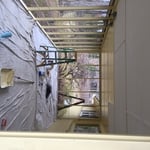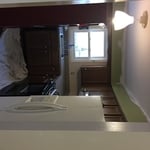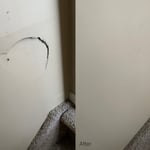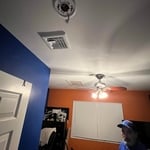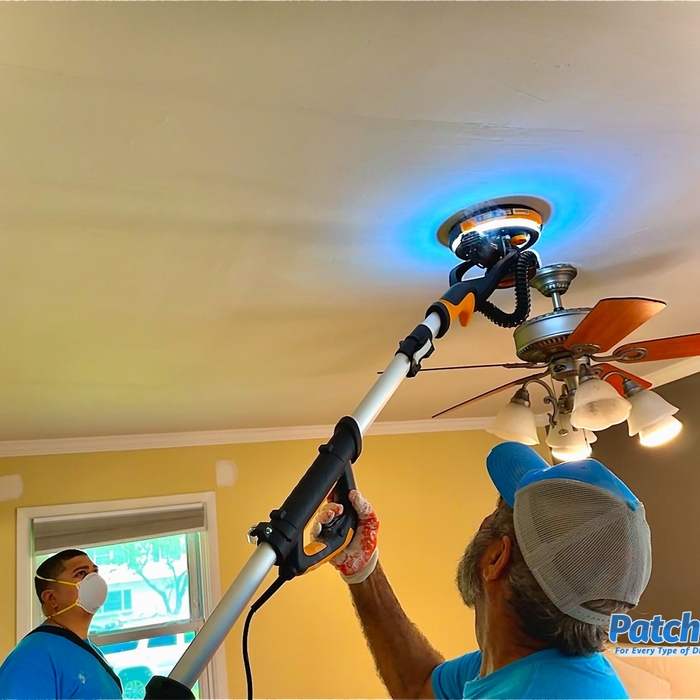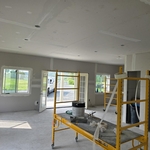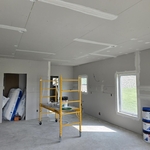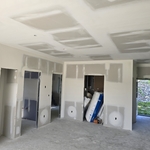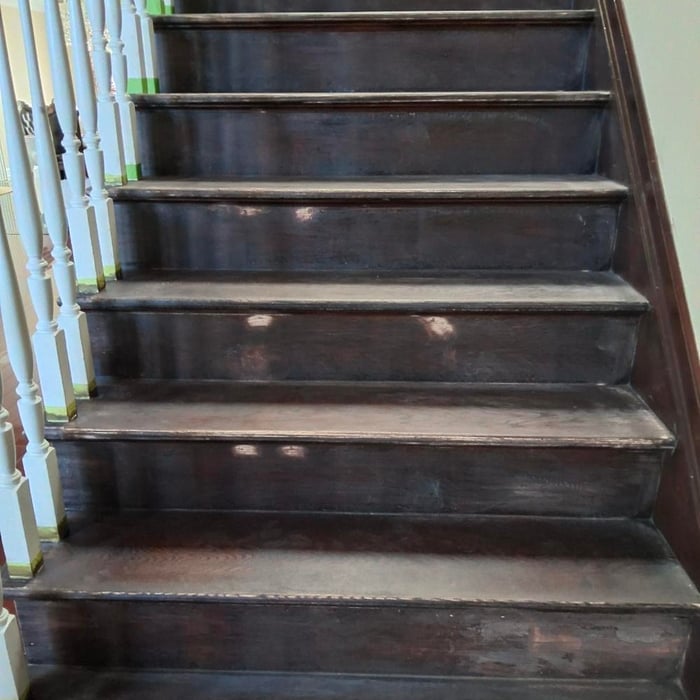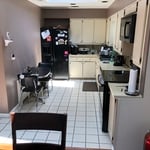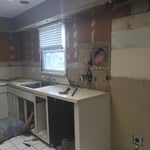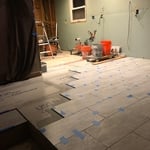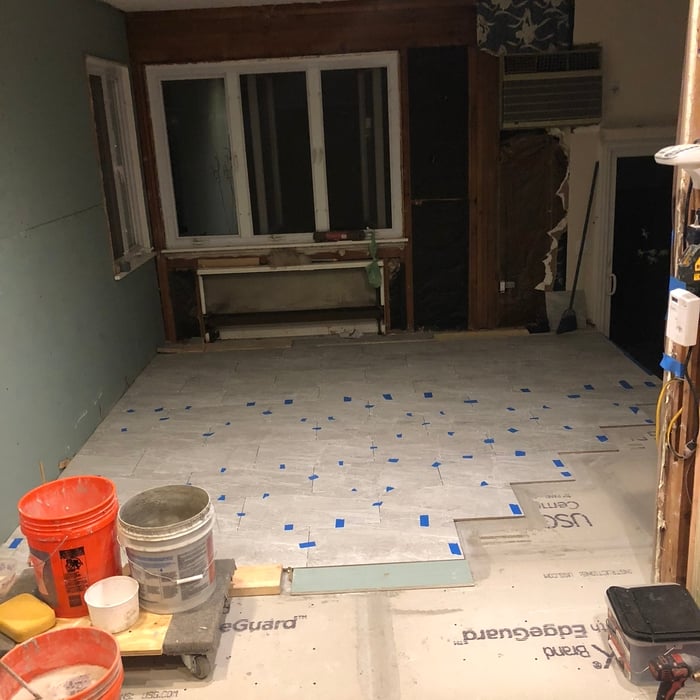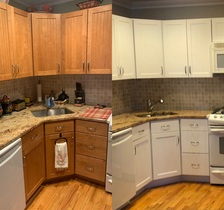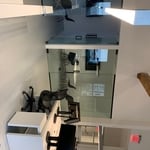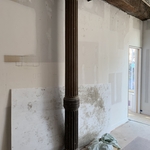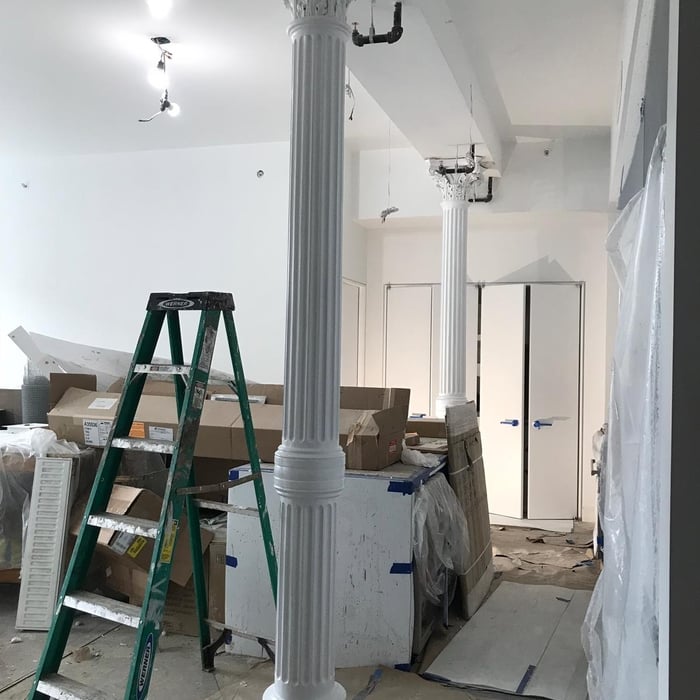


"Julio merino completed not only the drywall job I needed done, he also completed a difficult task that I spent weeks trying to find someone to accomplish. He was polite, clean, meticulous and reasonably priced. I would recommend him."
"Nino and his assistant did an impeccable Job. Clean, detail oriented, cared for areas that were not being painted. In and out in 2 day. A total pleasure to do business with them. I highly recommend them. Dealing with Mike to review the work needed to be done was a pleasure and setting the mood with the actual project."
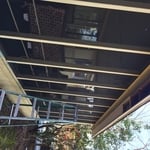
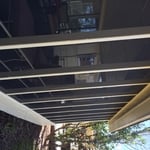
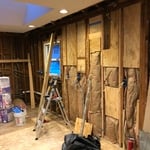
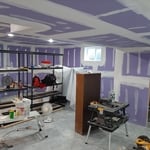
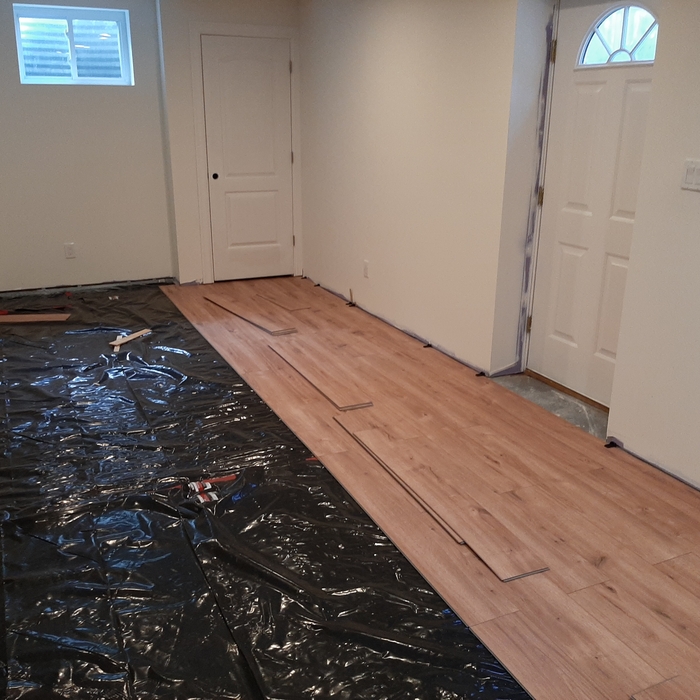
"Moises and his crew repaired water rotted wood in difficult locations and completely finished the garage to every detail from insulation to molding, as shown in pictures here. They thought of every detail that shows their pride over their work. Not only is their work top notch, but they are also easy to work with and very communicative through the whole process. I have already hired them for a second job."
"I had my bathroom updated. Needed wallpaper removed and walls painted a new vanity and medicine cabinet installed. They did a great job. Picked up all materials and cleaned up after themselves. The price was very
fair. I would highly recommend them. Oh, they also installed wainscotting.."
"Bill is a great guy to work with. Reasonably priced, quick and efficient. We will definitely hire him again for any other drywall work we may have. Thanks Bill!!!"
Plaster itself has a higher R-value than drywall. However, there are other considerations surrounding plaster and insulation. As a general rule, it's easier to obtain consistency in insulating value and quality when working with drywall rather than plaster. Plaster walls often don't contain any insulation behind the wall covering by design, and careful evaluation is necessary when choosing to add it.
There is no way to cut drywall without making dust, but you can reduce the amount of dust and especially the dangerous airborne particles by using manual cutting tools. Using a utility knife to score and snap your drywall will minimize dust production, and a jab saw for cutting cutouts for boxes and fixtures will generate almost no airborne dust. Even if you use these methods, you should still wear a respirator and safety goggles to avoid damage to your lungs and eyes.
A jigsaw is commonly used to cut holes in drywall. It offers versatility and precision, making it suitable for creating circular or irregular openings. When equipped with the right blade, a jigsaw can swiftly and cleanly cut through drywall, making it a good choice for DIY projects.
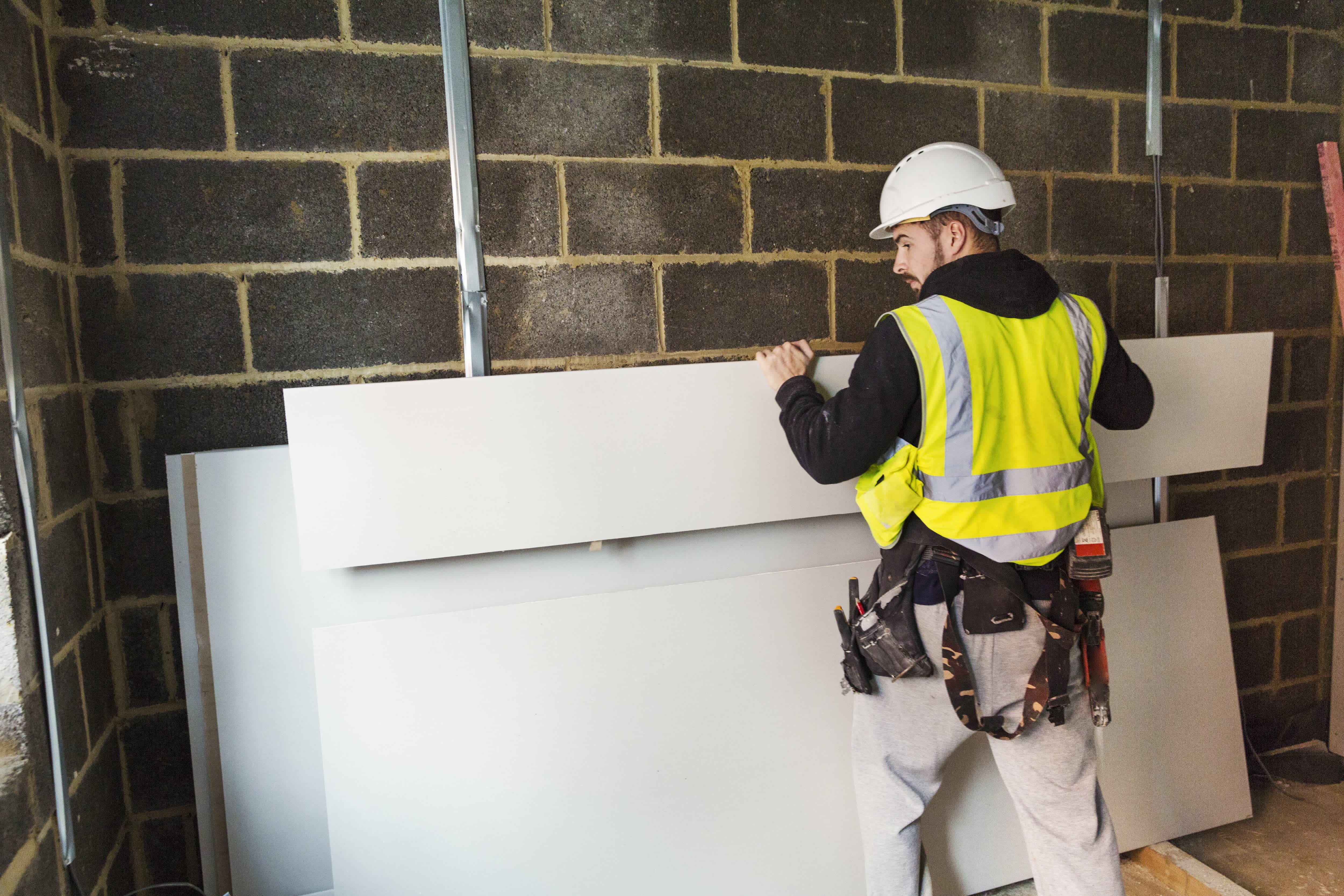
Although they have similar applications, spackle and joint compound are not the same. Their primary differences lie in their composition, consistency, and ideal use cases.
Spackle is composed of gypsum and binding agents, making it thicker than joint compound. It dries quickly and is easy to sand, which makes it ideal for small wall repair projects like filling nail holes or patching minor damage.
Joint compound, also known as drywall mud, consists of limestone and gypsum. It is primarily used for large-scale projects, such as taping and finishing the seams on newly installed drywall. It tends to shrink more than spackle and can be more difficult to spread.
While both products can be used to fill small depressions and cracks, spackle cannot replace joint compound for taping and mudding new drywall. Conversely, you can often use joint compound for small patching jobs typically done with spackle.
You can usually tell if you have plaster or drywall by touch (plaster is harder, colder, and smoother than drywall) or by tapping on it (drywall sounds hollow, plaster does not). If you still cannot tell, peek under an outlet cover and check the cut edges. The rough edges show the composition of the wall. You will see either drywall (two paper sheets sandwiching gypsum material) or only plaster material (no paper sheets).
The Plainview, NY homeowners’ guide to drywall services
From average costs to expert advice, get all the answers you need to get your job done.
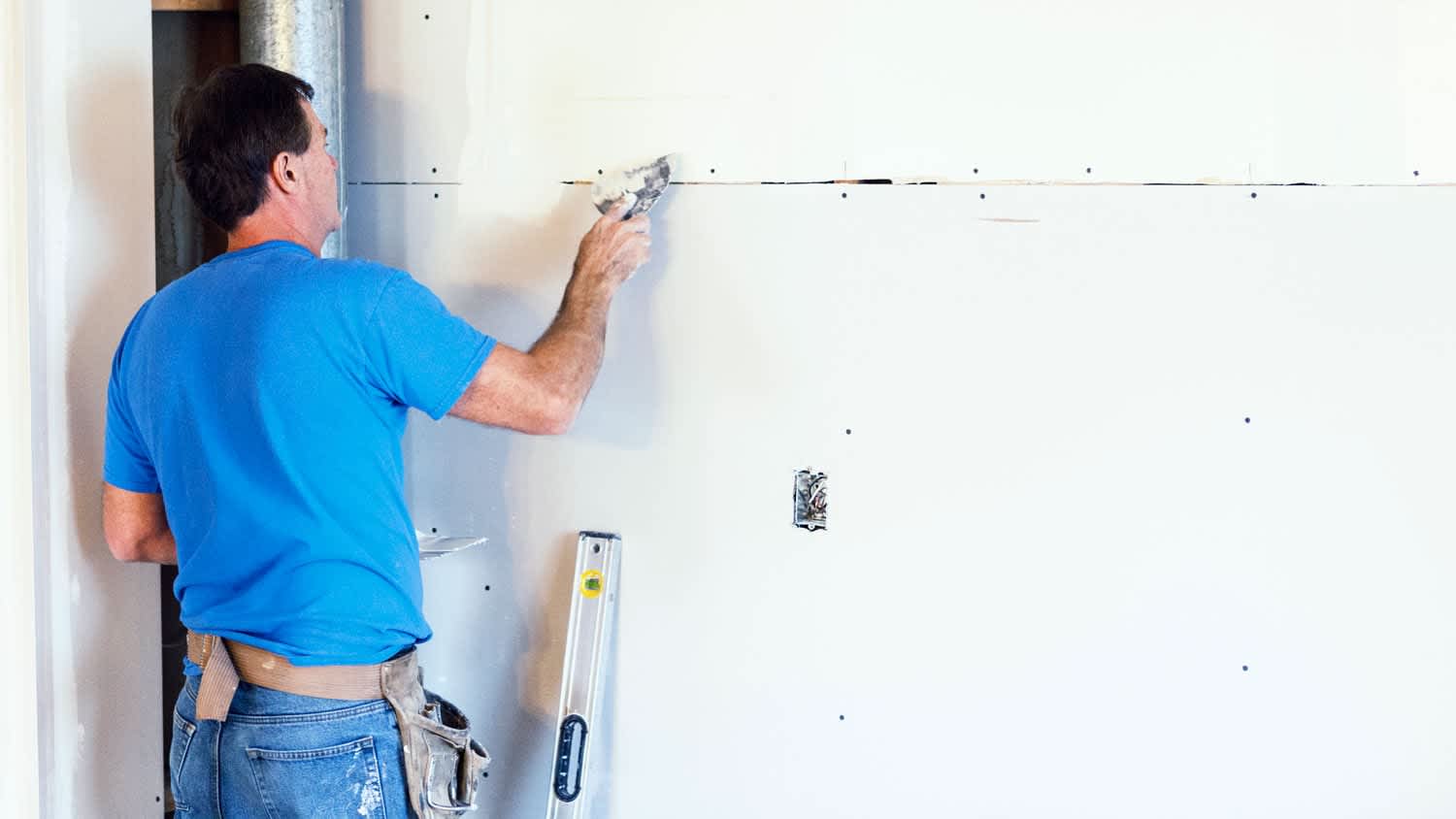
Installing drywall is the most common way to finish your home’s interior. Use this drywall installation cost guide to see what your project is likely to cost in New York, NY.
Drywall texture can create an attractive finish and add dimension to your home’s walls. This guide breaks down the factors that influence the cost to texture drywall.
Installing drywall is the most common way to finish your home’s interior. Use this drywall installation cost guide to see what your project is likely to cost.
Understanding the plaster vs. drywall debate is key to giving your home’s walls the perfect finish. Learn more about the pros, cons, and costs with our advice.
The terms drywall and Sheetrock are often used interchangeably, but one is a brand and one is a specific product. Find out which one you need in this guide.
Thick gaps and extra joint compound can alter the look of drywall. So, should drywall be butt up against a wall? Review this guide for seamless installation.