




Top-rated fencing pros.

Get matched with top fencing pros in Philadelphia, NY

Enter your zip and get matched with up to 5 pros

Need a pro for your fencing service project in Philadelphia, NY?

Select your specific project to find the pro for you.

Find Fencing pros in Philadelphia

Avatar for Odd Job Services
Odd Job Services
4.7(
45
)
Wood Fence - RepairWood Fence - Repair - For Business

Serving Philadelphia, NY and surrounding areas

Approved

In business since 2000

Free estimates

Credit card accepted

"Brian was amazing and professional. His experience enabled his to make appropriate adjustments during the project meeting my (the home owners) needs and saving me money. I strongly recommend using him and I will give Brian more of my business in the future!"
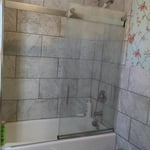
Bath tile
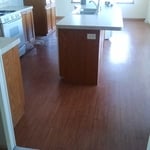
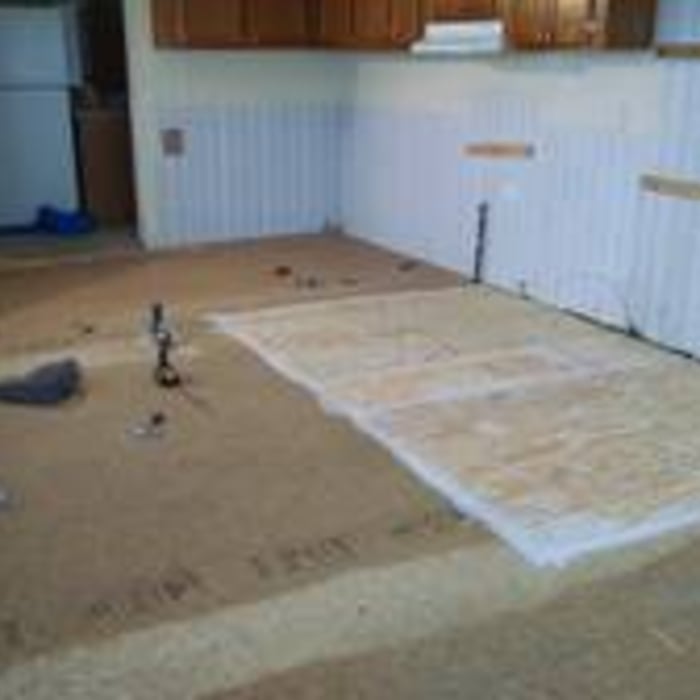
Kitchen floor repair
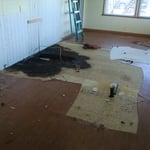
Kitchen floor repair2
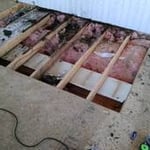
Kitchen floor repair3
Kitchen floor repair4

+3

Response time1 day
Recommended by92%of homeowners

Showing 1-10 of 42
Fencing questions, answered by experts

Vinyl and chicken wire are two of the best and most affordable materials for a DIY garden fence. Vinyl is a great option because it is cost-effective, easy to work with, and effective at keeping pests out. A vinyl fence can cost as little as $15 per linear foot, especially if you install it yourself. Chicken wire is even more budget-friendly, costing as little as $2 per linear foot. While chicken wire is more affordable, vinyl is a better choice if privacy is a concern. You can also add chicken wire on top of a vinyl fence for extra security.

The decision to add a dog fence to your property depends on several factors. A fence can be a good investment for pet safety, particularly in areas with hazards like busy roads. It helps contain dogs prone to roaming or those with a powerful hunting instinct, It also prevents accidents and neighborly disputes if your pet likes to venture onto their property. Also, by installing a traditional fence, you will also gain privacy. Some local regulations may also require homeowners with dogs to install a fence.
Ideally, your concrete should set slightly above ground at an angle sloping away from the fence post. This will add extra support and allow water to run away from the wood fence post. Keeping water out will help prevent wood rot. Additionally, you can add soil on top of the concrete for a seamless finish. 

Post depth for shadowbox fences should be at least two feet deep plus an additional foot for every foot of fence height above four feet. For a standard six-foot fence, this means a minimum depth of 3 feet. This depth helps to protect the structural integrity of your fence in the face of wind, soil movement, and seasonal ground shifts

Privacy fences in residential neighborhoods tend to stand between 6 and 8 feet tall, but local building code usually dictates the maximum height. Livestock fences that border large land plots range from 3 to 6 feet. Shorter, decorative fences, which are common in front yards, are around 3 feet tall, on average. Fence height also tends to vary by material, with wood fences usually sitting at 6 feet tall, and chain-link and wrought iron fences tending to sit at half that.

The Philadelphia, NY homeowners’ guide to fencing services

From average costs to expert advice, get all the answers you need to get your job done.