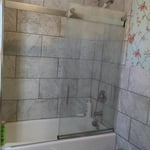
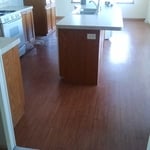
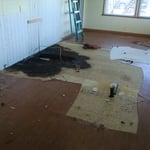
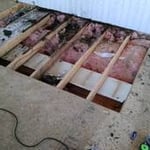
"Brian was amazing and professional. His experience enabled his to make appropriate adjustments during the project meeting my (the home owners) needs and saving me money. I strongly recommend using him and I will give Brian more of my business in the future!"
"A&T were very professional and did great work! Were willing to come on short notice and yet still produce a great cut! Highly recommend this company!"
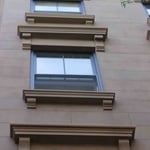
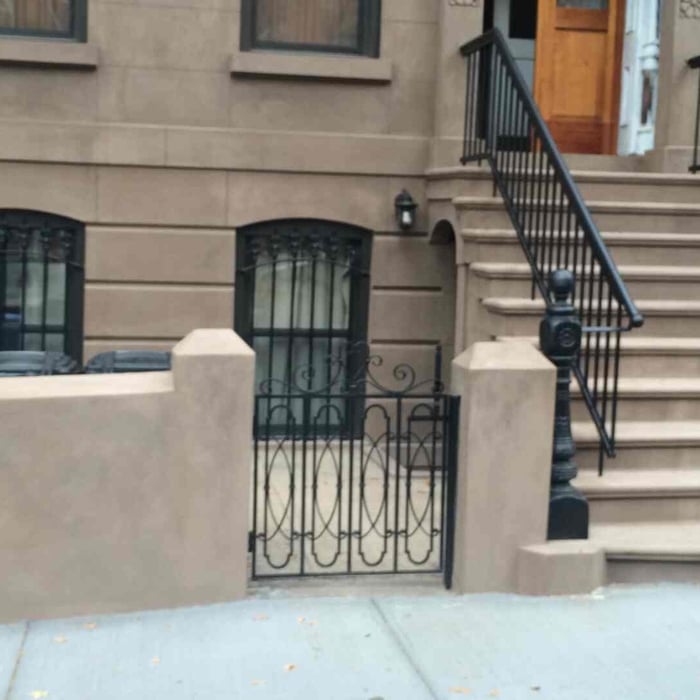
"We shopped and spoke with many "facade restoration experts" before choosing to work with High Tech and we are so glad we did our research. Shaiful was by far the most knowledgeable contractor we spoke with and made us feel confident that he was capable of solving our issues. When it was clear that there was no saving our original cornice, he offered up more than one suitable way forward. We decide to let his crew re-create the original piece from stone. The work they did left us with a beautiful and artistic facade the functions well in collecting rain water from the roof. The crew was respectful, clean and on time. They went above and beyond all of our expectations in touching up every minor detail so that the whole front of the house was left looking brand new. We could not be happier. Our home looks better than we could have imagined. I recommend High Tech Construction with no hesitation. "
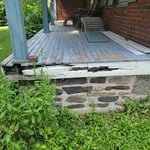
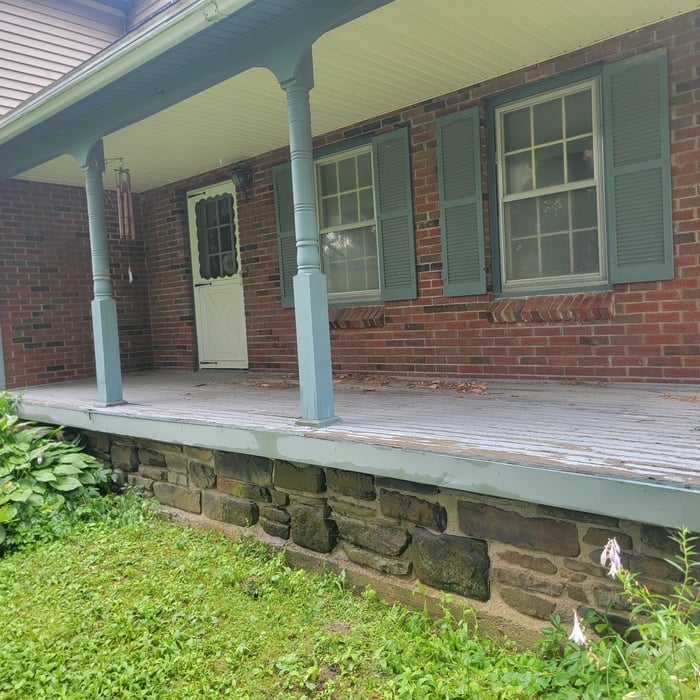
"Our whole deck needed replacing and he did a wonderful job replacing it. I would recommend him to anyone who needs work to be done. Great Job Noah Thank You So Much."
North Country Fencing, provides our customers with the best quality and craftsmanship. We are here to build relationships with our customers and communities and to provide our employees with a great place to work. North Country Fencing, is a leader in providing our customers with the highest quality products and craftsmanship in an honest, efficient, and professional way. Our pledge is to create successful relationships with our customers, employees and community by building trust, treating every project with the utmost integrity and exceeding expectations. We look forward to working with you!
A board on board fence is more expensive than other types of privacy fences. That’s because these fences require overlapping boards, which drives up material and labor costs. On average, a board on board fence costs 30% more than an average wood fence.
When deciding to replace or repair your existing fence, consider the 20% rule that fence builders reference. This rule states that if more than 20% of your fence needs repair, you should skip the repair and replace it. Additionally, if your fence is nearing the end of its life, it's often best to replace it.
Repairing the fence is a good option when you have minimal damage or damage from a specific event versus wear and tear. Your fence repair professional can assess the damage and compare the repair price with the cost of a new fence.
You can only change your neighbor's fence with their permission. A neighbor's fence is their property, and altering it without their consent could constitute trespassing or property damage, which may have legal consequences. If you have concerns or disagreements about your neighbor's fence, communicate with them openly and try to reach a mutually agreeable solution. If you believe the fence violates local zoning laws or property regulations, consult with local authorities or seek legal advice to address the issue through proper channels.
A wrought iron fence is generally considered a worthwhile investment, provided the cost fits your budget and its characteristics meet your needs. While it is an expensive material, its exceptional durability and longevity mean you can save money over time by not having to replace it.
Key benefits include:
Durability and Security: Wrought iron is strong and provides excellent security for your home.
Longevity: With proper maintenance, it can last a lifetime or longer.
Aesthetics: It offers a classy, timeless, and elegant look that can boost your home's curb appeal and property value, especially when complementing brick or stone architecture.
However, it's important to note that wrought iron fencing does not offer much privacy. If professionally installed and maintained, it is a sound long-term investment.
Most homeowners who install a wrought iron fence do so because it provides security. The material is sturdy and deters intruders from entering your property. They're also built to last and won't rust if you purchase a galvanized iron fence. So, you don't have to worry about replacing fencing every few years like you might with wood or other less expensive materials. Most homeowners also adore the look of wrought iron fencing, which adds a timeless look to just about any style home.
The Hounsfield, NY homeowners’ guide to fencing services
From average costs to expert advice, get all the answers you need to get your job done.
Chain-link fences are among the most affordable options available. Use this chain link fence cost guide to see what your fence installation will total.
Fence repair costs depend on the extent of damage, your fence's material, and how much of the fence you need to fix. Explore all the price factors in this guide.