
Top-rated fencing pros.

Get matched with top fencing pros in Copenhagen, NY

Enter your zip and get matched with up to 5 pros

Need a pro for your fencing service project in Copenhagen, NY?

Select your specific project to find the pro for you.

Find Fencing pros in Copenhagen

Avatar for Odd Job Services
Odd Job Services
4.7(
45
)
Wood Fence - RepairWood Fence - Repair - For Business

Serving Copenhagen, NY and surrounding areas

Approved

In business since 2000

Free estimates

Credit card accepted

"Brian was amazing and professional. His experience enabled his to make appropriate adjustments during the project meeting my (the home owners) needs and saving me money. I strongly recommend using him and I will give Brian more of my business in the future!"
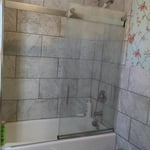
Bath tile
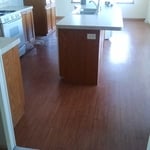
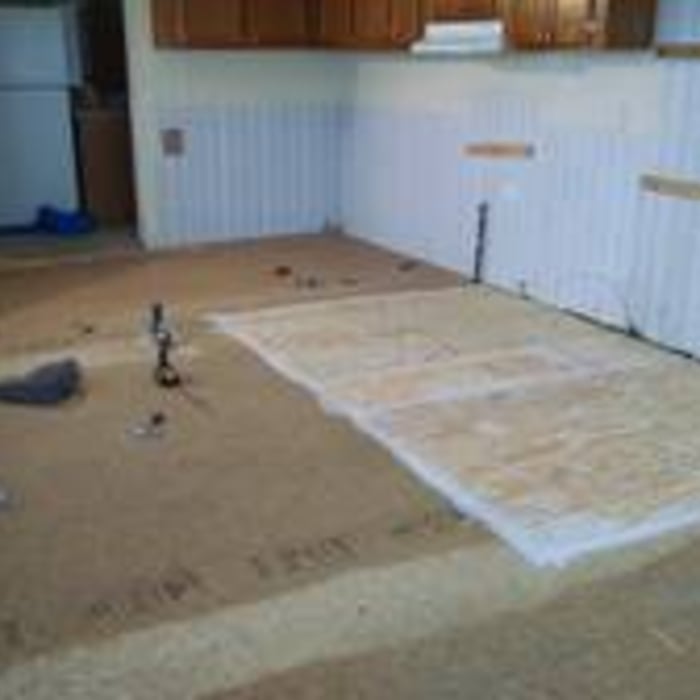
Kitchen floor repair
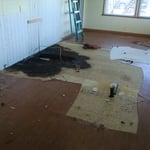
Kitchen floor repair2
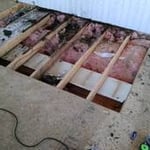
Kitchen floor repair3
Kitchen floor repair4

+3

Response time1 day
Recommended by92%of homeowners
Showing 1-10 of 33
Fencing questions, answered by experts

The most common hog wire gauge for a fence is 12.5. However, you can choose from a few gauges based on your needs. While 12.5 is a reliable gauge for penning in large, strong animals, 9 gauge is a better option of you have large animals that are easily spooked, such as horses. For smaller animals, like dogs or pigs, you can use a 16 gauge hog wire.

Both nails and screws are common in fence construction, including on pickets. Some builders prefer to use nails when connecting the pickets to the rails and screws when connecting the rails to the posts. However, the best option usually depends on the type of wood fencing and the variety of wood you choose.
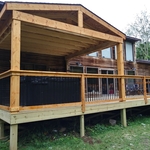
You’ve likely been considering lots of wood fence ideas for your yard. There are many reasons why people choose split rail fences time and again. For one, they’re one of the most wallet-friendly fencing options, especially since you don’t need to use much hardware and setting the posts doesn’t require concrete or foam. So if you have a large property and want to fence it in, your best bet may be a split rail fence.

There is no best color for a vinyl fence, as it truly depends on a homeowner’s aesthetic preference. Classic white is the most popular and widely available of all the vinyl fence colors. However, contemporary black, warm browns, and natural grays are becoming more mainstream. One perk of darker-colored fences is that they are easier to “keep clean,” as in, dirt and debris don’t show up as easily as they would on lighter-colored fences. So if you don’t plan to give your fence regular washings, a dark color like black, gray, or brown would be the best choice.

Whether you need a permit to build or install a fence depends on several factors, including your location, the fence's height, its placement in your yard, and the materials used. In many cities and highly populated areas, a permit is required, especially for fences taller than 6 feet. Conversely, rural areas may have fewer restrictions. Typically, backyard privacy fences 6 feet or shorter do not require a permit, while front yard fences often have a lower height limit, sometimes as low as 3.5 feet. There can also be exceptions for properties in mixed residential-commercial zones. It's best to check with your local building inspection or zoning department to understand the specific requirements, height restrictions, and location rules for your area. A professional fence installer can help you navigate this process and often secure the necessary permits for you, though this may extend the project timeline.

The Copenhagen, NY homeowners’ guide to fencing services

From average costs to expert advice, get all the answers you need to get your job done.