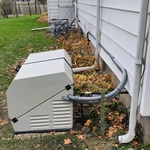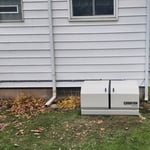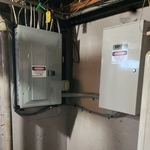




Top-rated generator install pros.

Get matched with top generator install pros in Franklin, NY

Enter your zip and get matched with up to 5 pros

Need a pro for your generator install project in Franklin, NY?

Select your specific project to find the pro for you.

Find Generator install pros in Franklin

Avatar for KWD Electric Inc
KWD Electric Inc
4.5(
46
)
Fixed Generator - InstallFixed Generator - RepairGenerator - Install+4 more

Serving Franklin, NY and surrounding areas

In business since 2006

Free estimates

Emergency services offered

"Pleasure to work with on recessed lighting install. Ken was responsive to questions and time changes via email/phone. We removed the old lighting, did some of the recessed lighting layout, and obtained the materials (he reviewed to make sure it was OK). His installation and electrical work was handled professionally and on schedule. Any adjustments were reviewed with me as a courtesy. We thought the price was fair for the work done. Nice job."
Additional Photos
Additional Photos
Additional Photos
Additional Photos
Additional Photos

+15

Recommended by97%of homeowners
Avatar for Ironarc Electrical & Construction
Ironarc Electrical & Construction
5.0(
2
)
Fixed Generator - InstallFixed Generator - RepairPortable Generator - Install+1 more

Serving Franklin, NY and surrounding areas

Free estimates

Emergency services offered

Warranties offered

Electrician | Residential & Commercial | Full-Service General Contracting & Excavating \n\n?Experience You Can Trust. Power You Can Rely On.\n\n?Are you looking for more than just a wire-puller? As a Master Electrician with a background in excavating and full-scale construction, I provide a seamless, "start-to-finish" approach to your projects. Whether you're building from the ground up, upgrading your business, or facing a midnight electrical emergency, my team delivers with precision, speed, and full licensing and insurance.\n\n?Why Choose Us?\n\n?Most electrical contractors stop at the wall. We don?t. Because we specialize in excavating and construction, we handle underground trenching, service entrance setups, and site prep in-house. This means fewer subcontractors for you to manage and a faster path to completion.\n\n?Our Specialized Services\n\n?Residential & Commercial: New construction, remodels, and historical retrofits.\n\n?EV Charging Stations: Professional installation for homes and commercial fleets.

Electrical
Electrical
Showing 1-10 of 19
Generator Install questions, answered by experts

Here’s what you can run with different wattages and types of generators:

Portable generator:

  • 2,000 watts can handle a large appliance like a freezer or refrigerator, plus a few smaller items like phones or computer chargers. 

  • 4,000 watts will keep two large appliances operating and a few smaller devices.

  • 8,000 watts should power most essential appliances and other devices, including a sump pump, well pump, or your dishwasher.

Partial to whole-house generator:

  • 20,000 watts and above will make it seem like your home’s power is still on.

If your home already has a grinder pump and you’re still noticing issues (like frequently clogged toilets and sinks), it could be time to upgrade your grinder pump. Start by checking your existing horsepower. If there are four or fewer people living in your home, using a 1/2-horsepower grinder pump should be sufficient. Larger households should consider investing in a 1-horsepower grinder pump to maximize wastewater removal efforts.

Whole-house generators need to be installed on level ground several feet away from walls and other objects. Because they tap into the electrical system directly, they usually need to be close to your home electrical panel for a transfer switch installation. It also helps with installation if they are near to a gas line or propane tank installation.

Energy output depends on turbine size, average wind speed at your site, and system efficiency. A 5 kW turbine in a good wind location can generate 8,000 to 12,000 kilowatt-hours per year, which may cover a large portion of an average home’s needs. Accurate output estimates require a professional wind assessment and a review of your household’s energy usage patterns.

To determine the right size generator for your house, you should calculate the total wattage of the appliances and devices you want to power during an outage. List all essential items, note their start-up wattages, and add them together.

Here are some typical wattage requirements for common appliances:

  • Refrigerator: 600 watts

  • Large dehumidifier: 700 watts

  • Large window air conditioner: 1,400 watts

  • Water heater: 3,000 to 4,500 watts

  • Electric furnace: 5,000 to 25,000 watts

A 7,500-watt generator might be sufficient for essentials like a refrigerator, freezer, well pump, and lighting circuits. However, for high-demand items like a water heater or furnace, a whole-home generator is a better choice. A portable generator may be enough if you only need to power a few critical items.

While home square footage can offer a rough estimate, it is not always a reliable indicator. For reference, here are some typical generator sizes based on square footage:

  • 1,000 sq ft: 6–9 kW

  • 1,500 sq ft: 7–10 kW

  • 2,000 sq ft: 10–14 kW

  • 2,500 sq ft: 12–16 kW

  • 3,000 sq ft: 16–20 kW+

For the most accurate sizing, consult a professional who can calculate your home's peak and average power consumption and recommend the optimal generator.

The Franklin, NY homeowners’ guide to generator installs

From average costs to expert advice, get all the answers you need to get your job done.