





Top-rated generator install pros.

Get matched with top generator install pros in Jefferson, NY

Enter your zip and get matched with up to 5 pros

Need a pro for your generator install project in Jefferson, NY?

Select your specific project to find the pro for you.

Find Generator install pros in Jefferson

Avatar for Hurricane Home Solutions, Inc.
Hurricane Home Solutions, Inc.
4.5(
6
)
Fixed Generator - InstallGenerator - InstallGenerator - Install - For Business

Serving Jefferson, NY and surrounding areas

Approved

In business since 2019

Free estimates

Emergency services offered

Hurricane Generators keeps your home powered—no matter what the storm brings. We specialize in selling, installing, and maintaining premium home standby generators from trusted brands like Generac, Cummins, and Champion. Whether it’s a hurricane, ice storm, or unexpected outage, we make sure your lights stay on, your appliances run, and your family stays safe.\n\nFrom the moment you call, our experts guide you through every step—helping you choose the perfect generator, delivering a clean, professional installation, and providing ongoing service to keep it running flawlessly year after year. With fast response times and flexible maintenance plans, you can rest easy knowing your backup power is always ready.\n\nAt Hurricane Generators, we don’t just install equipment—we deliver peace of mind. When the power goes out, you won’t skip a beat.

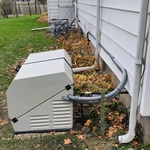
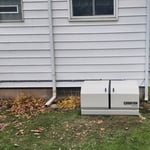
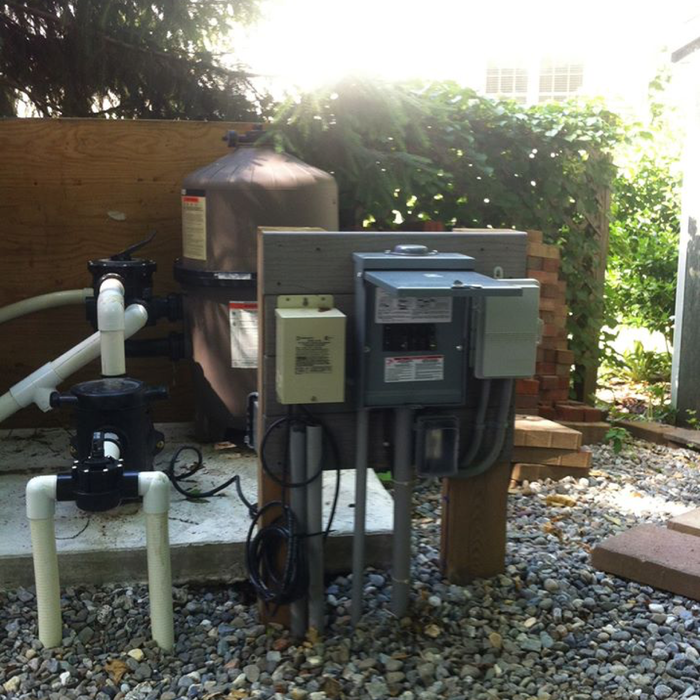
One of the great things about this generator is the perfect square form factor, which fits nicely in most yards.
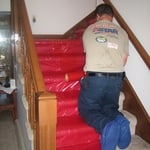
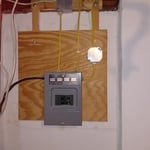
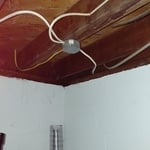
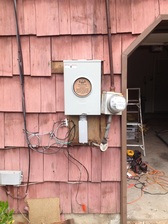
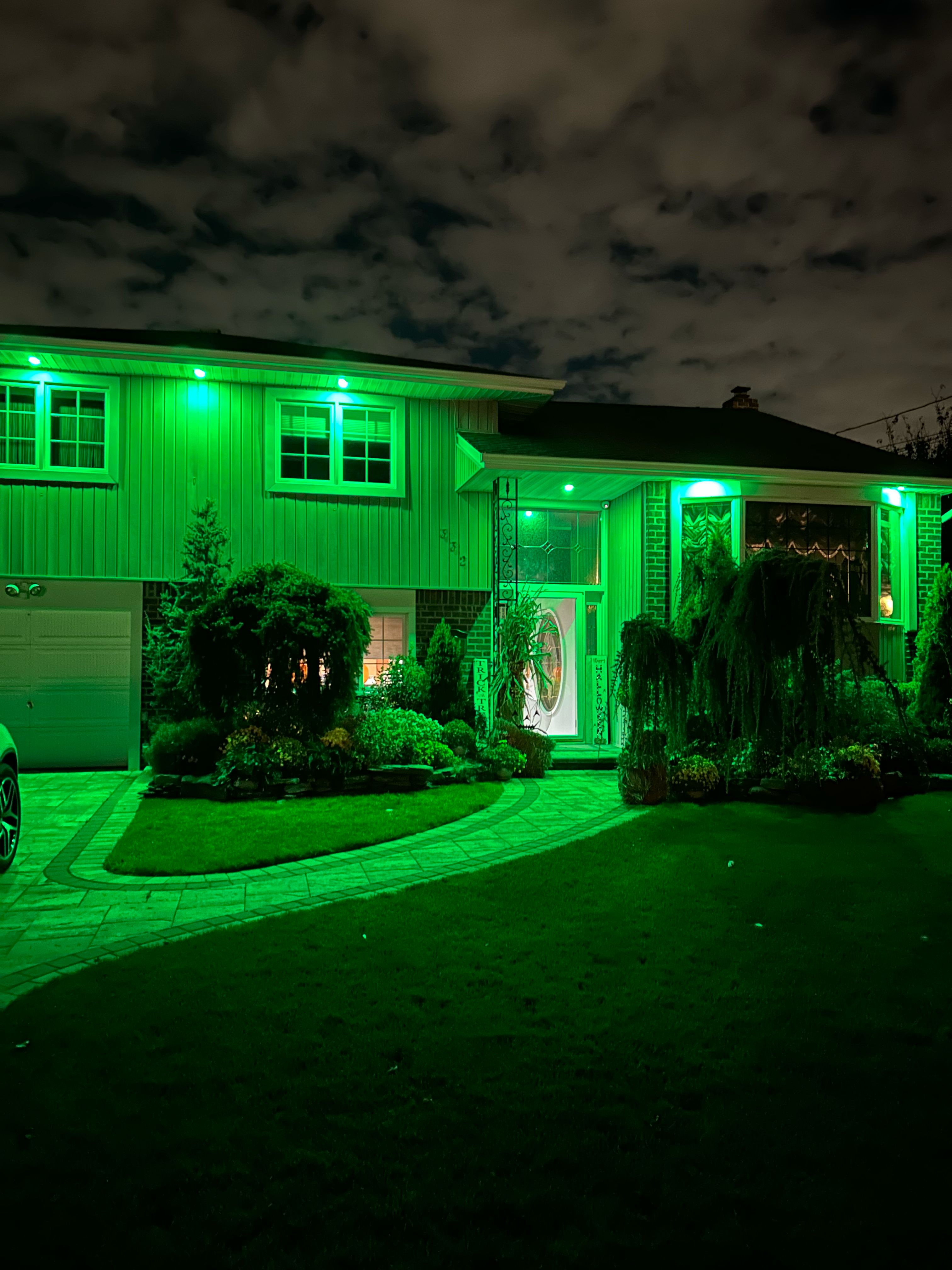
The Hurricane Crew is just wrapping a new installation
Additional Photos
Additional Photos
Additional Photos

+3

Response time1 day
Response rate100%
24 neighbors recently requested a quote
Avatar for Ironarc Electrical & Construction
Ironarc Electrical & Construction
5.0(
2
)
Fixed Generator - InstallFixed Generator - RepairPortable Generator - Install+1 more

Serving Jefferson, NY and surrounding areas

Free estimates

Emergency services offered

Warranties offered

Electrician | Residential & Commercial | Full-Service General Contracting & Excavating \n\n?Experience You Can Trust. Power You Can Rely On.\n\n?Are you looking for more than just a wire-puller? As a Master Electrician with a background in excavating and full-scale construction, I provide a seamless, "start-to-finish" approach to your projects. Whether you're building from the ground up, upgrading your business, or facing a midnight electrical emergency, my team delivers with precision, speed, and full licensing and insurance.\n\n?Why Choose Us?\n\n?Most electrical contractors stop at the wall. We don?t. Because we specialize in excavating and construction, we handle underground trenching, service entrance setups, and site prep in-house. This means fewer subcontractors for you to manage and a faster path to completion.\n\n?Our Specialized Services\n\n?Residential & Commercial: New construction, remodels, and historical retrofits.\n\n?EV Charging Stations: Professional installation for homes and commercial fleets.

Electrical
Electrical
Showing 1-10 of 14
Generator Install questions, answered by experts

As a safety measure, you should always turn off the main breaker while operating your generator’s backup breaker. In addition, you should also switch off all appliance breakers so you don't have a power surge when the main breaker turns back on. And finally, turning off the main breaker prevents back-feeding, which endangers utility workers with the risk of electrocution. Back-feeding could also destroy the electrical circuits of your neighbors if they use the same power network.

The amount of time a standby generator can run continuously is around 3,000 hours on average. However, standby generators can generally run indefinitely as long as they have a continuous fuel supply. Generators hooked up to a home’s natural gas supply are the best option for extended usage, as these won’t rely on a finite fuel supply based on how much you have in storage. Generators running on liquid propane or diesel won’t last as long, as these require fuel storage and regular refueling to stay running.

Yes, in most municipalities, you will need a permit to install a permanent home generator, including emergency backup, partial-home, and whole-home models. Because these installations involve significant alterations to your home's electrical system and produce exhaust fumes, local governments often require a permit or inspection for safety purposes. A generator permit typically costs between $50 and $250, depending on your location. Your electrician or certified installer can usually handle the permitting process for you, but you will be responsible for the cost. It's a good practice to confirm with your installer that they will pull all necessary permits before work begins.

You may need a permit for a portable generator if you’ll be installing a transfer switch for your primary residence or similar work. Otherwise, a permit for other uses may not be necessary. Check your local building codes or ask a local generator installer for more information about your local regulations.

To determine the right size generator for your house, you should calculate the total wattage of the appliances and devices you want to power during an outage. List all essential items, note their start-up wattages, and add them together.

Here are some typical wattage requirements for common appliances:

  • Refrigerator: 600 watts

  • Large dehumidifier: 700 watts

  • Large window air conditioner: 1,400 watts

  • Water heater: 3,000 to 4,500 watts

  • Electric furnace: 5,000 to 25,000 watts

A 7,500-watt generator might be sufficient for essentials like a refrigerator, freezer, well pump, and lighting circuits. However, for high-demand items like a water heater or furnace, a whole-home generator is a better choice. A portable generator may be enough if you only need to power a few critical items.

While home square footage can offer a rough estimate, it is not always a reliable indicator. For reference, here are some typical generator sizes based on square footage:

  • 1,000 sq ft: 6–9 kW

  • 1,500 sq ft: 7–10 kW

  • 2,000 sq ft: 10–14 kW

  • 2,500 sq ft: 12–16 kW

  • 3,000 sq ft: 16–20 kW+

For the most accurate sizing, consult a professional who can calculate your home's peak and average power consumption and recommend the optimal generator.

The Jefferson, NY homeowners’ guide to generator installs

From average costs to expert advice, get all the answers you need to get your job done.