






Top-rated paving pros.

Get matched with top paving pros in Batavia, NY

Enter your zip and get matched with up to 5 pros

Need a pro for your paving service project in Batavia, NY?

Select your specific project to find the pro for you.

Find Paving pros in Batavia

Avatar for Brick and Brushed LLC
Brick and Brushed LLC
New to Angi
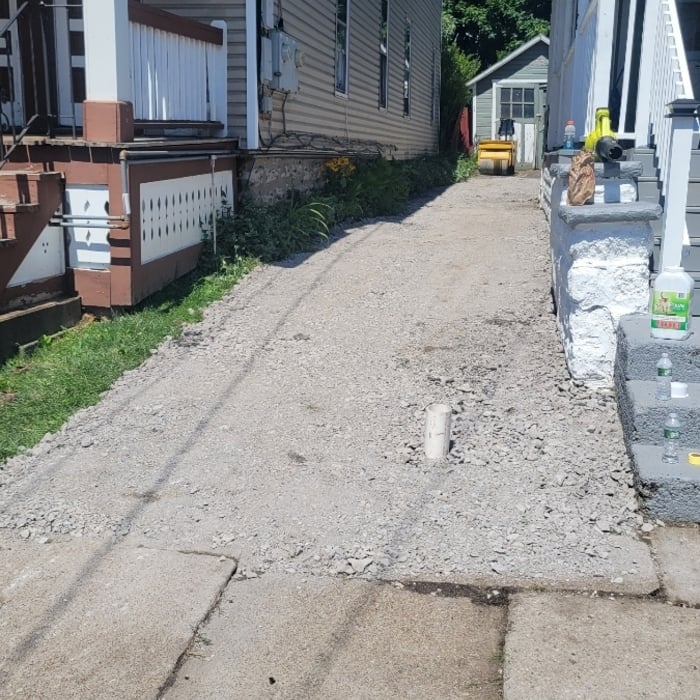
Interlocking Pavers for Patios, Walks & Steps - Install

Serving Batavia, NY and surrounding areas

Approved

Free estimates

Offers commercial services

We take great pride in our experience, expertise, quality and customer service that we provide to meet your needs. It is our mission to provide excellent workmanship and complete customer satisfaction from start to completion of a project. In order to understand the needs and expectations of our customers, we take great care to work and communicate with every customer a professional manner. Our reputation is based on service, safety and quality, regardless of how large or small the job.

1 neighbors recently requested a quote
Avatar for KHAM Enterprises
KHAM Enterprises
5.0(
7
)
Gravel or Loose Fill Paving - Install, Spread or ScrapeInterlocking Pavers for Patios, Walks & Steps - Install

Serving Batavia, NY and surrounding areas

In business since 2016

Free estimates

Credit card accepted

At KHAM Enterprises, it is our goal to become your long-term partner in property care and ongoing improvements to your property. It is ingrained in our business model that we view all of our clients as partners that both seek beneficial success in business through the improvement of what we own. We hope you never view us as simply contractors — we instead strive to be a dependable partner you can rely on when you need issues and necessities of your home or business improved and maintained.

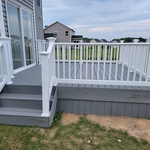
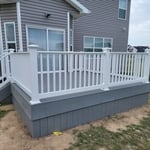
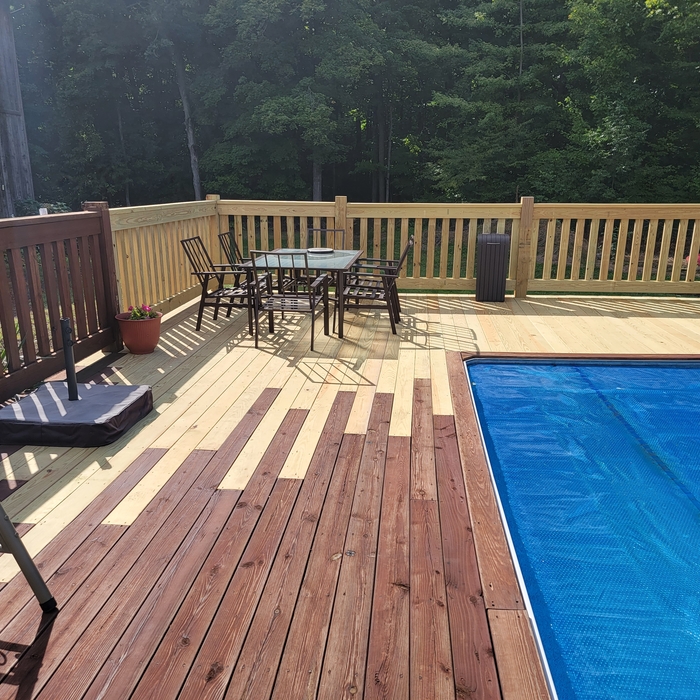
Decks & Porches Project
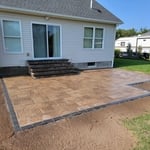
Patios Project
Decks & Porches Project
Patios Project
Additional Photos

+8

Recommended by100%of homeowners
Showing 1-10 of 35
Paving Services questions, answered by experts

The recommended minimum amount for a paver base is 4 inches. From there, it depends on the kind of traffic the pavers will see and the current soil conditions. Two inches of paver base won’t create the amount of stability and support that pavers need to remain securely in place over time.

There’s no single best asphalt grade—it all comes down to where and how it’s used. Highways and heavy-traffic roads need something tough, like polymer-modified asphalt (PMA) or Stone Matrix Asphalt (SMA). Local roads and parking lots rely on the Performance Graded (PG) system, chosen based on climate. A PG 64-28 mix, for example, handles a broad temperature range while simpler, more cost-effective mixes are typically enough for residential driveways. The best grade of asphalt depends on traffic, weather, and your budget, which is why a professional’s input is always a smart move before making a decision.

In most cases, driveway repair is worth the investment. Your driveway is one of the first things people see when they look at your home, so repairing cracks, chips, and potholes can improve your home’s curb appeal and overall value. Repairing your driveway is also almost always more affordable than replacing it entirely—an average of $1,765 compared to the cost of replacing a driveway, which typically costs around $5,000.

The answer to whether or not you need to get a permit before you start your driveway can vary widely based on local ordinances and the scope of your driveway ideas. In most urban and suburban areas, a permit is needed before building a new driveway to ensure that a homeowner is using safe materials and proper drainage practices while designing and constructing a new driveway. In some rural areas, a homeowner may not be required to apply for a permit. When building a new driveway on your own, always check with your local building department to see if you need to request a permit. When hiring a driveway contractor, verify that the right permits are being used before driveway construction begins.

The ideal distance between stepping stones depends on your design preference. A general rule is to place them about 24 inches apart from center to center to match an average person's stride. Another common approach is to leave about 6 inches of space between the edges of each stone; this can be adjusted to fit the path's total length without cutting pavers. If you plan to plant between the stones, leave at least 6 to 8 inches of space to give the plants room to grow.

The Batavia, NY homeowners’ guide to paving services

From average costs to expert advice, get all the answers you need to get your job done.