"The tech was very knowledgeable and went above and beyond to satisfy us. Our faucet was broken would not attach to the sink as the copper seal broke to the water lines."
"One oven doesn't work at all ( my choice, see above), the "working" oven was never calibrated properly so using it is hit or miss. It's time to call American Home Shield to see about replacing the entire unit. I'm waiting to finish other home projects before calling them. I don't know if I'll request Greenway again."
Plumbing service and repair,water heaters, water softeners, recipes, remodels.We guarantee your satisfaction and we won’t leave until the job is done right. We pride ourselves on the quality work we provide, while delivering great customer service! Check out our services offered and call or click to schedule a free estimate today.
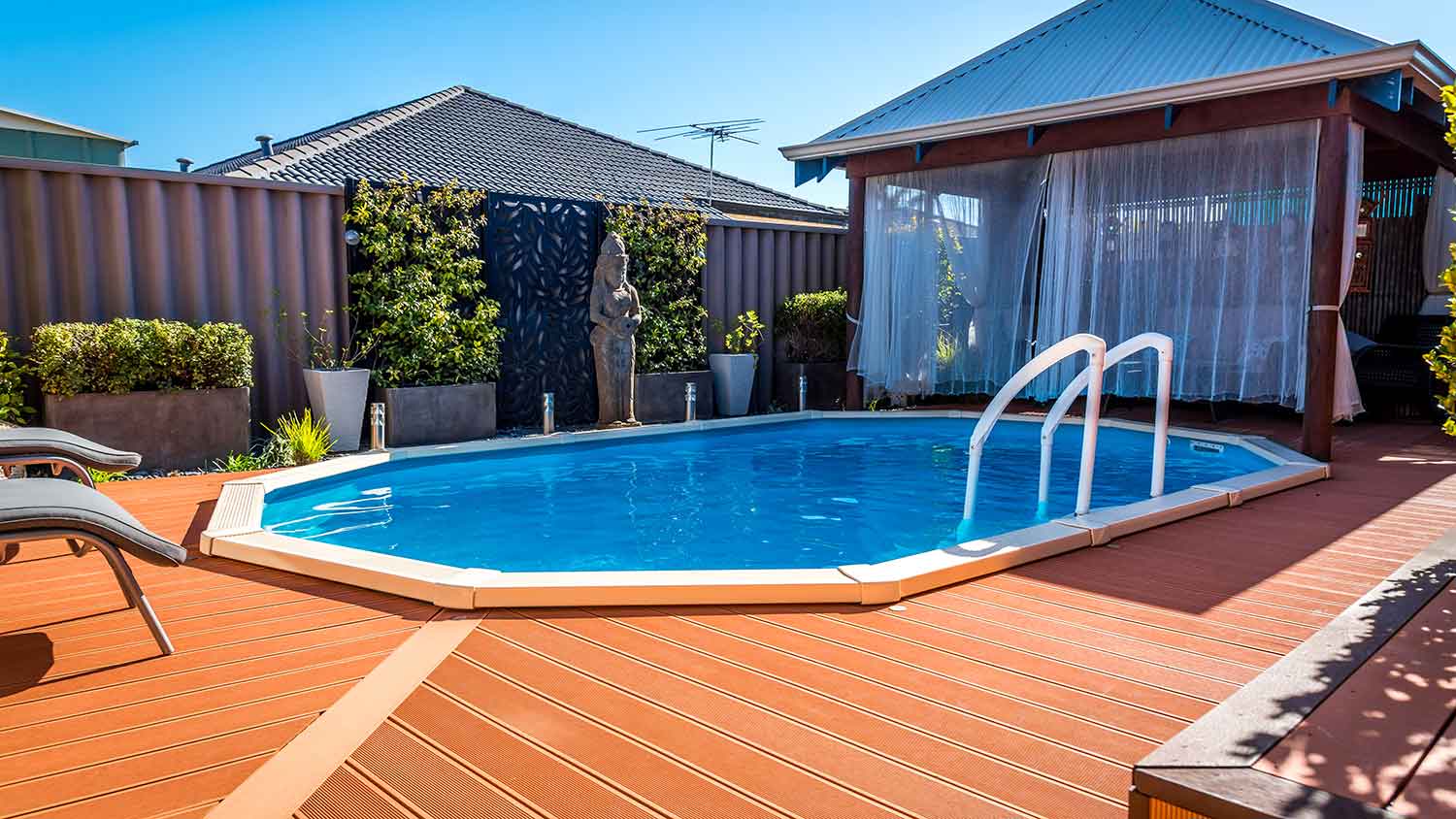
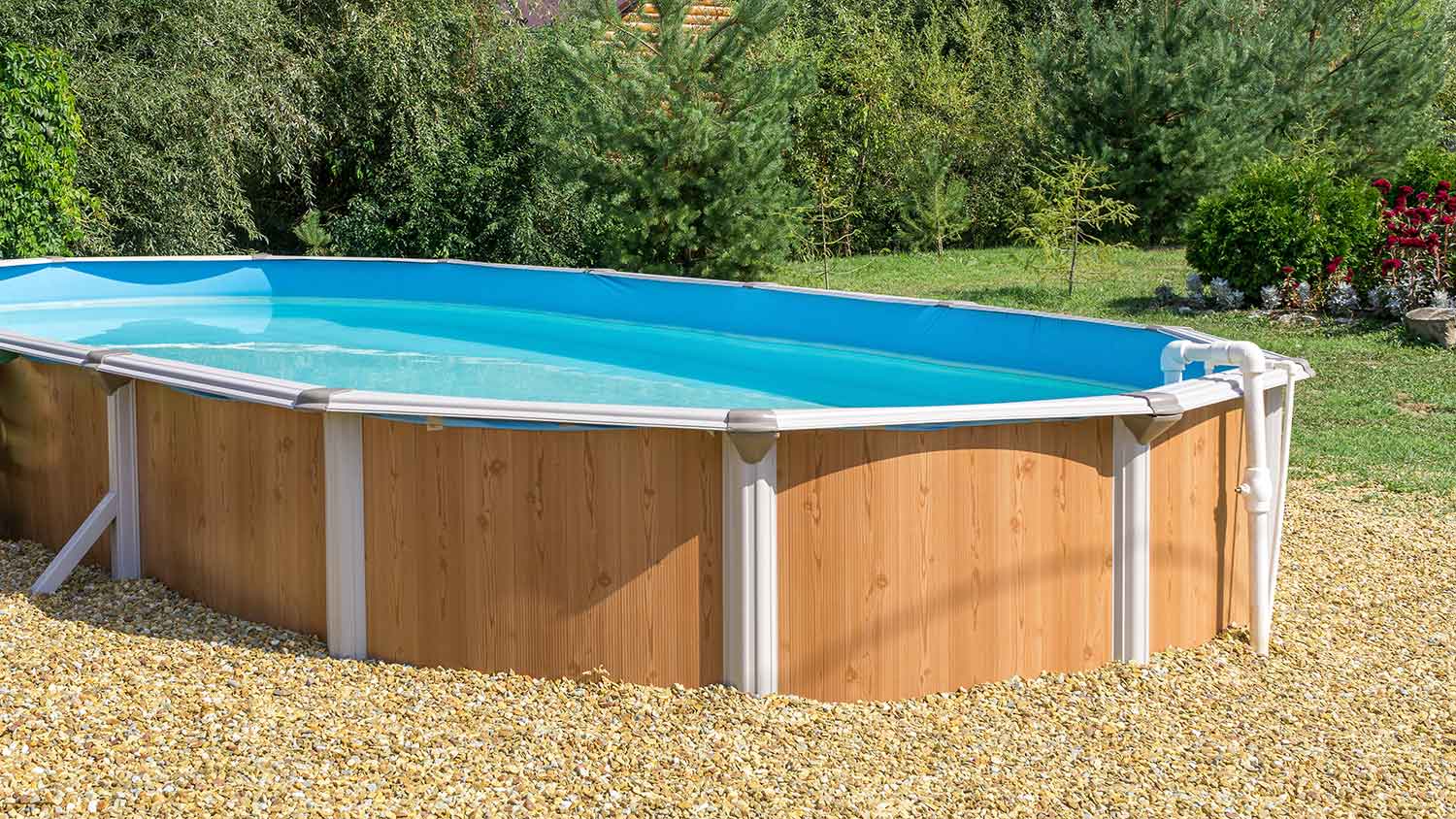
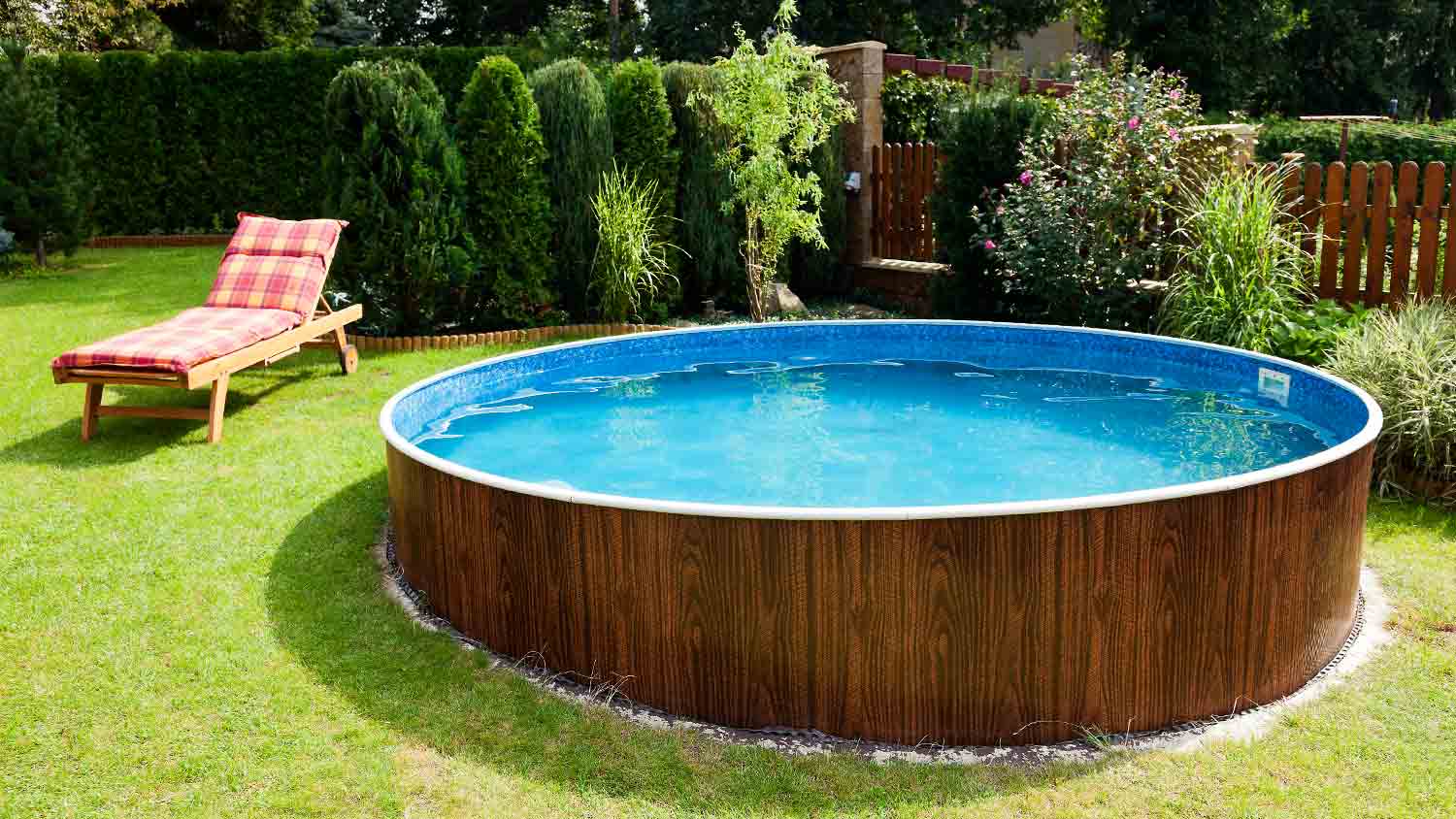
Install Above Ground Pools FAQs, answered by experts
The generator in your saltwater pool conversion kit transforms sodium chloride—the same salt as table salt—into chlorine. A process called electrolysis sends electricity through the water to interact with the chlorine ion. This ultimately creates the chlorine that keeps your pool safe and clean. The cell in your saltwater chlorine generator is the part that converts the salt into chlorine.
Yes, pool pumps use a significant amount of electricity, making them one of the biggest energy consumers in a home. A pool pump can use up to three times as much electricity as a refrigerator. Typically, a residential pool pump consumes about 1 kilowatt-hour (kWh) for every hour it runs. Because pumps often need to run for about eight hours a day to properly filter the water, this can add up to an annual consumption of 3,000 to 5,000 kWh, which can cost between $480 and $800 per year based on average electricity rates.
The amount of electricity your pump uses depends on its size, energy efficiency, and daily run time. To lower your energy consumption, you can choose an energy-efficient or variable-speed pump, ensure it is correctly sized for your pool, and run it only for the minimum time required to keep the water clean.
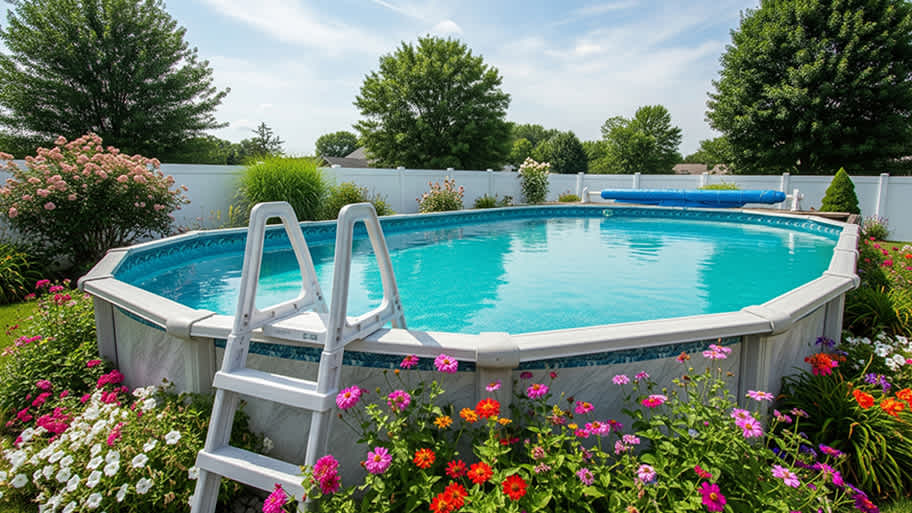
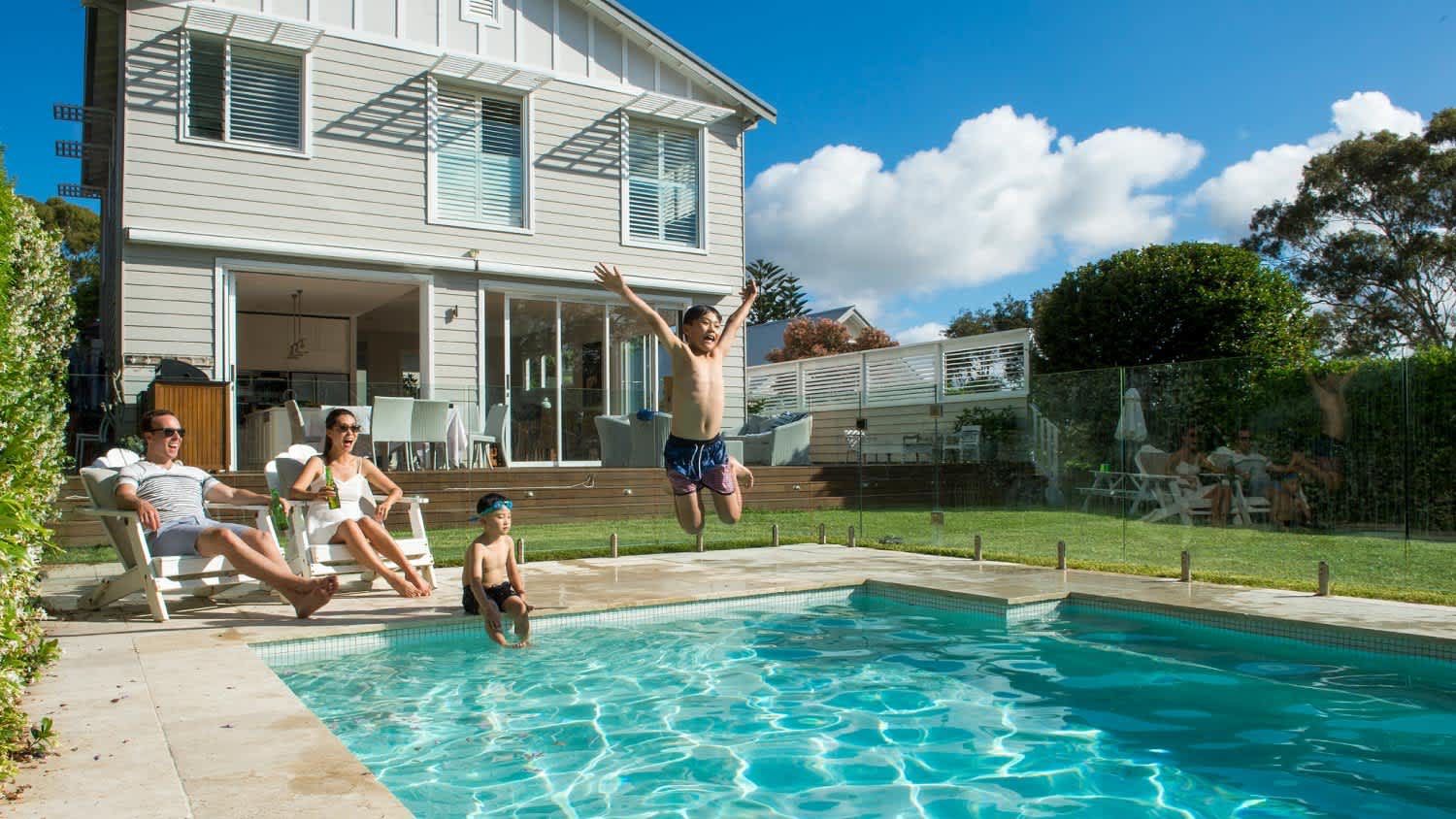
There are pros and cons of in-ground vs. above-ground pools, which you should consider when choosing the pool of your summertime dreams. Some factors to think about include:
Above-ground pools are semi-permanent and movable, whereas in-ground pools are permanent structures.
In-ground pools are more expensive to install than above-ground pools.
It takes one to three days to install above-ground pools and several weeks for an in-ground pool install.
You can install an above-ground pool in smaller yards, but you need plenty of space for an in-ground pool.
Pool remodel costs average over $9,000, so what about converting your pool to salt water instead? It is certainly an investment on the front end, but homeowners stand to save money on maintenance by switching to a saltwater pool. You will need to replace the salt cell every five years or so, but you will not have to clean your pool as frequently, either. The smell of chlorine also will not be on your swimsuits or skin, which is a benefit many appreciate.
Detecting a leak in your pool costs about $300 on average. The price ranges widely from low $100 up to $1,000.
Here are the costs involved in leak detection services for your pool:
Pool inspection: $125–$250
Above ground pool leak detection: $100–$700
Inground pool leak detection: $400–1,000
Vinyl liner repair: $350–$3,600
Fiberglass lining repair: $300–$400
Concrete liner repair: $75 per linear foot
Pressure test pool lines: $200–$500
Skimmer repair: $100–$250
Main drain repair: $400–$700
Pump repair: $50–$300
Tile repair: $20-$30 per linear foot
The Owyhee, NV homeowners’ guide to above ground pool installation services
From average costs to expert advice, get all the answers you need to get your job done.
Above ground pools are more affordable than inground pools, so can you put an above ground pool in the ground to save money? Learn when it’s safe to do so.