"The tech was very knowledgeable and went above and beyond to satisfy us. Our faucet was broken would not attach to the sink as the copper seal broke to the water lines."
"One oven doesn't work at all ( my choice, see above), the "working" oven was never calibrated properly so using it is hit or miss. It's time to call American Home Shield to see about replacing the entire unit. I'm waiting to finish other home projects before calling them. I don't know if I'll request Greenway again."
We are a locally owned and operated company that values honesty and integrity in all aspects of our business. We offer a variety of Hot Tub, Pool, and Spa service including installs, repairs, and opening and closing services that are customizable to each individual property. We pride ourselves on the quality of our work as well as our commitment to outstanding results. We look forward to building lasting relationships with our clients and guarantee your satisfaction!
Perfect Pool and Spas of Idaho prides themselves in exceeding customers and client�s expectations. They take the time to really listen and understand the desires of their customers and clients to make sure the customer is fully satisfied with the job.
At The Pool Zombie, we offer friendly and courteous service. We are always eager to answer your questions and address your concerns. We have built our reputation on our commitment to providing quality services. This has earned us an impressive reputation with many valuable customers. When you need the best, call The Pool Zombie. We look forward to earning your business.
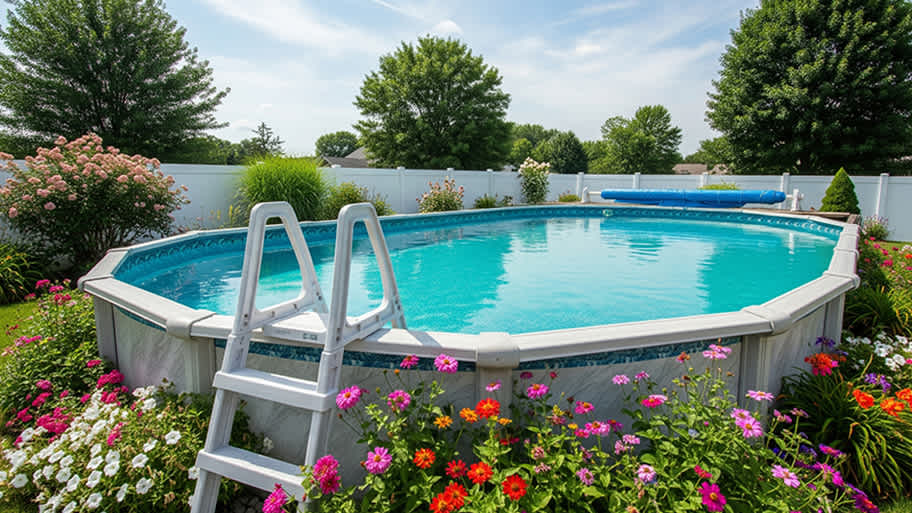
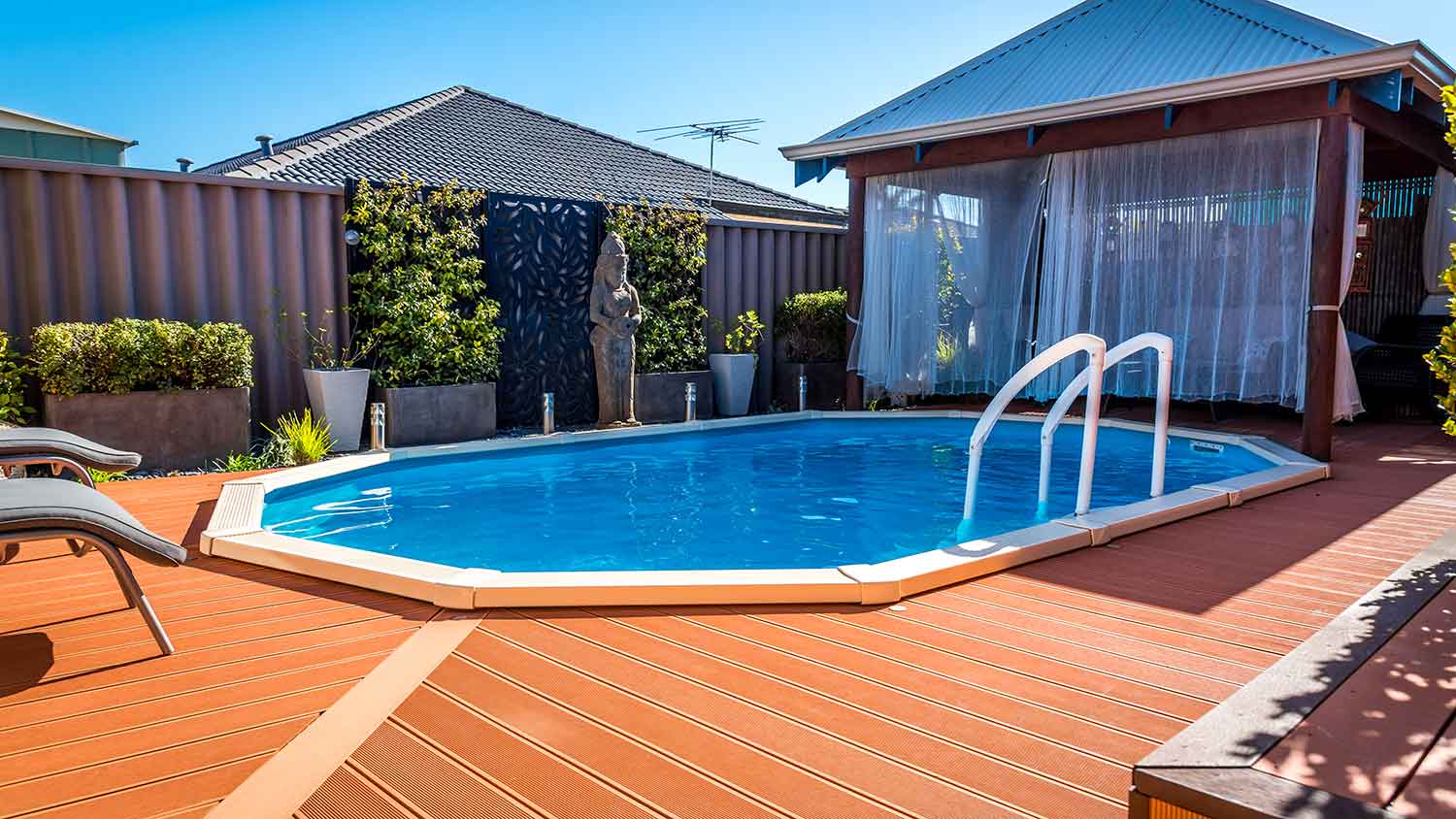
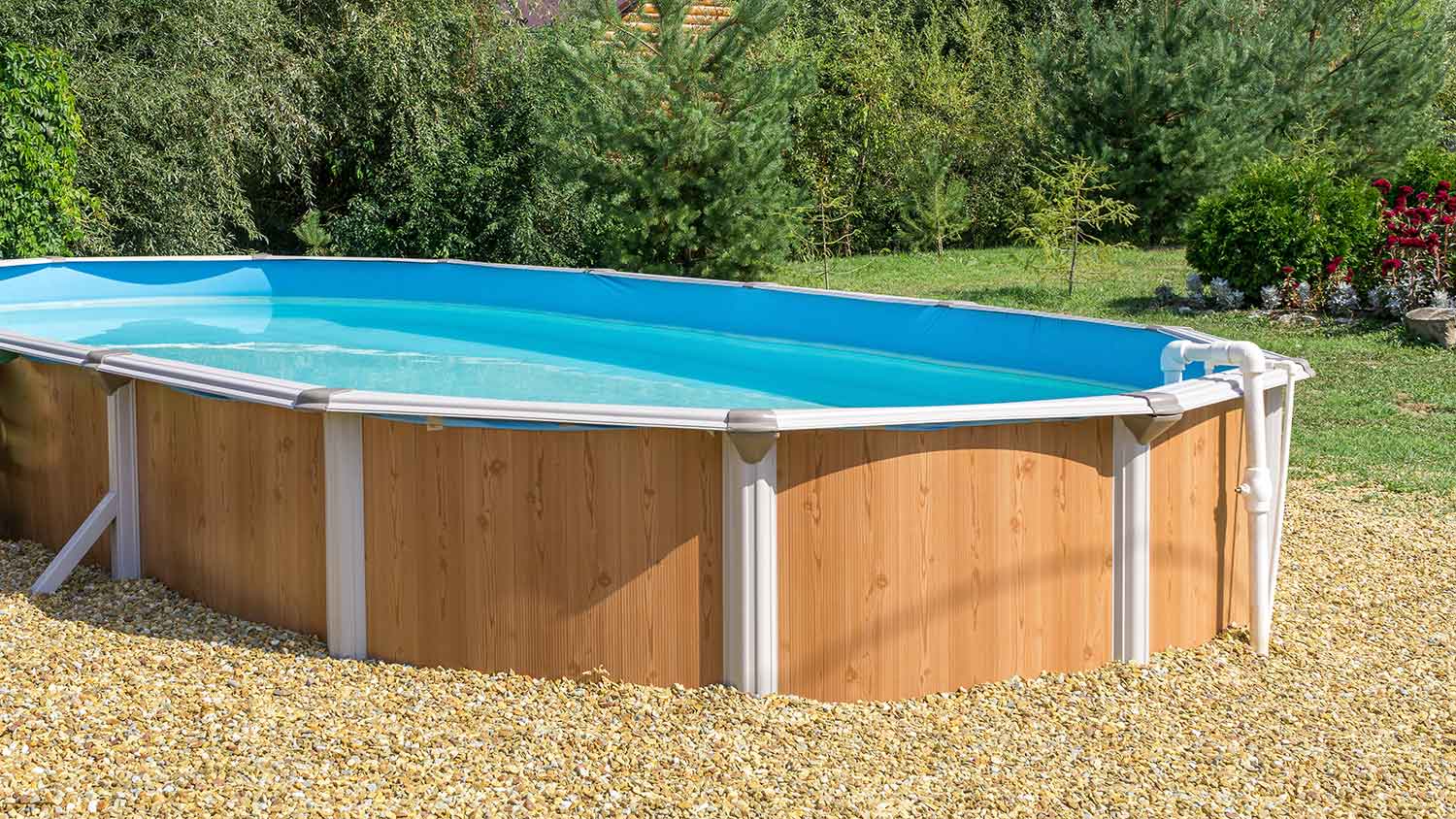
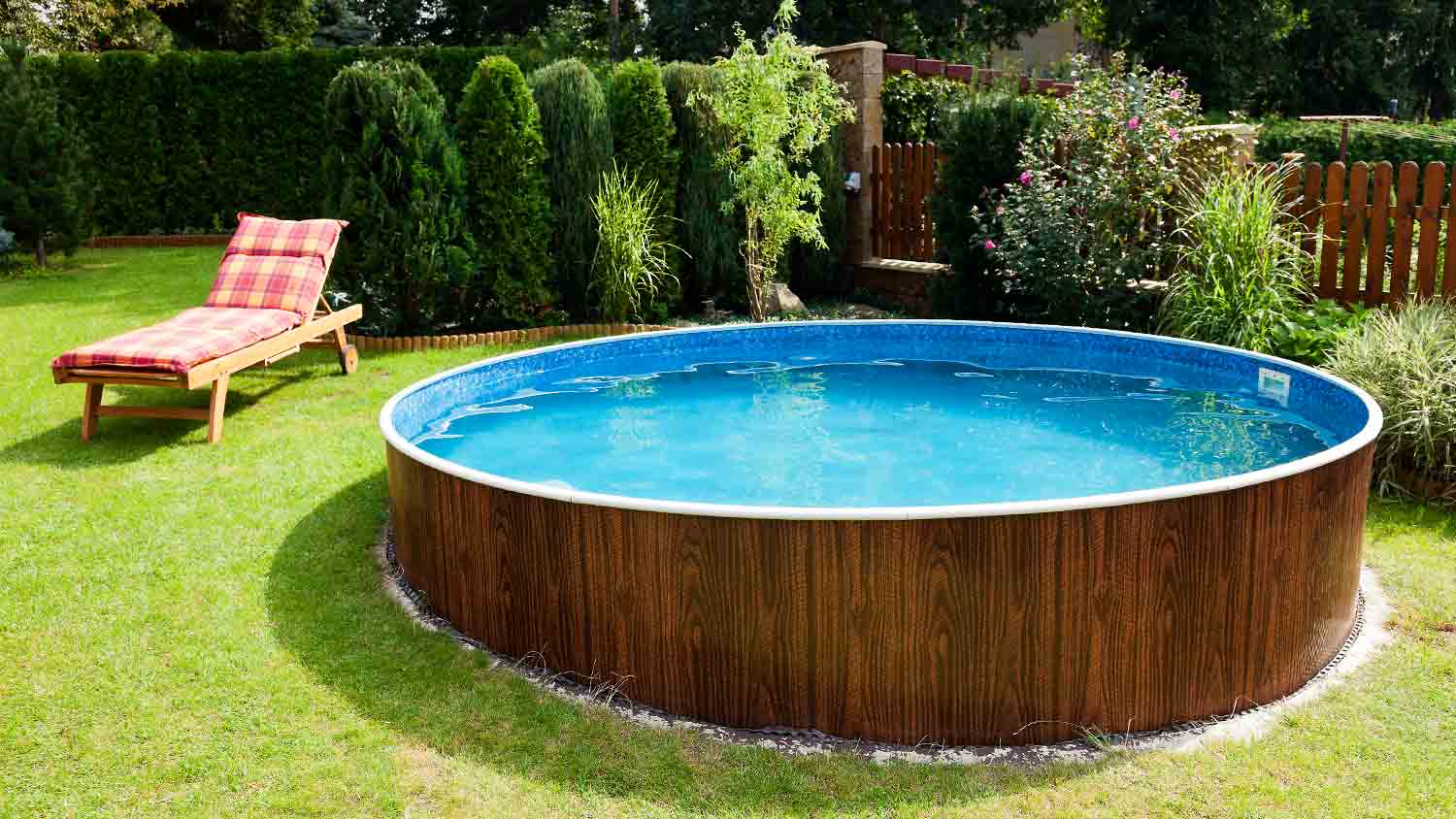
Install Above Ground Pools questions, answered by experts
If you have a smooth, already bonded concrete surface, painting a concrete pool deck can be a great way to brighten up the area and add longevity. If the surface has another covering or a different type of paint has been used previously, you won’t be able to paint it without removing the existing coating. Wooden decks benefit from painting as it helps to keep them watertight. Quality pool deck paints also help make the surface less slippery and less likely to gather mold and mildew or prematurely crack.
Yes. A pool pH too high may result in a rash, red, or stinging eyes for swimmers. It means chlorine isn't as abundant as it needs to be to neutralize germs. A pH that is too low means the water is too acidic, which can cause similar bodily irritation and damage to your pool's lining and the surrounding plaster, stone, or tile.
Technically, you can fill in a pool yourself—with the caveat that filling in a pool requires the ability to drain the pool properly and move a substantial amount of dirt, which aren’t beginner DIY skills. If you want to fill in a pool, you’re better off hiring a local pool removal professional.
Pool leak detection dye is a great way to test specific areas of your pool for unbalanced water flow. By releasing the dye close to possible trouble areas—like around the seal of the skimmer—you can narrow down the potential crack. However, it's best to call a professional pool repair team near you if an initial patch does not keep your water level from lowering.
If your pool’s pH level is too high, chlorine won’t be as effective. Since chlorine is responsible for sanitation and keeping bacteria out of your pool, a high pH level could create a higher risk for bacterial diseases. It can also make you more susceptible to rashes and infections (like swimmer’s ear). Need to lower your pool’s pH? You can do it yourself for between $5 and $40.
The Hagerman, ID homeowners’ guide to above ground pool installation services
From average costs to expert advice, get all the answers you need to get your job done.
Above ground pools are more affordable than inground pools, so can you put an above ground pool in the ground to save money? Learn when it’s safe to do so.