

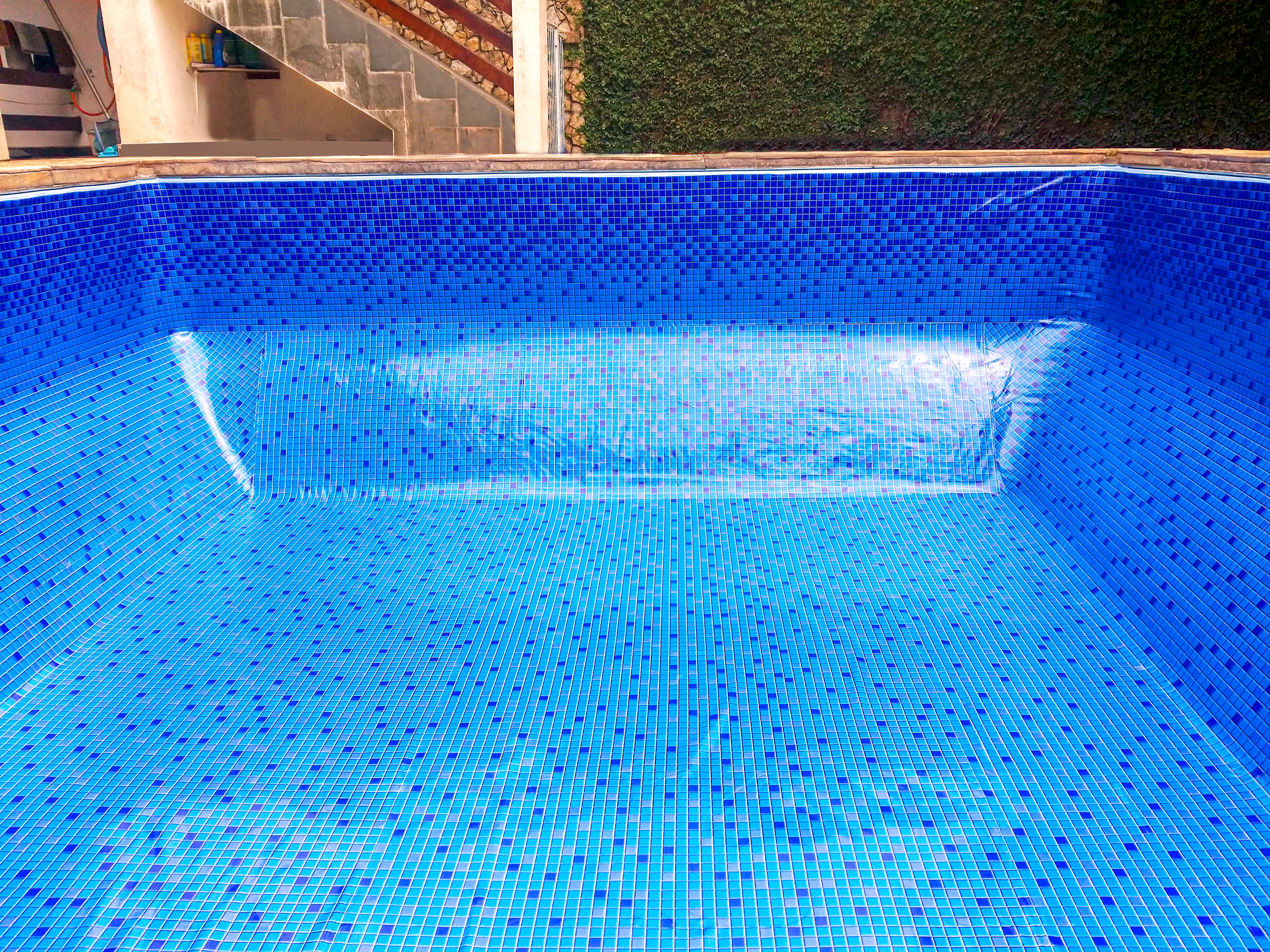
Are you thinking about filling your pool? The cost to fill a pool depends on the type of fill used and the size of your pool.
Pool construction and installation costs depend on your project and location. Check with a local pro for your specific job.

Professional pool water delivery costs $30 to $100 per 1,000 gallons for your pool fill project.
Your pool size drives total water use, and in-ground pools need more gallons because they’re deeper.
You should budget for municipal overuse fines up to $100 and extra chemicals to balance mineral-heavy well water.
Hiring a local pool service professional delivers treated, swim-ready water fast and protects your well pump from $1,500 to $6,500 damage.
In 2026, the national average cost to fill a swimming pool with water is $180. Most homeowners pay $90 to $270 in total. This breaks down to $4 to $10 per 1,000 gallons from a garden hose or $30 to $100 per 1,000 gallons from a water delivery service. Costs are driven by pool size, water source, and local utility rates.
Water is an ongoing pool maintenance cost, and most homeowners spend $20 to $500 per season replacing water lost to evaporation, though filling a completely empty pool costs significantly more. The final price depends on three primary factors: pool size, water source, and current water level. Understanding each factor before you start helps you choose the most cost-effective approach for your situation.
Pool size is the single biggest factor in what you'll pay to fill it with water, and in-ground pools cost more because they hold greater volume. The average pool holds around 17,000 gallons, which runs $68 to $170 from a garden hose or $30 to 1,700 using a water delivery service. Aboveground pools generally cost less to fill, though circular models can hold a surprisingly large volume.
The table below breaks down the average cost to fill a swimming pool by size:
| Pool Size | Gallons | Average Cost Range in 2026 |
|---|---|---|
| Hot tub | 300–500 | $1–$50 |
| Spool | 6,000–6,800 | $24–$680 |
| Cocktail pool | 8,000–10,000 | $32–$1,000 |
| Standard pool | 12,000–13,500 | $48–$1,300 |
| Lap Pool | 16,000–20,000 | $64–$2,000 |
| Diving pool | 23,000–28,000 | $92–$2,800 |

Choosing the right water source for filling your pool is straightforward with city water but requires more planning when you rely on a well or a delivery service. City water is the simplest and most affordable option, while well water eliminates the water bill but adds electricity costs. A delivery service costs more per gallon but saves time and often delivers pre-treated water. Here is a comparison of common pool water sources and their average costs per gallon:
| Water Source | Average Cost Range (Per Gallon) in 2026 |
|---|---|
| City water or garden hose | $0.004–$0.01 |
| Well water | $0 (pay for electricity only) |
| Truck delivery service | $0.03–$0.10 |
At an average cost of $0.004 to $0.01 per gallon, city water is the least expensive and most popular option for filling a swimming pool. For 15,000 to 30,000 gallons, you'll pay between $60 and $300. However, be sure to check with your municipality before turning the hose on full throttle. Overuse fines in California go up to $100.
If you're using well water instead of city water, you may not have any bills in the mail. However, your electricity bill will reflect the power the well pump uses to move water from below ground to your pool. Most homeowners spend $25 to $75 on electricity costs, though it depends on the pump's wattage, manufacturer, age, and model. Chemically unstable well water may also need chemical treatments.
Many pool owners consider hiring a local pool service to supply their pool with water. Consider the cost of the water supply, the type of water, and how many gallons you'll need. You'll pay $0.03 to $0.10 per gallon for water from a pool water delivery service —or about $500 to $1,700 to fill the average 17,000-gallon pool. Keep in mind that you may spend more to fill a smaller pool since some companies only sell water by the truckload.
Partial pool refills cost most homeowners $20 to $500 per season to replace water lost to evaporation, splashing, and minor leaks. To avoid overfilling, estimate your pool's current water content before you start. For every 20,000 gallons of pool capacity, plan to add 1,000 to 3,000 gallons—about 15%—when refilling from a partial drain below the skimmer.
Throughout the season, you may need to pay for maintenance water as your pool loses water from leaks, evaporation, and kids splashing around.
Where you live directly affects what you pay to fill a pool, since city water rates are higher in areas with a greater cost of living. City water remains more cost-effective than delivery in most regions, but delivery can be a practical trade-off when time matters. In rural or hard-to-reach areas, delivery costs rise with distance—the farther the truck travels, the more you pay. If delivery becomes too expensive, using a well or garden hose is often the better alternative.

The total gallons needed to fill your pool vary widely with size, which directly affects your overall water cost. Smaller pools, like hot tubs, require just a few hundred gallons, while large diving pools can require more than 20,000 gallons. Knowing your pool's exact volume before you call a supplier or turn on the hose helps you budget accurately and avoid surprises.
Grab your calculator—you can determine how many gallons of water your swimming pool holds (aka the volume) by crunching a few numbers or using this pool volume calculator.
Diameter Length (A) x Diameter Length (B) x Depth x 5.9 = Total Water Volume
Length (A) x Length (B) x Depth x 7.5 = Total Water Volume
Note: If your pool has shallow and deep ends, calculate the average depth to determine how much water it holds.
A record of your pool's dimensions from your local pool installer will make it easier to determine how much water is needed to fill it.
Once you know your pool's total capacity in gallons, look up your water rate on your utility bill to calculate your fill cost. The formula is straightforward: divide your pool's capacity in gallons by 1,000, then multiply by your cost per 1,000 gallons. For example, at $9 per 1,000 gallons with a 20,000-gallon pool, the math works out to $180 to fill it completely. Here is how that cost scales across common pool volumes:
| Pool Size (Gallons) | Average Cost in 2026 |
|---|---|
| 10,000 | $90 |
| 15,000 | $135 |
| 20,000 | $180 |
| 25,000 | $225 |
| 30,000 | $270 |
Hiring a professional pool water delivery service saves time and protects your equipment—most local pool repair companies near you deliver treated water that's swim-ready within hours rather than days. City water and well water both require days of monitoring, and running a well pump continuously can burn it out entirely. Replacing a worn-out well pump can cost between $1,500 and $6,500, which quickly erases any savings from skipping delivery. If you have a private well, the risk to your pump alone makes professional delivery worth serious consideration.
Pool water delivery service: $0.03 to $0.10 per gallon
Your home's water source may contain minerals that can strain your pool's pump and filter.
Your water bill after a few days of running your hose to fill your pool could equal the cost of water delivery.
Allowing a well pump to run for hours or days can cause it to break.
If you live in a drought area, using a hose to fill a pool can leave your faucets dry.
For those with the patience, these are some ways to get the most from doing it yourself:
Position your hose at the bottom of your pool during filling to avoid air pockets.
Balance your hose water with pool chemicals as soon as the pool is done filling.
Cover your pool between filling sessions if it's taking several days to prevent evaporation.
If you use well water, consider installing a water softener to prevent minerals from entering your pool filter.
Have your pool dimensions in front of you when contacting local pool water delivery companies (length × width × depth for square pools and diameter x depth for round pools). Share the specific volume if you remember from past fillings.
Clarify your preference for treated or untreated water.
Share any details about your property's location or accessibility that are useful.
If you're refilling your pool fully because you've recently replaced a liner, consider inquiring about the cost of converting to a saltwater pool.
Home is the most important place on earth, which is why Angi has helped more than 150 million homeowners transform their houses into homes they adore. To help homeowners with their next project, Angi provides readers with the most accurate cost data and upholds strict editorial standards. We extensively research project costs to develop the pricing data you see, so you can make the best decisions for you and your home. We rely on reputable sources, including the U.S. Bureau of Labor Statistics, academic journals, market studies, and interviews with industry experts—all to ensure our prices reflect real-world projects.
Want to help us improve our cost data? Send us a recent project quote to [email protected]. Quotes and personal information will not be shared publicly.
If you’re good people wanting to do business with good people, hire Matt. He is a consummate professional and utterly competent. He installed a water heater in my home at a price that beat competitors by hundreds of dollars with a promise to support the unit for its life (even after its 6 yr...
 Greene's Plumbing Services
Joseph did a great job with the staircase and trim. Timely and efficient, clear communication about the work, very fair pricing. For the stairs in particular, done very skillfully in an old house (1893) in a tight spiral, and very creative with how to do the handrail. Did a nice job with...
 Vouis Trim Carpentry L.L.C.
This company does it right. Firstly, I want to say that Landan was a joy to work with. He was so kind, transparent, and had everything under control. His entire team showed up ready to work and they were all very respectful of the fact that we were in an office space. A little backstory – we...
 Krumlauf Floors
Professional Team, smooth to communication chain and schedule flexibility. Follows proper construction procedure and completes task on time.
 Pegasus Concrete
Very professional, knowledgeable and helpful! Completed the install on time and as expected.
 Ward's Services
Cole has been handling plumbing and general contracting for our four properties over the past three years, and he’s always done a great job. Most recently, he installed a sink and countertop in our retail store where none existed before, and it turned out exactly how we needed. He’s...
 ANB Renovations LLC
Excellent, Prompt, Courteous Service!!! They were super friendly and quite personable. I felt very comfortable with the gentlemen that did the installation. They installed it exactly where I asked them to and they did an excellent job!! I loved their service so much.
 Tether House
I hired windows depot USA of central to install new windows in house in Oshawa. Ilya was very professional from the start, not only did he offered a great price, he also made sure the installation was on time. I am very satisfied with final outcome. The windows look great and the overall...
 Window Depot USA of Central Ohio
The guys did an outstanding job and we had a great experience with CarifaTile. I appreciated that Joe reviewed the quotes with me and set expectations prior to the install. The crews showed up as scheduled and always left the areas clean upon leaving the house. We will definitely use...
 CarifaTile
Did an amazing job transforming my yard. Also installed sod in places, would recommend to everyone.
 Cardinal Landscaping & Construction LLC
From average costs to expert advice, get all the answers you need to get your job done.
Are you thinking about filling your pool? The cost to fill a pool depends on the type of fill used and the size of your pool.
If you’re dreaming of a pool and leaning toward a salt water one, this guide is for you. Learn everything you need to know about salt water pool cost.
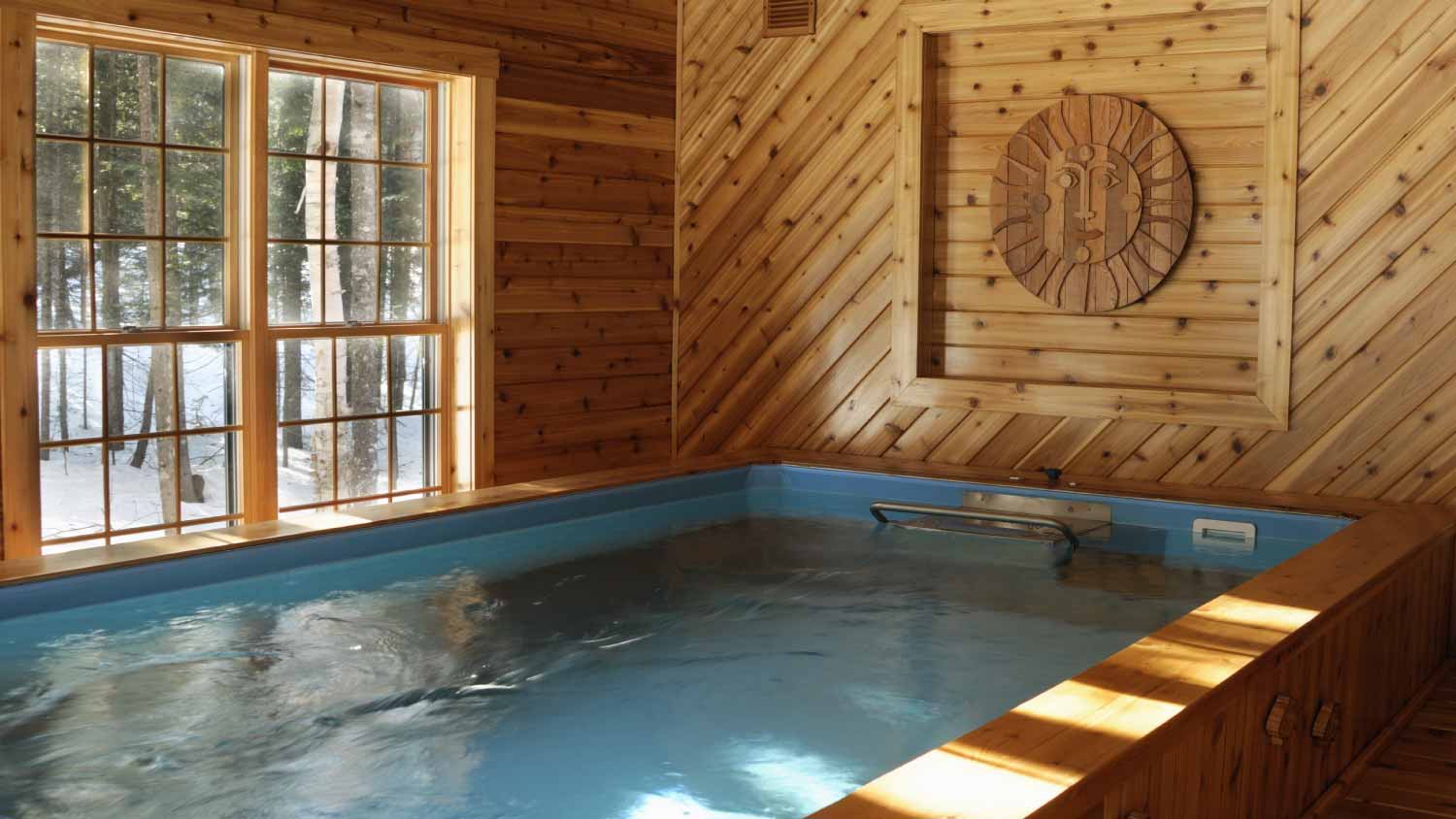
Dreaming of getting in those daily laps without tearing up your backyard? Here’s what to know about endless pool costs so you can plan your project.

How long does it take to fill a pool? It depends on the method, water pressure, and pool size. This guide will help you find that magic number.
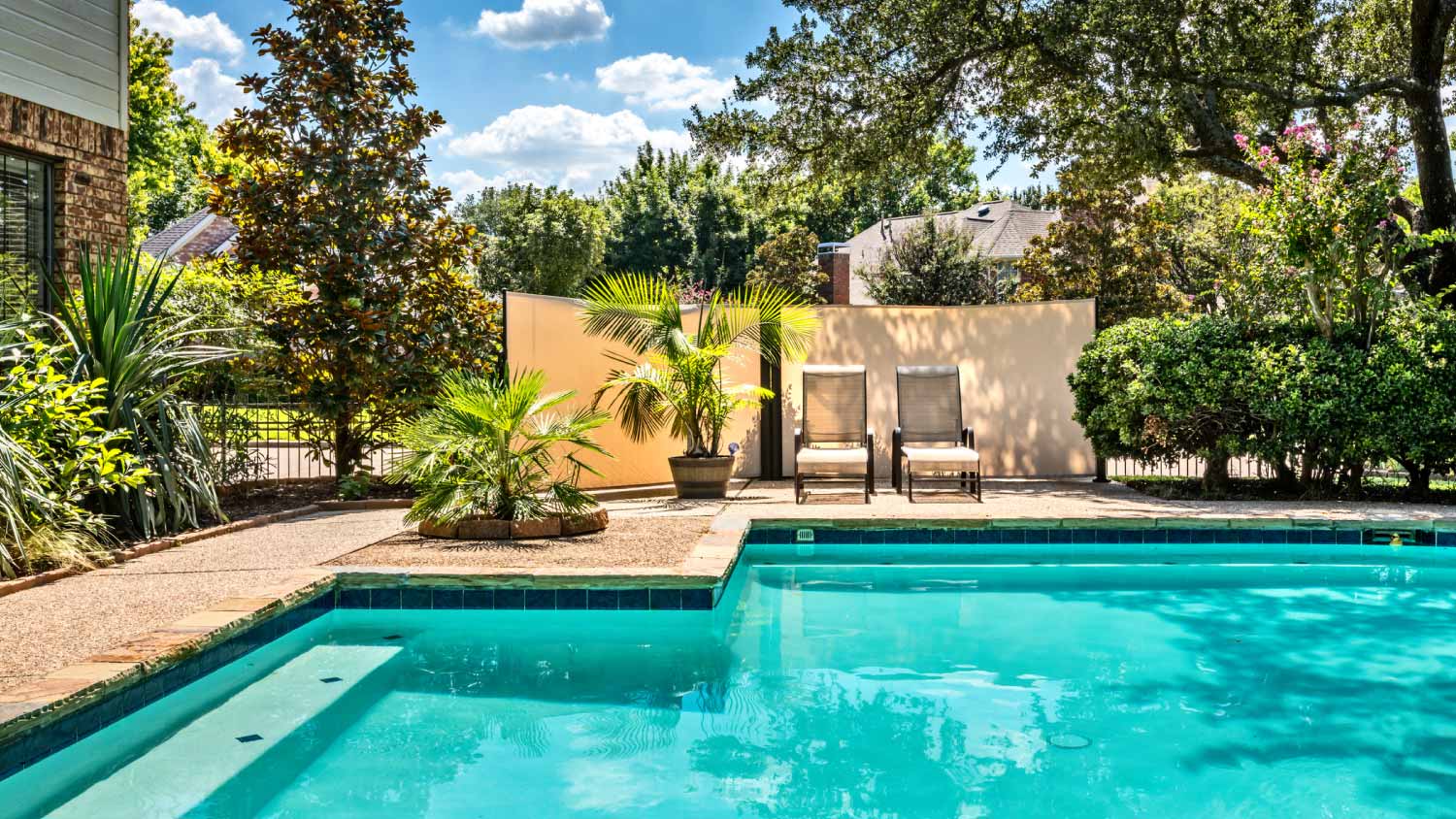
Need to refill your pool after cleaning or the winter season? Use this guide on how to fill a pool with water for a few different affordable methods.

When the pool is empty, should you grab a hose and do it yourself or call a pro? We can help you decide who to call to fill a swimming pool with water.