"The tech was very knowledgeable and went above and beyond to satisfy us. Our faucet was broken would not attach to the sink as the copper seal broke to the water lines."
"One oven doesn't work at all ( my choice, see above), the "working" oven was never calibrated properly so using it is hit or miss. It's time to call American Home Shield to see about replacing the entire unit. I'm waiting to finish other home projects before calling them. I don't know if I'll request Greenway again."
Plumbing service and repair,water heaters, water softeners, recipes, remodels.We guarantee your satisfaction and we won’t leave until the job is done right. We pride ourselves on the quality work we provide, while delivering great customer service! Check out our services offered and call or click to schedule a free estimate today.
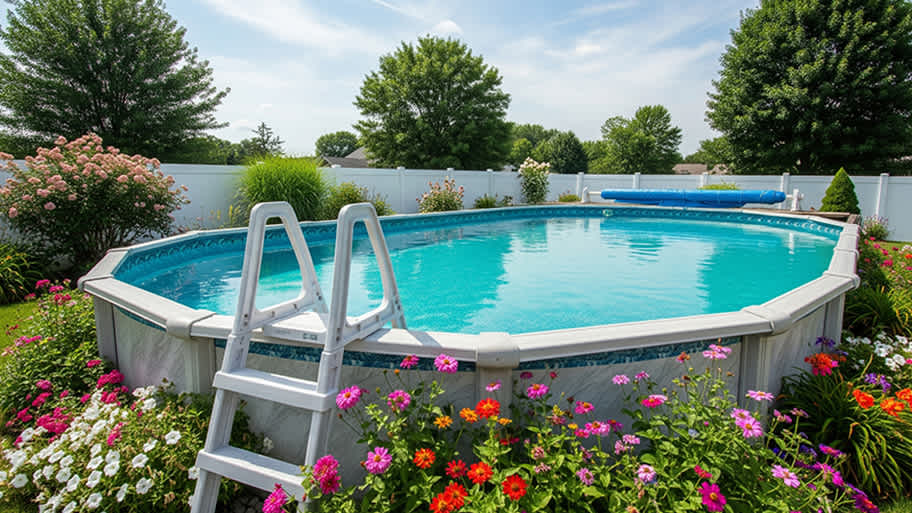
Install Above Ground Pools questions, answered by experts
Installing a pool chiller can give you more control over the temperature of your pool, especially if you live in a climate with hot summers. Just a few degrees of cooling can make your swim feel more refreshing and allow you to use fewer pool chemicals by slowing down the growth of algae. You might not need a pool chiller if you live in a climate in which temperatures tend to dip at night.
Hire a licensed pool contractor in your area with ample experience in your particular pool design. Pool contractors will walk you through both the design and installation process. They will also recommend or hire a team of subcontractors to manage clearing the land, excavating for the pool, and adding all the design and electrical touches that make your pool run smoothly.
Both above ground and inground pools can have pool liners. Inground pools made of gunite don’t need pool liners, and you’ve probably walked along an unlined pool and felt the ripples and ridges on the floors and walls. But adding a liner over gunite or other pool types helps protect the wall panels from algae growth.
Yes, some pool designs do not have coping. However, most designers will extend the decking beyond the water's edge to keep water inside the pool and lower potential pool repair costs in the future. A pool without coping may look more seamless but can raise the risk of slipping and make it trickier to get in and out of the pool.
The total time to install an inground pool typically ranges from 8 weeks to 4 months. This timeline can be influenced by several factors, including permitting, site preparation, and the construction process itself.
Key phases and their typical durations include:
Permits: Obtaining necessary permits can take anywhere from two to six weeks.
Excavation and Site Preparation: This phase takes about a week but can be extended by problematic soil, unexpected ground conditions, or the need to move underground utility lines.
Construction: The actual build, including plumbing and electrical work, often takes one to two months. The pool material is a major factor here; a concrete pool needs about 30 days to cure, while installing a fiberglass or vinyl liner is much faster.
External factors can also cause significant delays:
Contractor Availability: Spring and summer are busy seasons, and high demand can lead to long waitlists, potentially adding months to your start date. It is often recommended to start planning and getting estimates up to a year in advance.
Other Delays: Weather, material shortages, complex designs, and other unforeseen challenges can extend the project timeline.
The Jackpot, NV homeowners’ guide to above ground pool installation services
From average costs to expert advice, get all the answers you need to get your job done.
Above ground pools are more affordable than inground pools, so can you put an above ground pool in the ground to save money? Learn when it’s safe to do so.