"The tech was very knowledgeable and went above and beyond to satisfy us. Our faucet was broken would not attach to the sink as the copper seal broke to the water lines."
"One oven doesn't work at all ( my choice, see above), the "working" oven was never calibrated properly so using it is hit or miss. It's time to call American Home Shield to see about replacing the entire unit. I'm waiting to finish other home projects before calling them. I don't know if I'll request Greenway again."
Install Above Ground Pools FAQs, answered by experts
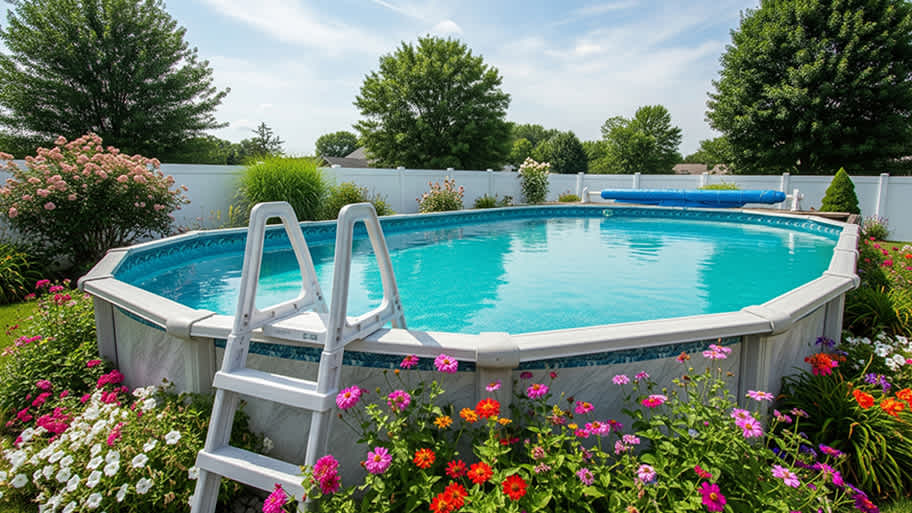
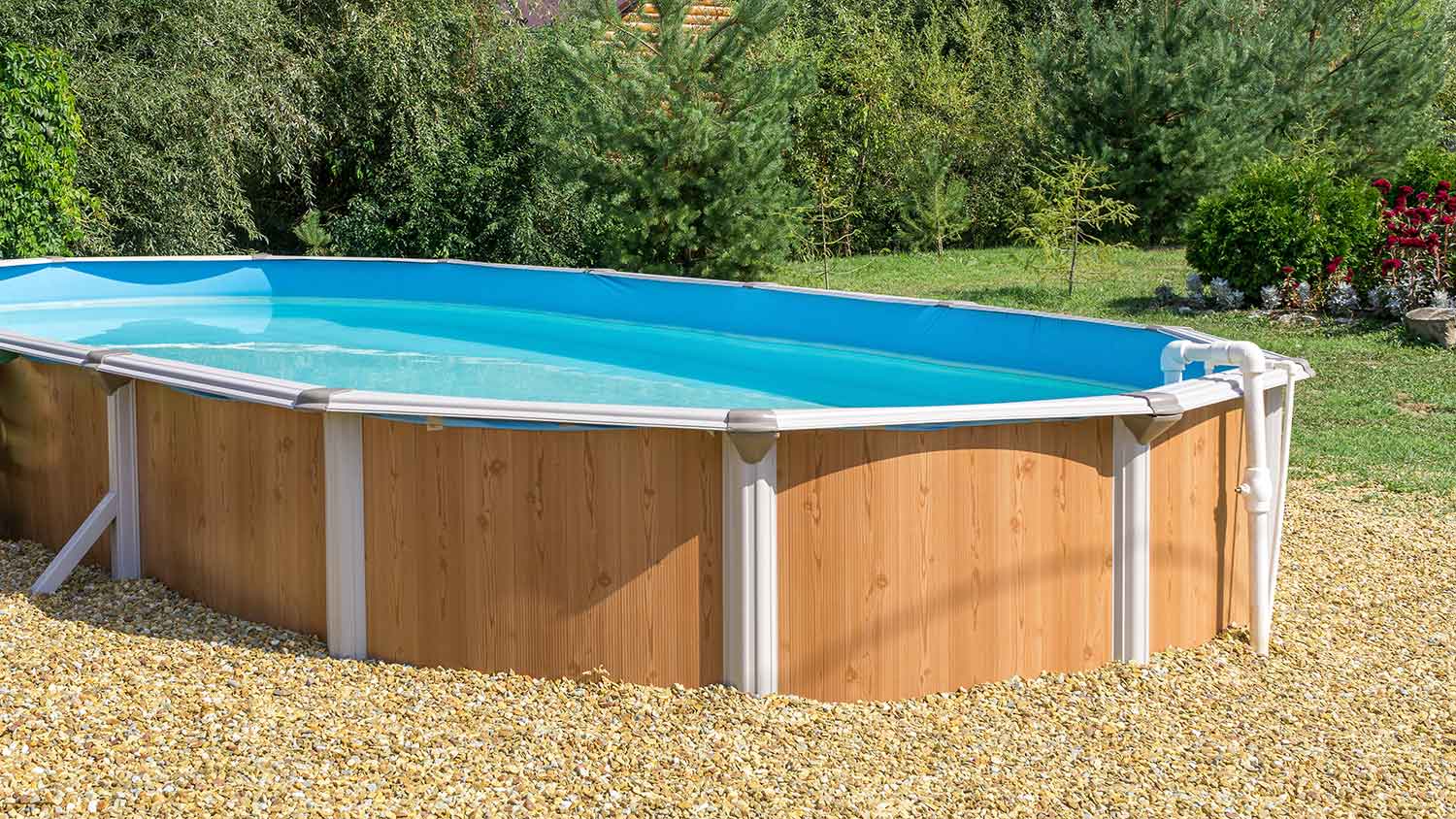
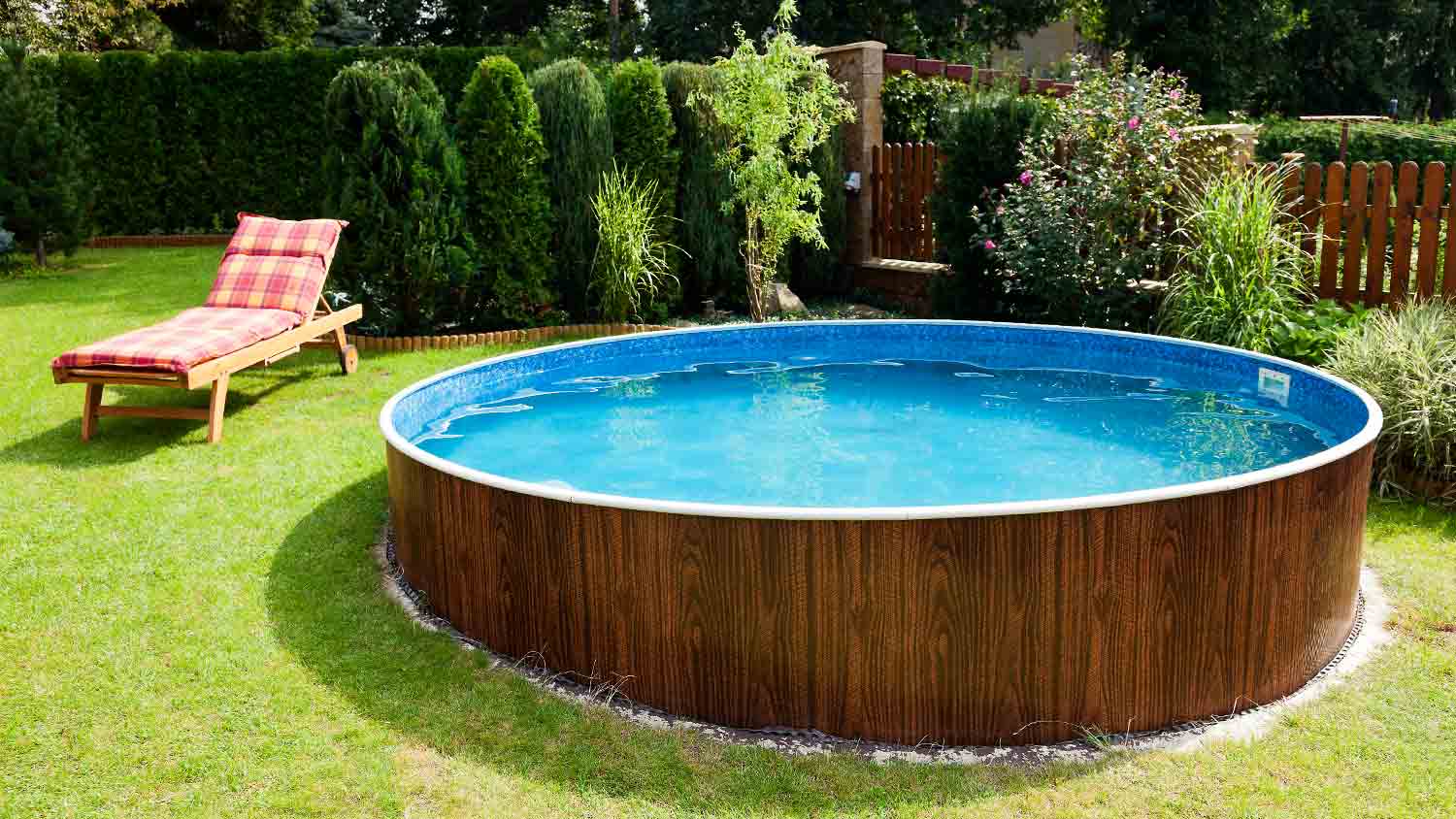
You can install an aboveground pool on various surfaces, including dirt, sand, concrete, and grass. You can’t install a pool on an uneven surface, though, so be sure to level the ground before building your pool. You also can’t install your pool on top of a rocky surface. Three or 4 inches of smooth sand or soil is the ideal surface to go under an aboveground pool.
Before deciding to install a swimming pool in your yard, there are many factors to consider. Even if you still need to figure out the specifics with your pool installer, having an idea of what you'd like will help the initial consultation. Some topics to consider include:
Will you use salt water for your pool or traditional hose water?
How big of a pool do you want to install? How deep?
What special zoning laws do you need to follow for your area?
Do you want to keep it simple or add special features like underwater lighting and waterfalls?
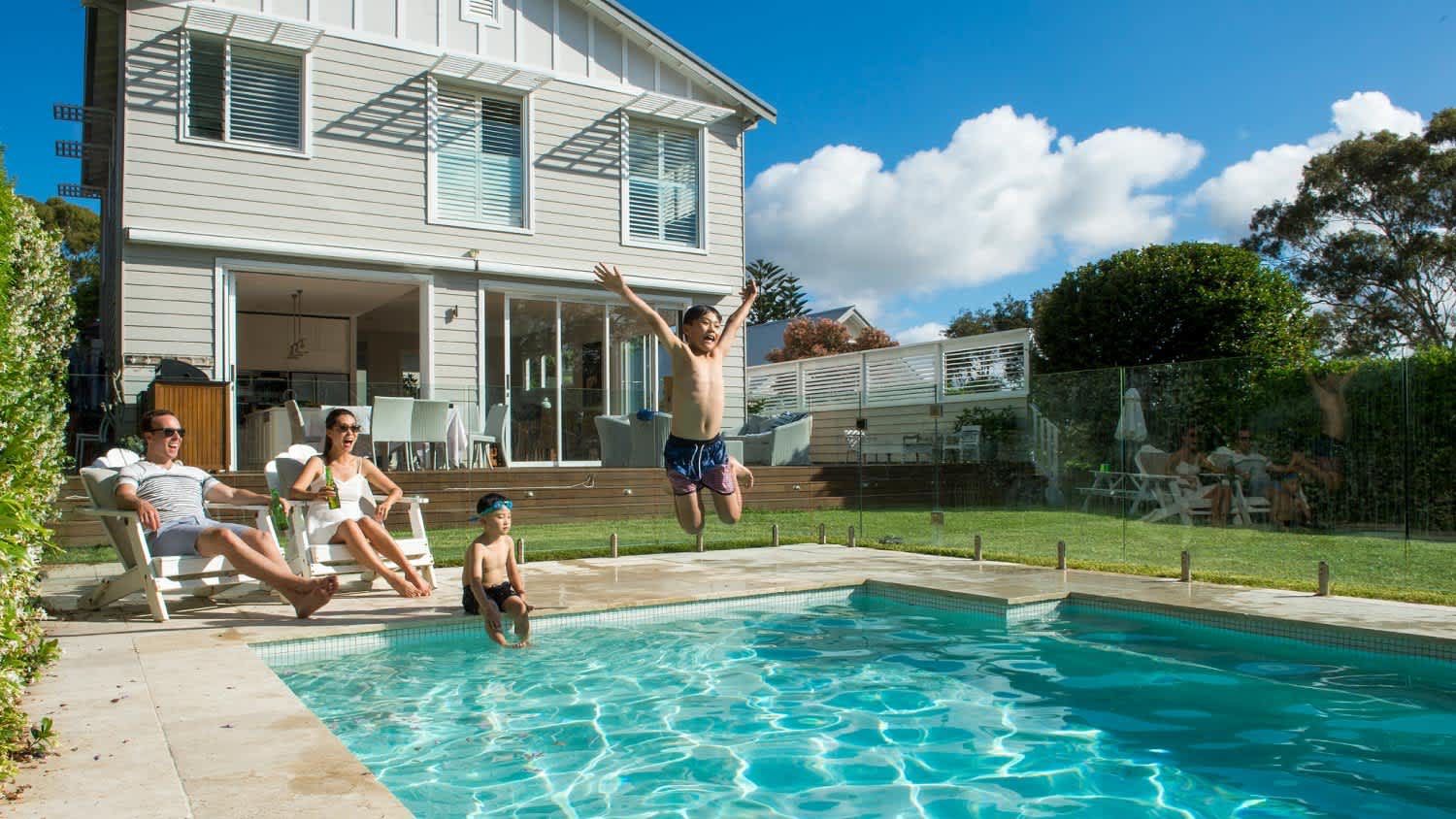
When designing your dream pool, it's important to leave enough room for safe walkways, patios, and extras such as outdoor kitchens and fire pits. Your local building codes may specify the minimum space between your pool and your house, utility lines, and property line. In most cases, the area of the patio around the pool should be equal to or greater than the surface area of the pool.
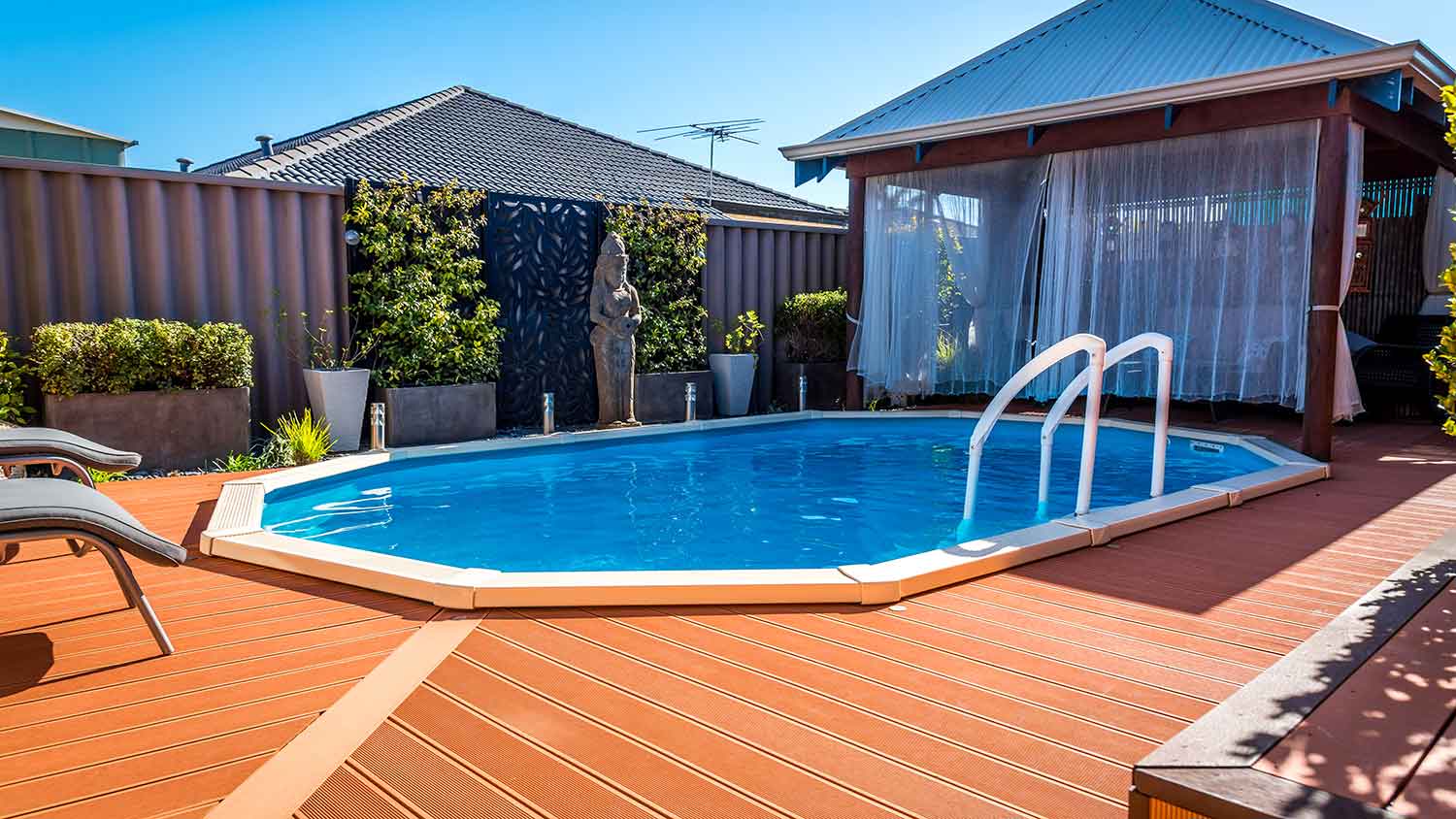
Just like a traditional in-ground pool, semi-inground pools can be between three and eight feet deep. Lap pools, for example, are often an average of 4 feet deep, while a traditional pool may have both a shallow and deep end. The depth of your semi-inground pool depends on the liner you purchase, as well as how much excavation you plan to do before the installation.
Yes, you can use chlorine tablets in a salt water pool. It is not the standard recommended practice, but if your pool needs more chlorine, adding tablets can help temporarily fix the problem. Only add as many tablets as needed to keep your chlorine level around three parts per million. After adding the tablets, test your water to determine the chlorine content.
The Beowawe, NV homeowners’ guide to above ground pool installation services
From average costs to expert advice, get all the answers you need to get your job done.
Above ground pools are more affordable than inground pools, so can you put an above ground pool in the ground to save money? Learn when it’s safe to do so.