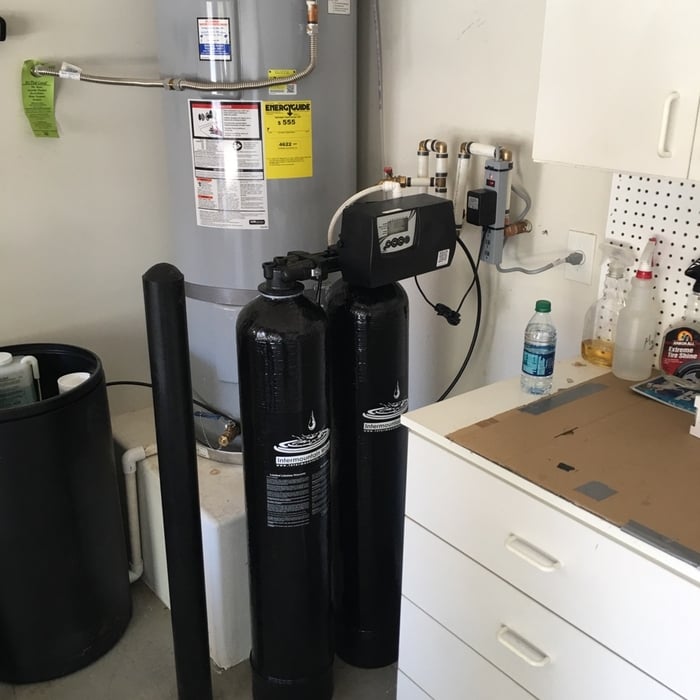
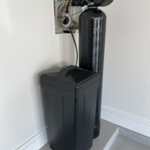
"My wife and I just got a water softener system installed ; the two technicians, DeMarion and Adrien, were great: very professional, they explained to us the water system in details and they installed it pretty fast too. I recommend this company."
"Its only been a few days, BUT the water seems to taste better. John and his son did a great job in the installation. I am looking forward to hot water to kick in."
"This is the second install that I have had from H20 to Go. The first water softener lasted 23 years. I would highly recommend these guys. Very honest."
"The company was very personable, treated my family and I with the best respect and completed the project in a great timely manner. If I could rate them over an "A" I definitely would. Words can't express how satisfied I am with this company and will definitely use again."
"Villy was wonderful. Prompt, helpful, reasonably priced, thorough. I would only want Villy if I needed water heater service again. In fact I'm going to see what other services he does. He made this job a piece of cake for me and I live in a different state from the property that needed service. And I got it done for $1000 less than the lowest estimate. You're my hero Villy."
Yes, you can have both a water softener and a water filter. In fact, some manufacturers sell dual water softening and filtration systems that treat hard water and provide clean drinking water. If you’re unsure about what you need or want to discuss your options, reach out to a local water softener installation company.
The average cost to install a water softener, including the system and labor, is approximately $1,500. However, the total price can range widely from $600 to $6,000. For some complete systems, the cost may be between $800 and $2,500. Labor for the installation typically costs between $150 and $1,000.
The final price is influenced by several factors, including:
System type, capacity, and complexity
Home size and household water demands
Water hardness levels
Accessibility of the installation site and the extent of plumbing work required
Whether new electrical work is needed
The professional hired and any local permit costs
The most accurate way to determine whether you have hard water is to purchase a water test kit from a hardware store or send a tap water sample to a lab. But there are some signs you can look out for without professional testing. For instance, if you're consistently dealing with mineral stains on your glassware, windows, and shower doors, you're likely to have hard water. Hard water can also make it harder to lather and rinse soap, so if you're struggling to work up a good lather in the shower, hard water might be the culprit.
No, hard water isn’t dangerous. The added calcium in hard water can contribute to good bone health. However, it can also cause dry skin and hair. If you have dry skin or hair, consider using a water-softening system to help minimize the minerals in your water. Plus, these systems can also add some sodium to your diet.
The primary difference between a water softener and a water filter lies in what they remove from the water. A water softener is designed to remove hard minerals like calcium and magnesium. In contrast, a water filter has a broader effect, removing various contaminants above a certain size, which can include bacteria and other impurities.
To decide which you need, consider your goal. If you want to eliminate hard minerals, choose a softener. If you want to remove a wide range of contaminants, a filter is the better option. Filters are also generally less expensive to install. Depending on your water supply, you may need to install both for comprehensive treatment.
The Moapa, NV homeowners’ guide to water softener services
From average costs to expert advice, get all the answers you need to get your job done.
Water softeners work to remove unwanted minerals from hard water through a filtration and recharge cycle. Keep reading to learn how a water softener works.
There are four common softener alternatives available on the market today. We compare and contrast each one to help you find your best-fit solution in this blog.
Water softeners rid your home of hard minerals and, well, soften your water. Even better, the regeneration process is an automatic cycle that works when you’re least likely to use it.
Water softeners remove hard minerals from your tap water, improving plumbing systems and water-using appliances. Here are the most efficient water softeners out there.