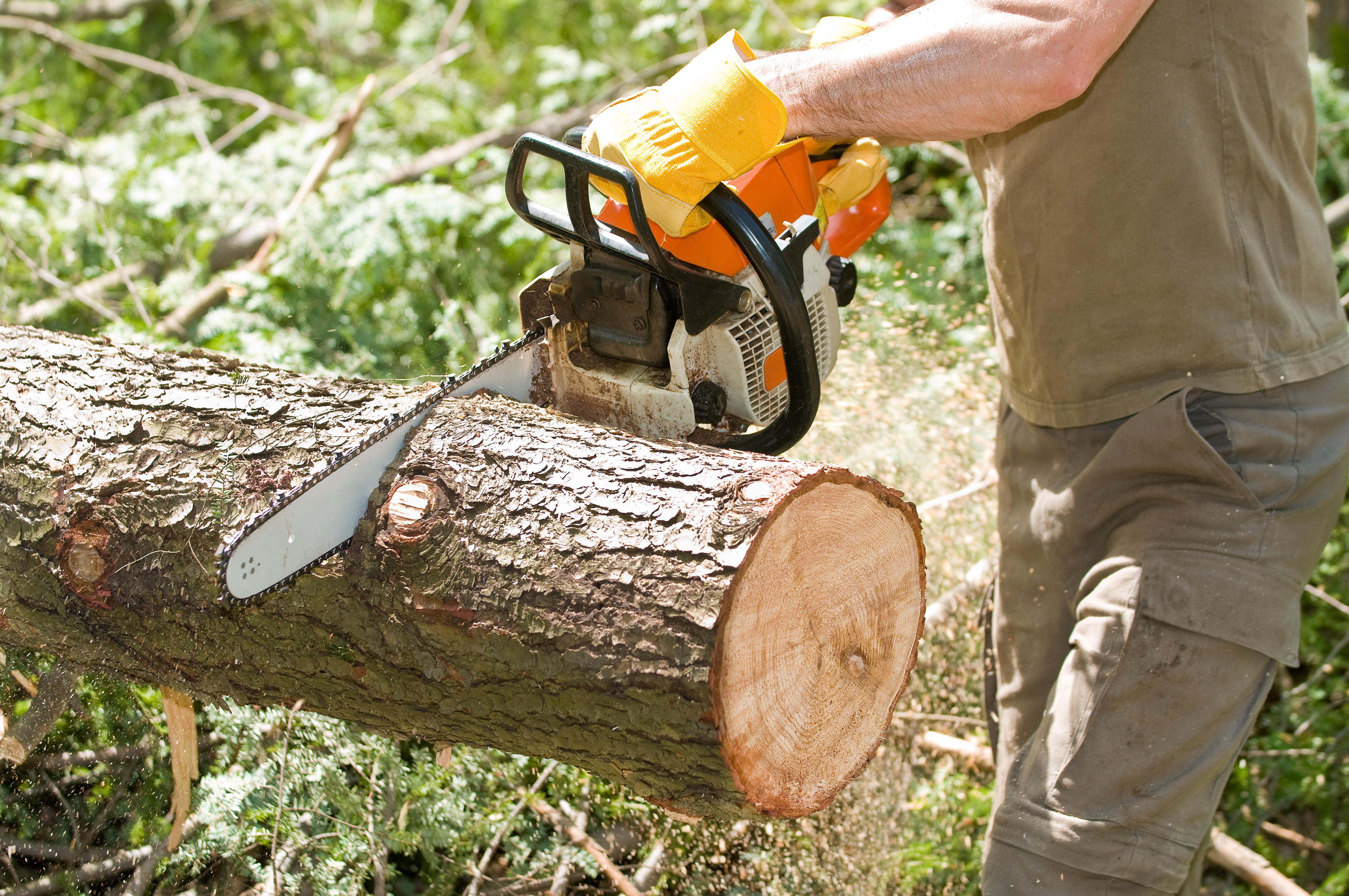
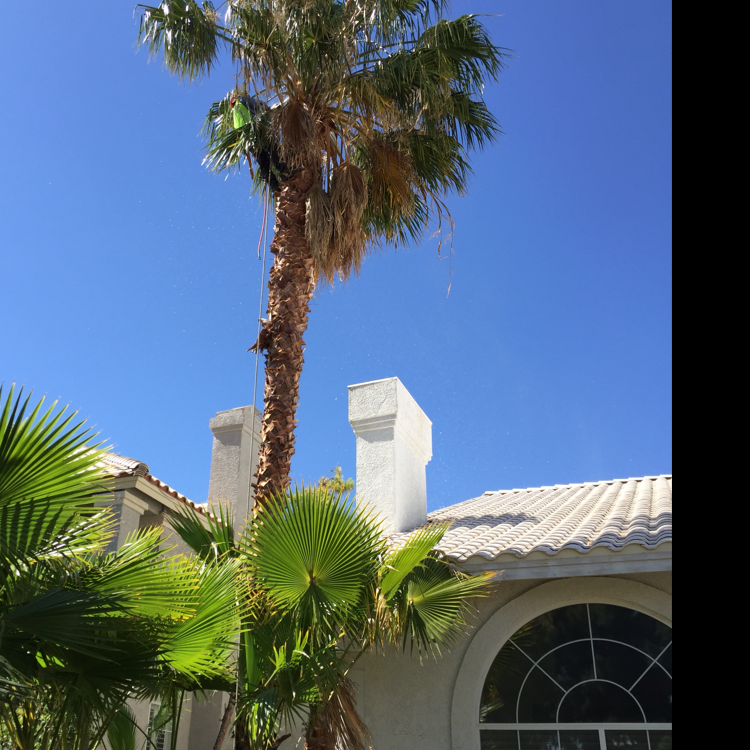
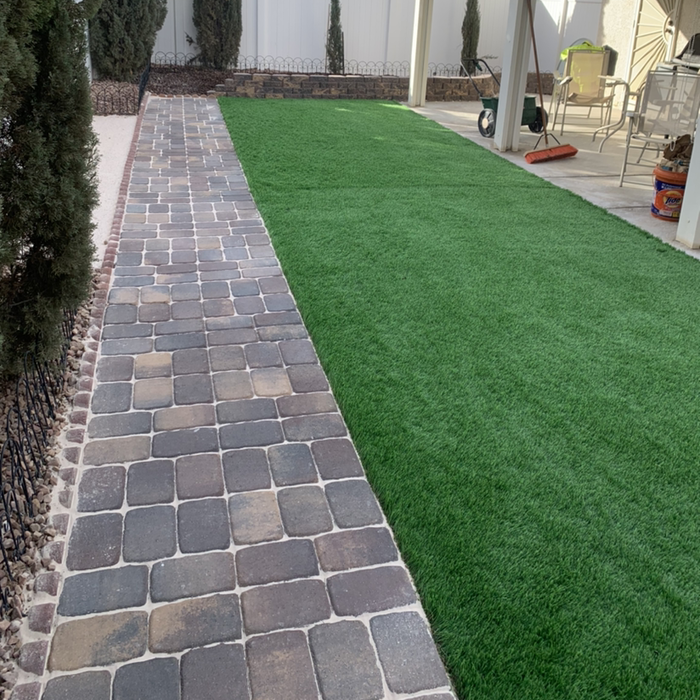
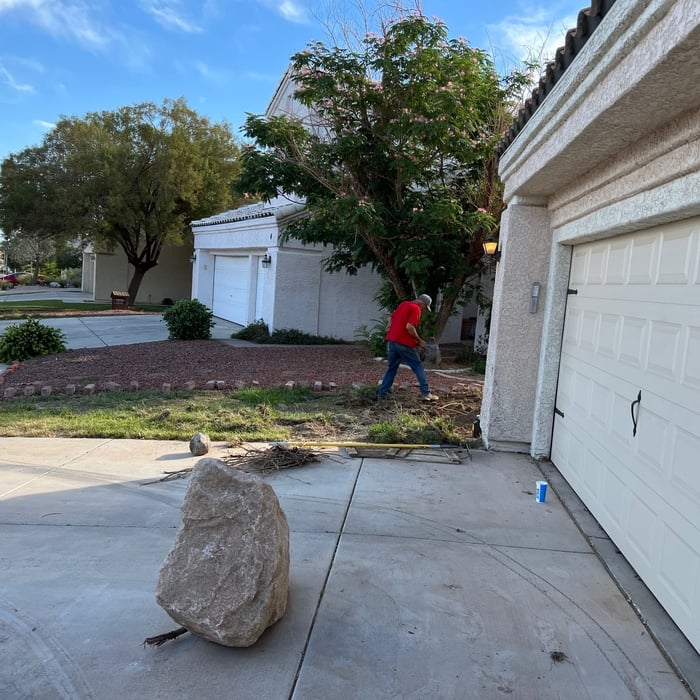
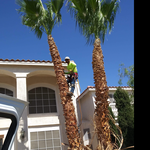
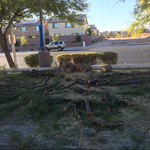
"The gentlemen arrived on time. They were friendly, professional and efficient. Clean-up was so good that my walkways looked better than before the work was done. Exceptional job. I will call these folks whenever I need tree service!"
"W. H. Tree Service is Highly Recommended by me. Henry and his crew were professional and courteous at all times. Their bid to cut down 2 VERY large Pine trees was better than most and worth every penny. The crews clean up was much better than I expected. You cannot tell there were 2 big Pine trees were even there for 30 years. If you need a hard working proficient tree service, you can not go wrong contacting Henry."
"Whipple Tree Service is incredible! They genuinely care about your wants and needs and go the extra mile. I strongly recommend this business and would give them 10 stars if I could!"
We pride our company on reliability, great communication, integrity, and quality work. We are experts in our trade and will do our best to keep you as educated as we can on your particular task or project. We look forward to earning your business! Book with us online or feel free to give us a call today!
The speed of your tree root removal process depends on a few different factors, including the size and type of tree. However, the fastest method of killing tree roots is applying chemical herbicide, which starts working quickly and efficiently. But this removal method has its drawbacks, such as having a negative effect on the surrounding vegetation and landscaping. Other options like rock salt and stump grinding work relatively quickly and cause less damage to your yard.
The average lifespan of an oak tree is 100 to 300 years, so long as it isn’t impacted by diseases like sudden oak death. Some species will last shorter or longer, depending on where you live.
Tree roots can take weeks to years to die, depending on the method you use. Chemical herbicides take the least amount of time—typically between three and four weeks—while homemade methods, like covering an old stump with leaves, could take between seven and eight years. If you’re unsure which method to use or how quickly you need to act, consulting with a pro is always a good idea.
If the roots are still alive, the dead tree will usually try to put out new shoots. That doesn’t mean the tree will survive or that the dead parts of a tree will come back to life. If parts of the tree have died and turned gray or rotten, nothing will bring them back to life and they need to be safely removed.
Pruning trees is important for several reasons. It improves tree health and strength by removing dead, diseased, or unwanted branches, which in turn encourages new growth and can help treat disease. For fruit trees, proper pruning can lead to a larger and better-quality harvest. Pruning also enhances safety by removing weak limbs that could break and fall, potentially causing injury or property damage, especially during storms. Beyond these functional benefits, pruning can also improve a tree's appearance. To ensure pruning is done correctly for the tree's long-term health, consider hiring a professional.
The Mesquite, NV homeowners’ guide to tree services
From average costs to expert advice, get all the answers you need to get your job done.
Tree inspections can ensure your trees stay healthy and safe, preventing costly damage. Learn how much tree inspections cost and what can affect the price.
How much does an arborist cost? This guide explains the cost of different services, ongoing expenses, and other factors to consider when hiring an arborist.
Follow these tips to learn how to find a good tree removal service. Doing a little research can help you save time and money when you need to say goodbye to your trees.
You suspect that the leaning oak tree in the back needs to come down, but can you just handle it yourself? Here are the pros and cons of calling a tree service.