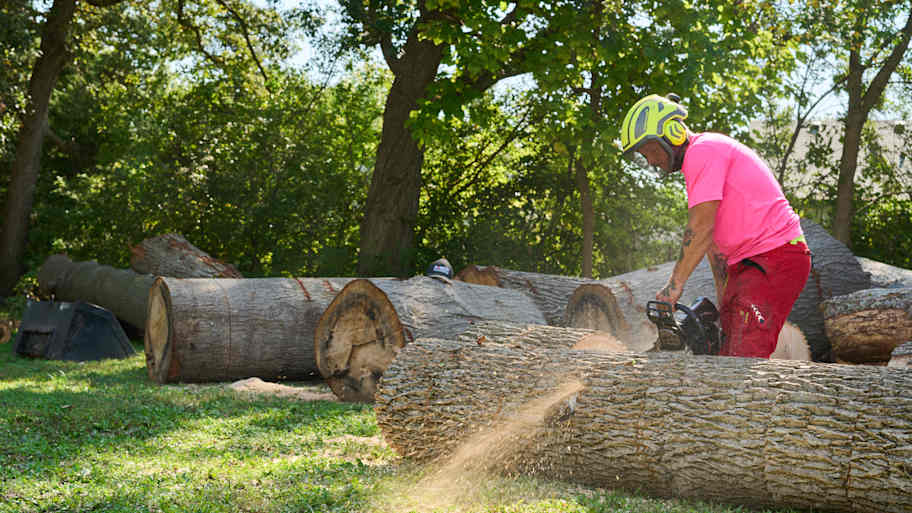
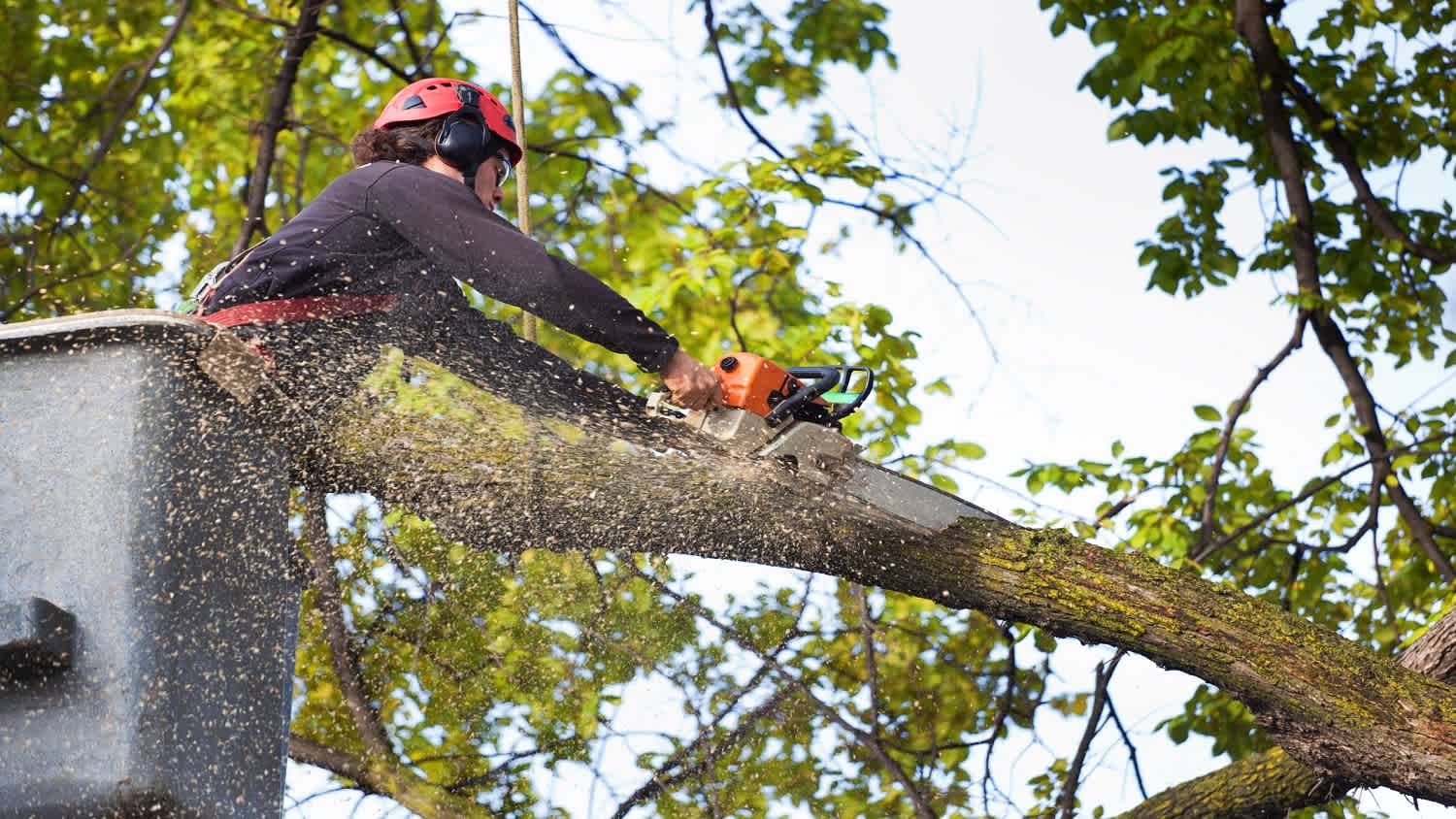
"I have utilized LG Tree Services on multiple occasions. We have had 2 trees removed and 2 trees trimmed. These occurred over a 3 year period. Levi and his crew did a great job each time. They arrived on time and worked very quickly and efficiently. They cleaned up the work site after completing the job. The price was very reasonable.
Levi understands how these type of jobs can be somewhat disruptive to the families. He is family man himself and wants to be as less disruptive as possible.
I would definitely recommend LG Tree Services and have done so a couple of times."
Ernz Painting is dedicated to providing our customers with the best quality and craftsmanship. We are here to build relationships with our customers and communities. No job is too big or too small! We look forward to working with you!
Transplanting a palm tree is a similar process except for a couple of important differences. First, their root ball doesn’t need to be as large as a “true” tree, which makes them a bit easier to dig up and move around. Second, they struggle more with taking root and staying upright in a new location, so it’s important to give them extra support when staking.
Unfortunately, if you cut the top off a palm tree, it will die. Instead of budding or branching out, the top begins to slowly rot. That's why having a professional tree trimming at least twice a year is a good idea. If you don’t have experience with trimming your palm tree, you might accidentally cut the top off, leaving a dead and rotting tree in your wake.
The best time to prune Japanese flowering cherry trees depends on where you live and the type of flowering cherry tree. Some trees benefit from being pruned toward the end of winter or early spring, after the last freeze. Meanwhile, other trees do well after blooming, in late spring or early summer. Avoid pruning your flowering cherry tree in the early winter, as this encourages open wounds that can lead to infections or infestations.
Completely topping a plum tree is a risky business. Cut too much, and you’ll kill your tree. That said, you do need to trim the top of your tree to encourage bushy growth, maintain your tree’s vase shape, and limit size.
A plum tree's central leader (or trunk) should never extend more than 3 feet above the highest branch. When you first plant your tree, cut the central leader so it’s 2 to 3 feet tall. As it grows, cut it back 12 to 20 inches until it reaches its desired height. Never prune more than one-third of the new growth.
Aside from removing dead or diseased branches, you should prune your trees somewhere between every one and three years. Some people—particularly commercial farmers—prune their apple trees yearly to produce higher yields. This is the best way to promote tree health. That said, the average homeowner can get away with hard-pruning their mature apple tree every other year or every three years.
The Alamo, NV homeowners’ guide to tree services
From average costs to expert advice, get all the answers you need to get your job done.
How much does an arborist cost? This guide explains the cost of different services, ongoing expenses, and other factors to consider when hiring an arborist.
Tree inspections can ensure your trees stay healthy and safe, preventing costly damage. Learn how much tree inspections cost and what can affect the price.
Follow these tips to learn how to find a good tree removal service. Doing a little research can help you save time and money when you need to say goodbye to your trees.
You suspect that the leaning oak tree in the back needs to come down, but can you just handle it yourself? Here are the pros and cons of calling a tree service.