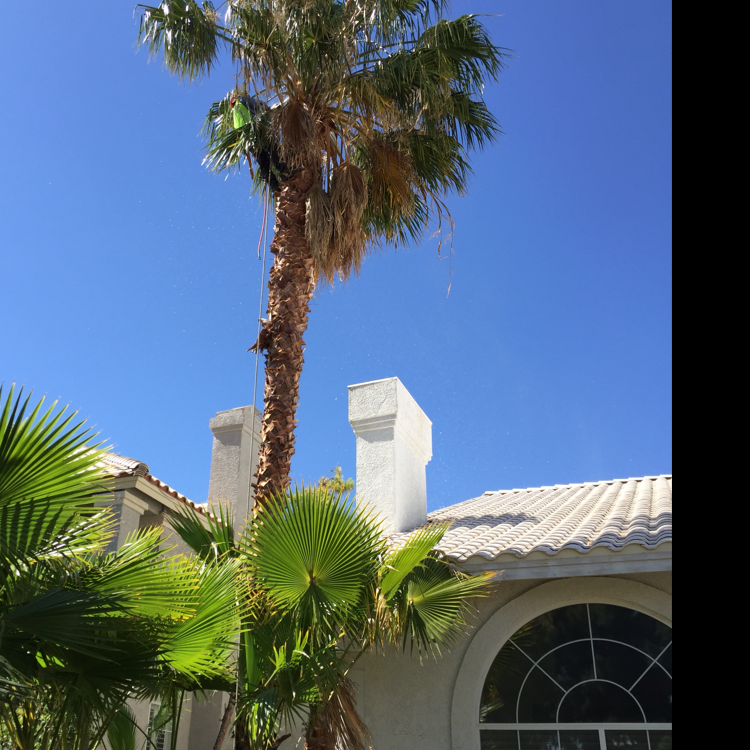
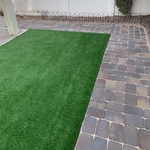
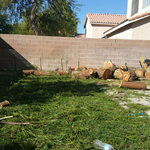
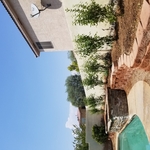
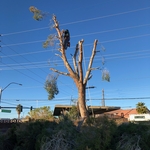
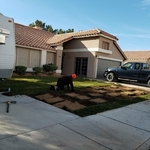
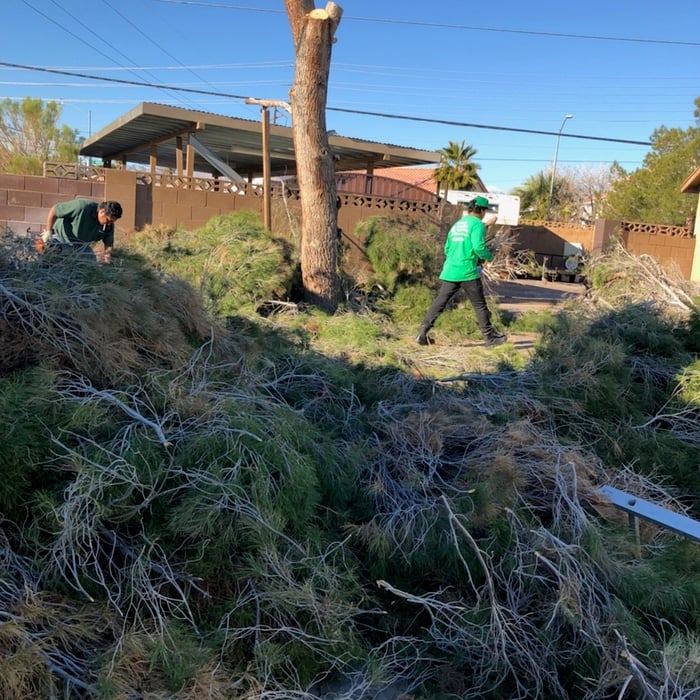
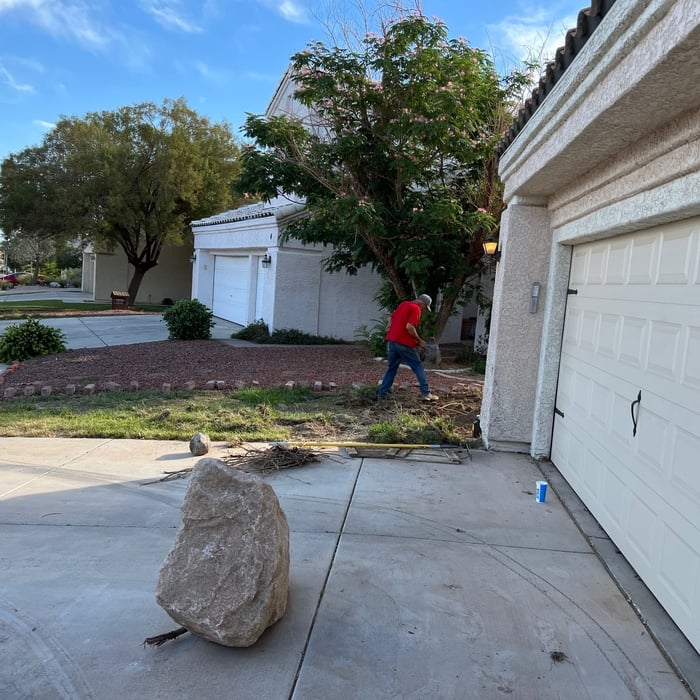
"They did a fantastic job, showed up on time and worked a full day finishing in just three days! I have had other jobs where the workers showed up whenever they wanted and jobs took forever to complete. I definitely recommend Vargas Tree Service and Maintenance for all of your landscaping needs and will be utilizing them again!!"
"Gomez Tree Service Landscaping Kept us informed as to when they would arrive the day of the service. They got right to work and accomplished all the tasks in about an hour including clean up of my driveway. I highly recommend them and will use them in the future."
"Whipple Tree Service is incredible! They genuinely care about your wants and needs and go the extra mile. I strongly recommend this business and would give them 10 stars if I could!"
We pride our company on reliability, great communication, integrity, and quality work. We are experts in our trade and will do our best to keep you as educated as we can on your particular task or project. We look forward to earning your business! Book with us online or feel free to give us a call today!
If you’re taking down a tree that you don’t suspect is affected by disease or pests and it’s nowhere near your home or other structures, then calling in a tree company should work fine. However, anything more involved means an arborist is a better option. These pros have years of experience with tree removal and can safely take down trees located next to structures, and they have the tools, sanitization equipment, and experience to remove sick or dying trees without infecting nearby trees.
Completely topping a plum tree is a risky business. Cut too much, and you’ll kill your tree. That said, you do need to trim the top of your tree to encourage bushy growth, maintain your tree’s vase shape, and limit size.
A plum tree's central leader (or trunk) should never extend more than 3 feet above the highest branch. When you first plant your tree, cut the central leader so it’s 2 to 3 feet tall. As it grows, cut it back 12 to 20 inches until it reaches its desired height. Never prune more than one-third of the new growth.
The depth of tree roots depends on the species. Trees like oaks and maples can have root systems that grow down 20 feet or more. However, trees that grow in shallow soils will have roots that go only a few feet down. Research how your tree species grows in your climate area to estimate root depth.
Leaf removal costs between $400 and $1,000per acre on average. Nationally, the cost of leaf removal averages about $350. Cost factors for this project include lawn size, leaf removal method, tree density, location, and the time required to do the job. If your lawn removal service charges based on lawn size, you can expect to pay $0.02 to $0.10 per square foot.
Opt for a barefoot tree. Pros harvest barefoot trees when they’re dormant (leafless). They shake the dirt from the root ball and pack it in moist material.
These trees can cost half as much as the trees at your local nursery, and you can buy them online—so there’s a much wider selection. Just make sure you keep your barefoot tree cool until you’re ready to plant it.
The Logandale, NV homeowners’ guide to tree services
From average costs to expert advice, get all the answers you need to get your job done.
How much does an arborist cost? This guide explains the cost of different services, ongoing expenses, and other factors to consider when hiring an arborist.
Tree inspections can ensure your trees stay healthy and safe, preventing costly damage. Learn how much tree inspections cost and what can affect the price.
Follow these tips to learn how to find a good tree removal service. Doing a little research can help you save time and money when you need to say goodbye to your trees.
You suspect that the leaning oak tree in the back needs to come down, but can you just handle it yourself? Here are the pros and cons of calling a tree service.