

Top-rated energy efficiency auditors.

Get matched with top energy efficiency auditors in Polvadera, NM

Enter your zip and get matched with up to 5 pros

Need a pro for your energy efficiency auditing project in Polvadera, NM?

Select your specific project to find the pro for you.

Find Energy efficiency auditors in Polvadera

Avatar for ADT Solar
ADT Solar
4.4(
111
)

Serving Polvadera, NM and surrounding areas

In business since 2008

Free estimates

Warranties offered

"Rep. checked entire system. He found several wires not connected properly and fixed this. He also made recommendations regarding the attachment of the panels to the rood that would provide more stability and leakproofing. The representative appeared to know what he was doing - much better than others, including the representative who was engaged by the roofer (who replaced our rood due to hail damage) to disconnect/connect the panels."
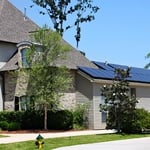
11 kW PV Installation
5 kW PV Installation
9.5 kW PV Installation
Recommended by89%of homeowners

Energy Efficiency Auditing questions, answered by experts

It’s not recommended to turn off your breaker box in hopes of saving electricity. Breaker boxes were not designed to constantly be switched on and off. Therefore, turning off breakers unnecessarily can cause costly damage that outnumbers any energy savings. Only flip your breakers if absolutely necessary when troubleshooting an electrical issue.

After you receive your audit and report, review the findings and determine which of the prescribed changes you want to make to improve your home’s energy efficiency. Start by contacting the type of professionals recommended by the auditor who can help you remedy the issues discovered during the audit. Prioritize the projects by urgency, importance, and budget. Then, gather estimates from several professionals, remembering to verify any necessary licensing and experience information.

To determine the right size generator for your house, you should calculate the total wattage of the appliances and devices you want to power during an outage. List all essential items, note their start-up wattages, and add them together.

Here are some typical wattage requirements for common appliances:

  • Refrigerator: 600 watts

  • Large dehumidifier: 700 watts

  • Large window air conditioner: 1,400 watts

  • Water heater: 3,000 to 4,500 watts

  • Electric furnace: 5,000 to 25,000 watts

A 7,500-watt generator might be sufficient for essentials like a refrigerator, freezer, well pump, and lighting circuits. However, for high-demand items like a water heater or furnace, a whole-home generator is a better choice. A portable generator may be enough if you only need to power a few critical items.

While home square footage can offer a rough estimate, it is not always a reliable indicator. For reference, here are some typical generator sizes based on square footage:

  • 1,000 sq ft: 6–9 kW

  • 1,500 sq ft: 7–10 kW

  • 2,000 sq ft: 10–14 kW

  • 2,500 sq ft: 12–16 kW

  • 3,000 sq ft: 16–20 kW+

For the most accurate sizing, consult a professional who can calculate your home's peak and average power consumption and recommend the optimal generator.

There are a couple of ways you can save on the cost of your home energy audit. First, find out if you qualify for programs like the Department of Energy’s Weatherization Assistance Program for low-income households. Next, check with your local utility company to find out if you qualify for any local rebate programs to offset the cost of this helpful service.

Keep the unit full but not overloaded, ensure door seals are tight, set correct temperatures, and avoid frequent door openings. Position the appliance away from heat sources for optimal performance.

The Polvadera, NM homeowners’ guide to energy efficiency auditing services

From average costs to expert advice, get all the answers you need to get your job done.