Auctioned Greenery
Lawn Care - Maintain and Mow a Lawn
Serving Jal, NM and surrounding areas
Approved
Auctioned Greenery is my company I have an ebay store and my other focus is lawn care/handyman. Ive been in construction for over 20 years.

Serving Jal, NM and surrounding areas
Approved
Auctioned Greenery is my company I have an ebay store and my other focus is lawn care/handyman. Ive been in construction for over 20 years.
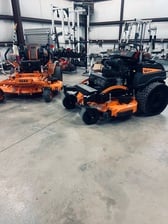
Serving Jal, NM and surrounding areas
Approved
Free estimates
Small jobs welcome
Offers commercial services
I run a lawn care service which includes mowing, edging, weed eating, hedge trimming, tree trimming and tree removal, seeding, weeding, deicing/salt spreading, junk/waste removal.
Serving Jal, NM and surrounding areas
Approved
Free estimates
Emergency services offered
Small jobs welcome
Locally home grown and native to the Odessa, Midland region. I offer a high value service with no hidden fees or charges. I offer payment plans for bigger jobs if necessary. I back up my work not only with my level of customer satisfaction but also professionalism and cleanliness. Offering mobile preventative maintenance on gas and diesel vehicles alike.

Serving Jal, NM and surrounding areas
In business since 2020
Credit card accepted
Offers commercial services
"I highly recommend them, they did a great job in my yard, my girls love it. I am very satisfied."

Serving Jal, NM and surrounding areas
In business since 2013
Free estimates
Credit card accepted
"Lawn Patrol removed five dead pecan trees and one mulberry tree. Their price was great, even with the bee problem in the mulberry. I look forward to working with them again."

Serving Jal, NM and surrounding areas
In business since 2021
Free estimates
Offers commercial services
"R&S cleaning service is great!!! The cleaning they did was great and amazing customer service. 10/10 recommend."
Serving Jal, NM and surrounding areas
In business since 2001
Free estimates
Credit card accepted
We are a locally owned and operated company that values honesty and integrity in all aspects of our business. We offer a variety of lawn care and landscaping services that are customizable to each individual property. We pride ourselves on the quality of our work as well as our commitment to outstanding results. We look forward to building lasting relationships with our clients and guarantee your satisfaction!
Serving Jal, NM and surrounding areas
In business since 2020
Free estimates
Pays great attention to detail and is very experienced in the craft.
Serving Jal, NM and surrounding areas
From average costs to expert advice, get all the answers you need to get your job done.

Before you set off on vacation, you’ll want to make some preparations for your plants. Learn how to keep your plants alive when you’re out of town in this guide.

How often you water new landscaping can make or break a budding backyard oasis. Here are some tips to give thirsty new plants a chance to thrive.
Gardening is about far more than a beautiful yard. Our beginner's gardening guide can help you extend your love of plants to the backyard and beyond.
From a bountiful backyard veggie garden to a lush indoor plant room, you can start the container garden of your dreams. Here’s what you need to know.
If you want to save money and help the environment, there are many ways to conserve water outdoors. These tips can help you start.

Does talking, or singing, to plants help them grow? Does dish soap deter pests? Can banana peels help plants grow? What's up with coffee grounds as fertilizer?