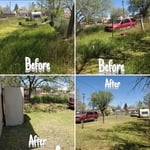
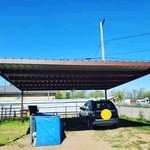
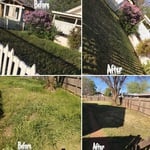
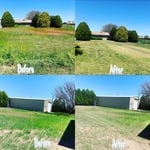
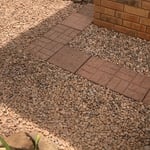
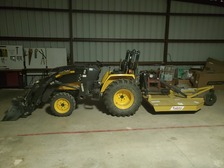
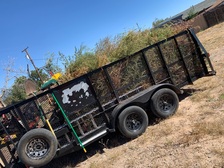
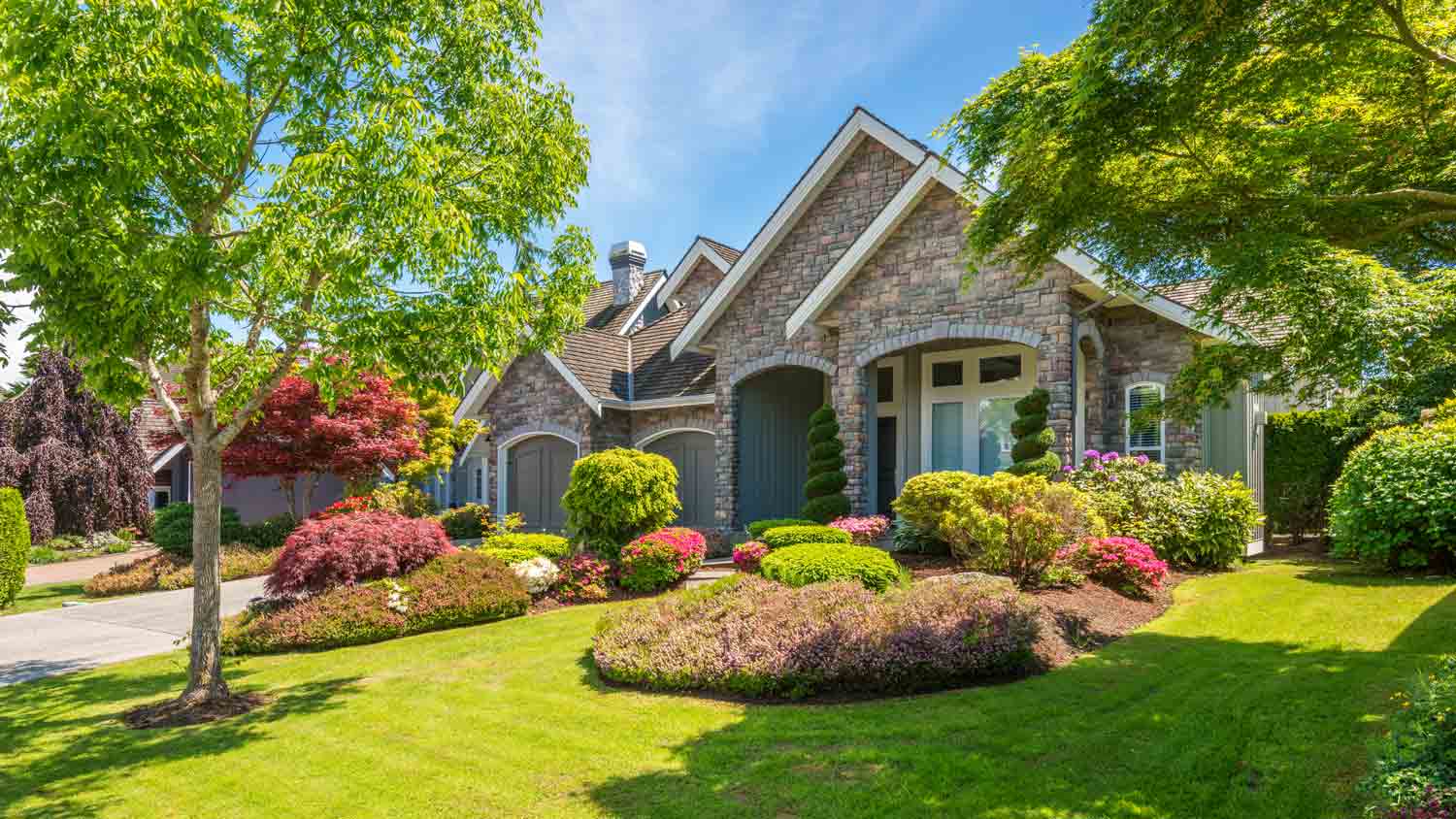
Flat Plains Landscaping is a family owned business we learned landscaping from our grandfather who owned his own business we offer all lawn care all basic services mow edge clean ups spraying hardscaping aerating tree trimming and tree removal
I run a lawn care service which includes mowing, edging, weed eating, hedge trimming, tree trimming and tree removal, seeding, weeding, deicing/salt spreading, junk/waste removal.
We offer only the best in quality workmanship and professional courtesy. We specialize in all phases of commercial and residential landscaping. We are committed quality work and outstanding results & are strongly involved in local community activities. We look forward to working with you!
We are a locally owned and operated company that values honesty and integrity in all aspects of our business. We offer a variety of lawn care and landscaping services that are customizable to each individual property. We pride ourselves on the quality of our work as well as our commitment to outstanding results. We look forward to building lasting relationships with our clients and guarantee your satisfaction!
Ernz Painting is dedicated to providing our customers with the best quality and craftsmanship. We are here to build relationships with our customers and communities. No job is too big or too small! We look forward to working with you!
Yes, you can mount a TV on plaster walls—as long as you attach it to the studs. Alternatively, you can use toggle bolts, molly bolts, or another type of hardware that’s strong enough to support a TV.
If you aren’t comfortable with this type of project, you can hire a pro. The cost of mounting a TV to a plaster wall ranges from $25 to $600 (or more), depending on the TV’s weight, size, and other factors.
While it’s most common to sand plaster dry, it is possible to wet-sand plaster, too. Doing so can reduce the amount of plaster dust released into the air and make it easier to work in smaller, more delicate areas (such as around wall trim). However, some people find that wet sanding leads to more imperfections, which is why larger walls are more often dry sanded to ensure an even finish.
The amount of drywall you need for a 1,000-square-foot basement depends on the ceiling height, angles, number of doors and windows, and more. To find the wall square footage, multiply the width and height of each wall, minus any gaps from windows or doors, and add the totals together. You’ll also need enough drywood nails or screws to install the drywall correctly.
Plaster is a beautiful finish but is labor-intensive to install and remove. It’s vulnerable to cracking and more sensitive to moisture variance than drywall. Installing plaster on a new wall is an expensive process that can take days to weeks, depending on the scope. Removing a plaster wall can also be quite expensive and time-consuming.
Yes, you can use drywall repair techniques for some types of plaster damage. Tiny holes and small cracks in plaster can be patched in similar ways to drywall. You apply the necessary compound to fill the hole, wait for it to dry, then sand it down. For larger damage, like water damage or mold, you need to use plaster-specific techniques and materials.
The Tatum, NM homeowners’ guide to plant watering services
From average costs to expert advice, get all the answers you need to get your job done.
Before you set off on vacation, you’ll want to make some preparations for your plants. Learn how to keep your plants alive when you’re out of town in this guide.
Does talking, or singing, to plants help them grow? Does dish soap deter pests? Can banana peels help plants grow? What's up with coffee grounds as fertilizer?