




Top-rated fence painters.

Get matched with top fence painters in Dexter, NM

Enter your zip and get matched with up to 5 pros

Need a pro for your fence painting project in Dexter, NM?

Select your specific project to find the pro for you.

TRUSTED BY DEXTER, NM HOMEOWNERS

  • Average homeowner rating star icon4.3
    Average homeowner rating
  • Verified reviews icon20
    Verified fence painting services reviews

Find Fence painters in Dexter

No results for Fence painter in

Try adjusting your search criteria.
Fence Painting questions, answered by experts

Limewash and whitewash are two techniques used to give brick a light, matte finish, but they differ in composition, application, and permanence. The best choice depends on your aesthetic goals and the specific surface.

Composition

  • Limewash: A natural and environmentally friendly option made from limestone, water, and sometimes pigments. It is breathable and soaks into porous surfaces like brick.

  • Whitewash: Traditionally made from lime, water, chalk, and binders, but a similar look can be achieved with watered-down white paint. It is paint-based and sits on top of the surface.

Appearance and Finish

  • Limewash: Provides a natural, textured appearance that allows the brick's character to show through. It offers a more traditional finish.

  • Whitewash: Creates a softer, more opaque finish, often used for a rustic or shabby-chic style.

Application and Permanence

  • Limewash: Is semi-permanent and can be removed, making it a good choice if you might want to change the look in the future. It requires more skill to apply and cannot be used on previously painted brick.

  • Whitewash: Is a more permanent solution. It is more forgiving to apply and can be used on painted brick. However, because it sits on the surface, it can trap moisture.

Ultimately, if you want a breathable, natural, and reversible finish for unpainted brick, limewash is a great option. If you need a more permanent, opaque coating that can be applied over painted surfaces, whitewash is the better choice. Whitewashing may also be more economical, costing approximately $1.40 to $4.20 per square foot.

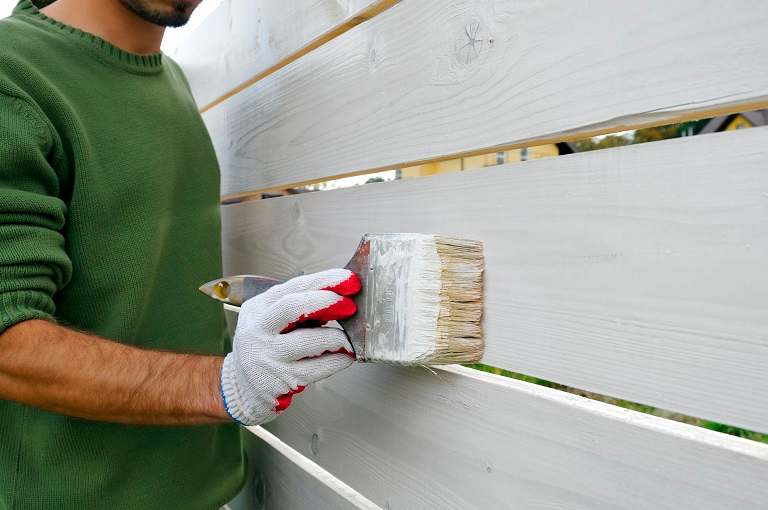
Moisture and rot are the largest threat to wooden fences. Stain can help your wood fence last 15 to 20 years, but only if you choose a stain with waterproofing qualities or add a sealant. Oil-based stains create a thicker moisture barrier than water-based stains, though both are mold and mildew resistant. You’ll generally need to re-stain your fence every one to eight years to get full protection.

You can weather a new wood fence by applying vinegar with steel wool as a way to fade some of the coloring. You may also find it easier to stain your entire fence a new color instead of trying to get newer fence boards to match an older one.

Applying a sealer or topcoat after staining wood is highly recommended, though not always strictly required. A sealer protects the wood from moisture, UV rays, and weather-related issues, which is especially important for outdoor surfaces like decks and fences. It also enhances the stain's durability, prevents fading over time, and gives the wood a cleaner, more professional-looking finish. For some indoor applications, a sealer may not be necessary, depending on the type of stain used and the level of protection needed. It's always best to check the stain manufacturer's recommendations and consider the wood's intended use and exposure when deciding whether to apply a sealer.

Regular staining, sealing, and inspecting for rot or insect damage prolongs fence lifespan.

The Dexter, NM homeowners’ guide to fence painting services

From average costs to expert advice, get all the answers you need to get your job done.