Overall costs depend on the fence height and length, prep work required, and labor if hiring professionals, ranging between $1 and $4 per square foot.
Maintain your wattle fence by inspecting it at least twice per year for loose weaving and degrading branches. Replace any seriously degraded sections, ensure water drains properly around the posts, and trim any sprouting branches if you used green wood. If you notice the weave loosening, you can often tighten it by gently pushing down on the top branches. You can also apply a natural wood preservative every two to three years to extend the fence's lifespan.
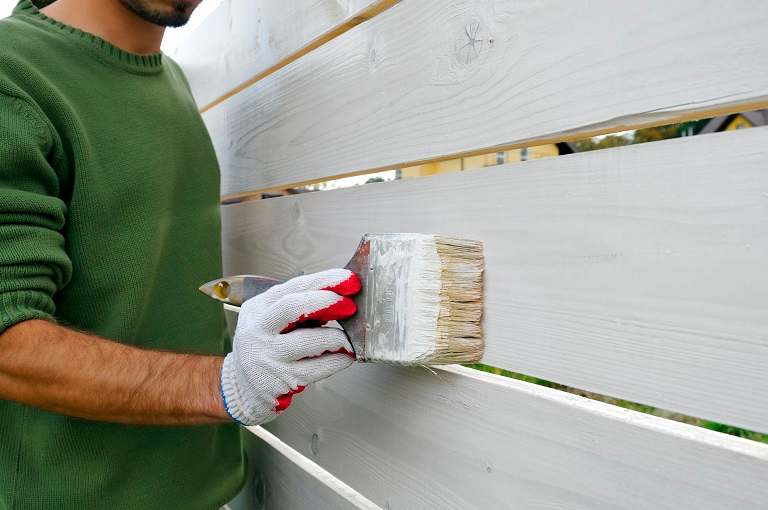
Staining or sealing a cedar deck or fence is highly recommended to extend its lifespan and protect it from the elements. While cedar is naturally resistant to mold and mildew, it is not impervious to damage from moisture, sun exposure, splintering, fading, and rot over time. Applying a protective finish creates a shield that preserves the wood's strength and appearance, potentially extending its life by five to 10 years.
When choosing a finish, it's helpful to understand the difference between a sealer and a stain. A sealer sits on top of the wood, whereas a combination stain and sealer soaks into the top layer. Because it penetrates the wood, a stain generally offers better protection against UV damage and rot and lasts significantly longer. For the best results that also preserve the wood's natural color, consider using a near-translucent stain.
To maintain protection, plan on reapplying the stain or sealer every two to three years, either as a DIY project or by hiring a professional.
Stain is meant to be absorbed by the porous wood, allowing some of the natural grain to show through. With that in mind, you don’t want to add more stain than the wood can absorb, as you risk covering up its natural markings. Generally, two coats is the maximum you should do, although very dense hardwoods may only be able to take a single coat.
Yes, many repair services include repainting to match the color of the existing siding or walls. Most professionals offer this service to ensure the repaired area blends in seamlessly.
The Fort Sumner, NM homeowners’ guide to fence painting services
From average costs to expert advice, get all the answers you need to get your job done.
The cost to paint a pool deck depends on the dimensions and material, the type of paint, and whether you DIY. Read on to help determine a project budget.
Thinking about fence painting and staining? Learn about material options, costs to expect, and how to hire the right local exterior painter for the job.