Yes, you can limewash surfaces other than brick. Plaster, stone, stucco, and concrete can all also be limewashed. Any porous surface that will absorb the wash is a good candidate for limewash, although it won’t help much with waterproofing. If you choose to limewash over paint, you’ll need to prep before applying it to avoid a powdery, chalky finish. Shiny surfaces like metal or glass can’t absorb limewash, so it’s not suited for these.
An exterior paint job typically lasts between 5 and 10 years, though this can range from 3 to 17 years depending on several factors. The longevity is influenced by the quality of the paint and primer, the quality of the application, the local climate, and the type of surface being painted. For example, paint on wood siding may need to be redone every 3 to 7 years, while painted brick can last up to 17 years. Aluminum siding often needs repainting every 5 years.
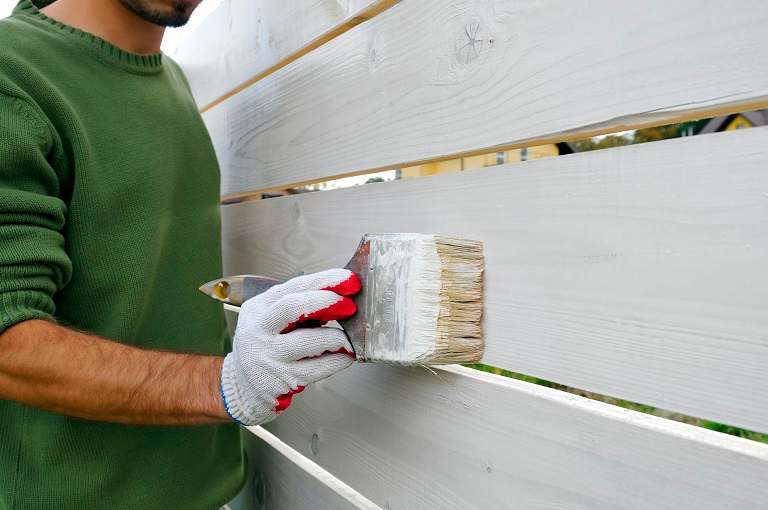
You should stain both sides of your fence to get the full benefits. Fences often fall along property lines, so you may want to save a buck by leaving your neighbor’s side in the dust. If you do that, all you get is a slightly better view. Moisture and UV rays can still sneak in through the side that’s unpainted or worn down and damage your fence. Rot and rust will spread, even if you can’t see it from your side of the lawn.
If it rains after you paint your fence, you may need to apply another coat of paint after the fence thoroughly dries. This will ensure a good seal if the rain weakened any areas of the paint. However, if your paint had enough time to dry thoroughly before it rained, you should have no problem.
Applying a sealer or topcoat after staining wood is highly recommended, though not always strictly required. A sealer protects the wood from moisture, UV rays, and weather-related issues, which is especially important for outdoor surfaces like decks and fences. It also enhances the stain's durability, prevents fading over time, and gives the wood a cleaner, more professional-looking finish. For some indoor applications, a sealer may not be necessary, depending on the type of stain used and the level of protection needed. It's always best to check the stain manufacturer's recommendations and consider the wood's intended use and exposure when deciding whether to apply a sealer.
The Loving, NM homeowners’ guide to fence painting services
From average costs to expert advice, get all the answers you need to get your job done.
Thinking about fence painting and staining? Learn about material options, costs to expect, and how to hire the right local exterior painter for the job.
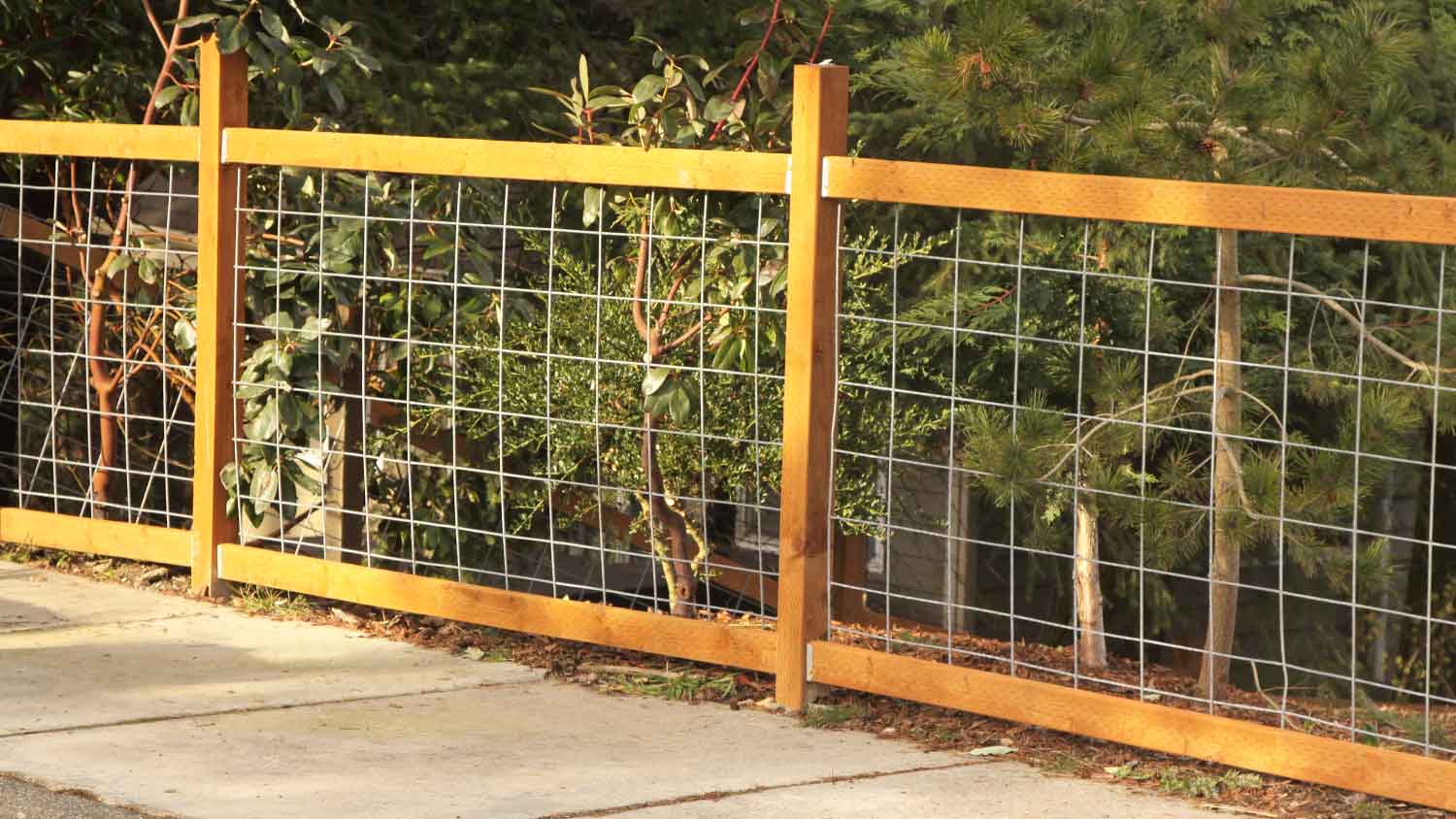
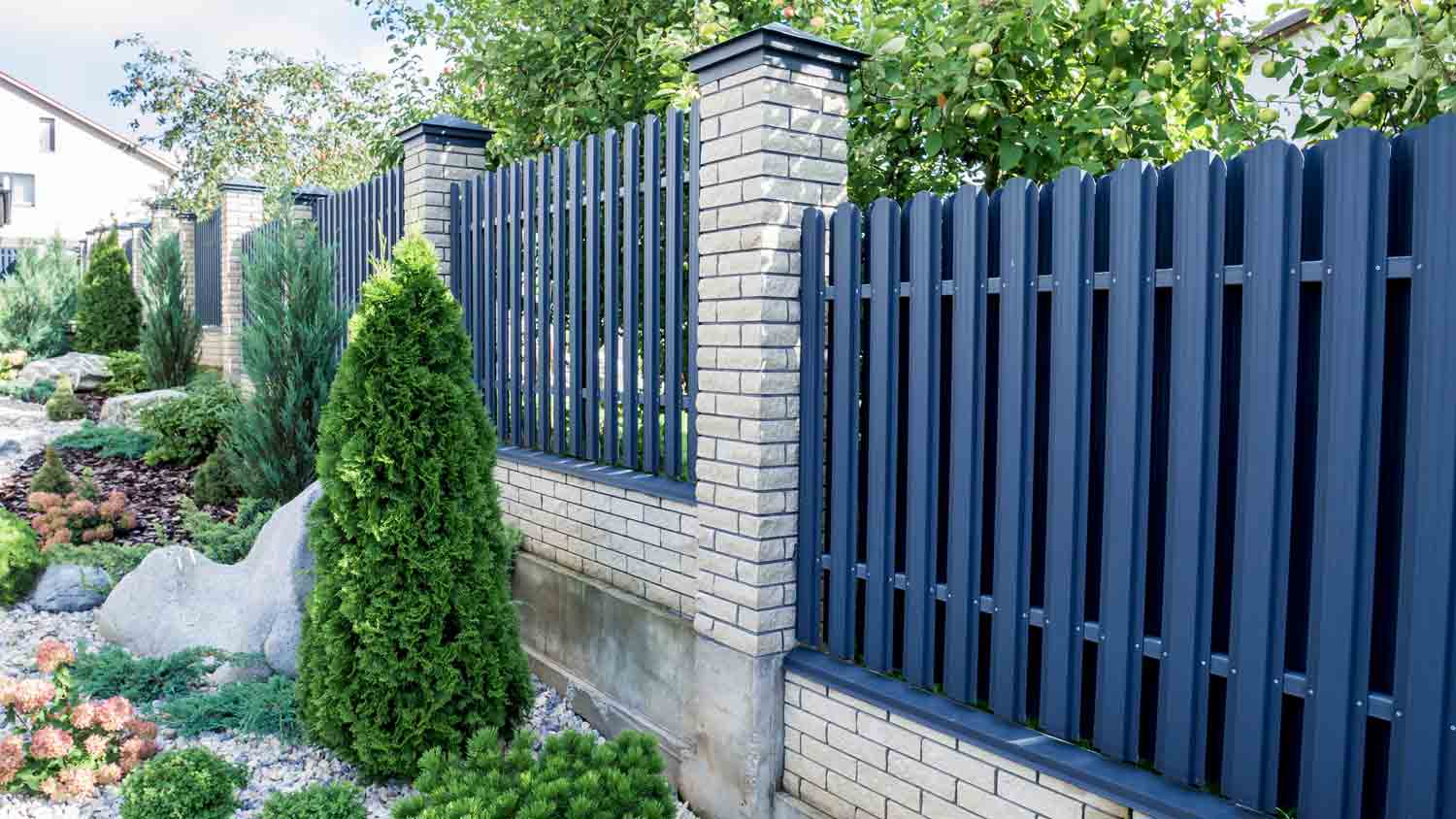
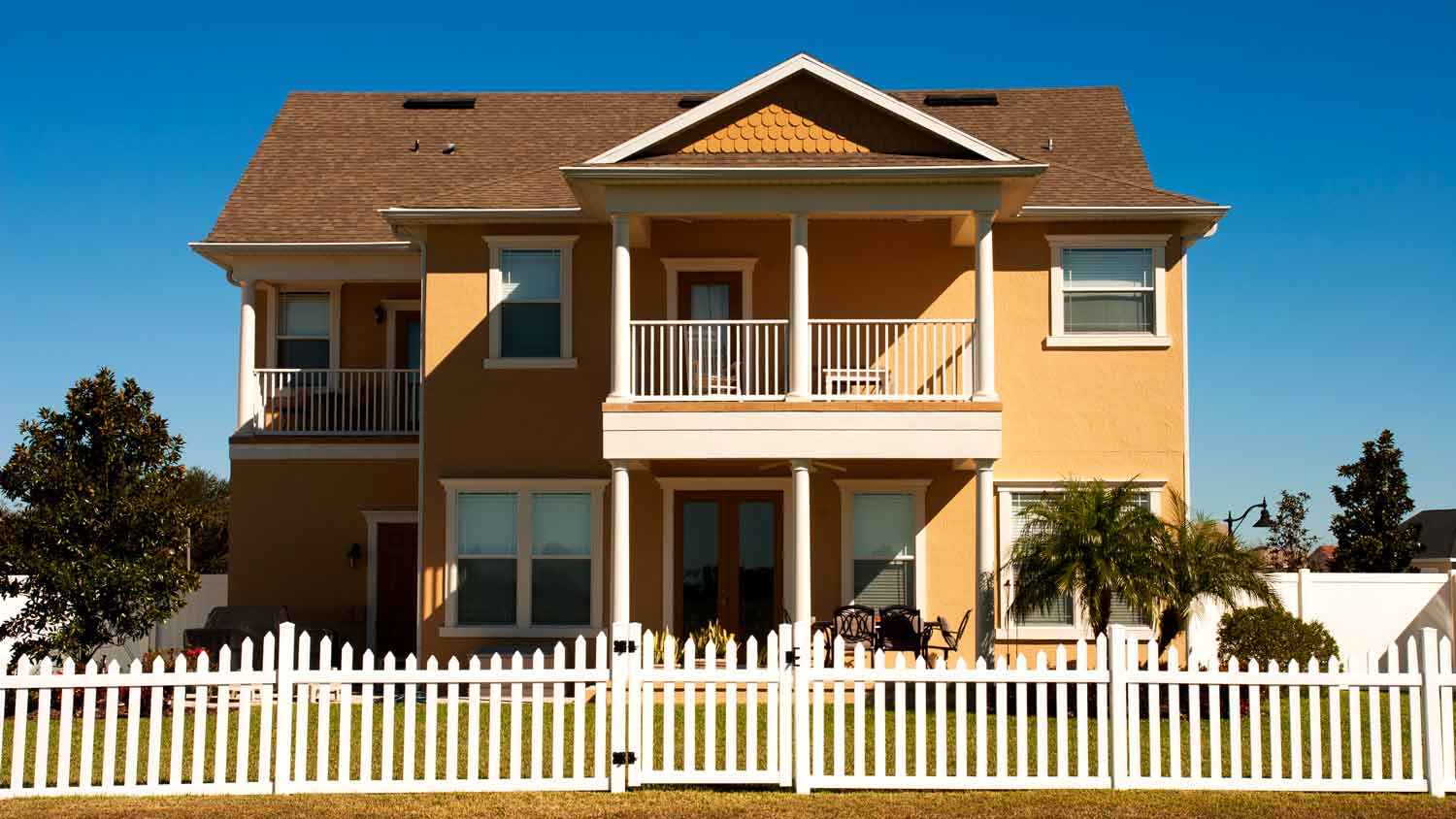
Deciding on the best fence paint color is difficult. This guide will help you choose a shade that creates the right vibe alongside your house color and landscaping.