




Top-rated fence painters.

Get matched with top fence painters in Hondo, NM

Enter your zip and get matched with up to 5 pros

Need a pro for your fence painting project in Hondo, NM?

Select your specific project to find the pro for you.

Find Fence painters in Hondo

No results for Fence painter in

Try adjusting your search criteria.
Fence Painting questions, answered by experts

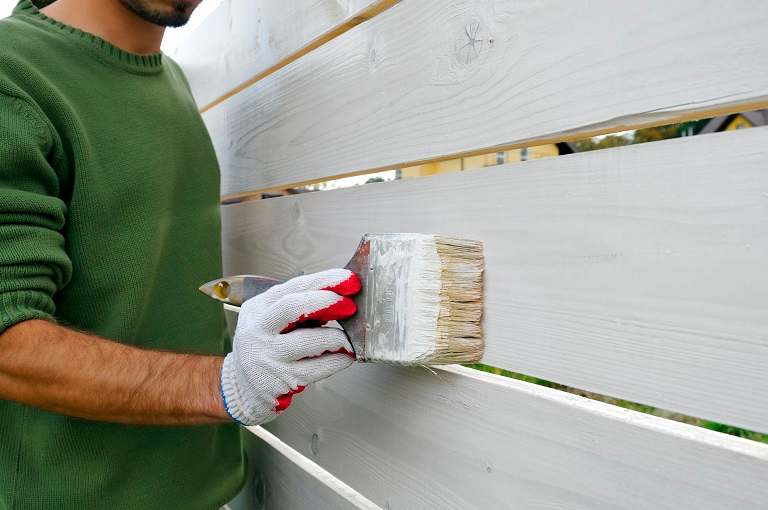
On most untreated wood fences, there is no need to sand before treating. You typically only need to sand if there’s an old coat of paint or stain on your fence. If you do need to sand off a previous paint or protective coating (like an old stain or sealant), use medium-grit sandpaper.

You should stain both sides of your fence to get the full benefits. Fences often fall along property lines, so you may want to save a buck by leaving your neighbor’s side in the dust. If you do that, all you get is a slightly better view. Moisture and UV rays can still sneak in through the side that’s unpainted or worn down and damage your fence. Rot and rust will spread, even if you can’t see it from your side of the lawn.

The best time to stain a fence is when the weather is dry and temperatures are between 50 and 90 degrees Fahrenheit. Late spring, early summer, and fall are typically the best seasons for this project. You should avoid staining during very hot weather, like in the middle of summer, or when it is raining. Heat and moisture can cause the stain to dry unevenly. Likewise, if it's too cold, such as in winter or early spring, the stain may not be able to dry fully. Before you start, check the forecast to ensure there will be no rain and low humidity for at least a few days.

You shouldn't paint a metal fence. Painting doesn't necessarily damage a corrugated metal fence, but these types of fences are meant to flex, and paint can easily chip and break off. Latex paints can address this issue, but those tend not to be very weather-resistant. Certain paints can trap moisture in the corrugation, which can rust the metal and lead to corrosion. And finally, if you paint a copper fence, it won't patina, which is one of the main reasons people buy copper.  

Staining or sealing a cedar deck or fence is highly recommended to extend its lifespan and protect it from the elements. While cedar is naturally resistant to mold and mildew, it is not impervious to damage from moisture, sun exposure, splintering, fading, and rot over time. Applying a protective finish creates a shield that preserves the wood's strength and appearance, potentially extending its life by five to 10 years.

When choosing a finish, it's helpful to understand the difference between a sealer and a stain. A sealer sits on top of the wood, whereas a combination stain and sealer soaks into the top layer. Because it penetrates the wood, a stain generally offers better protection against UV damage and rot and lasts significantly longer. For the best results that also preserve the wood's natural color, consider using a near-translucent stain.

To maintain protection, plan on reapplying the stain or sealer every two to three years, either as a DIY project or by hiring a professional.

The Hondo, NM homeowners’ guide to fence painting services

From average costs to expert advice, get all the answers you need to get your job done.