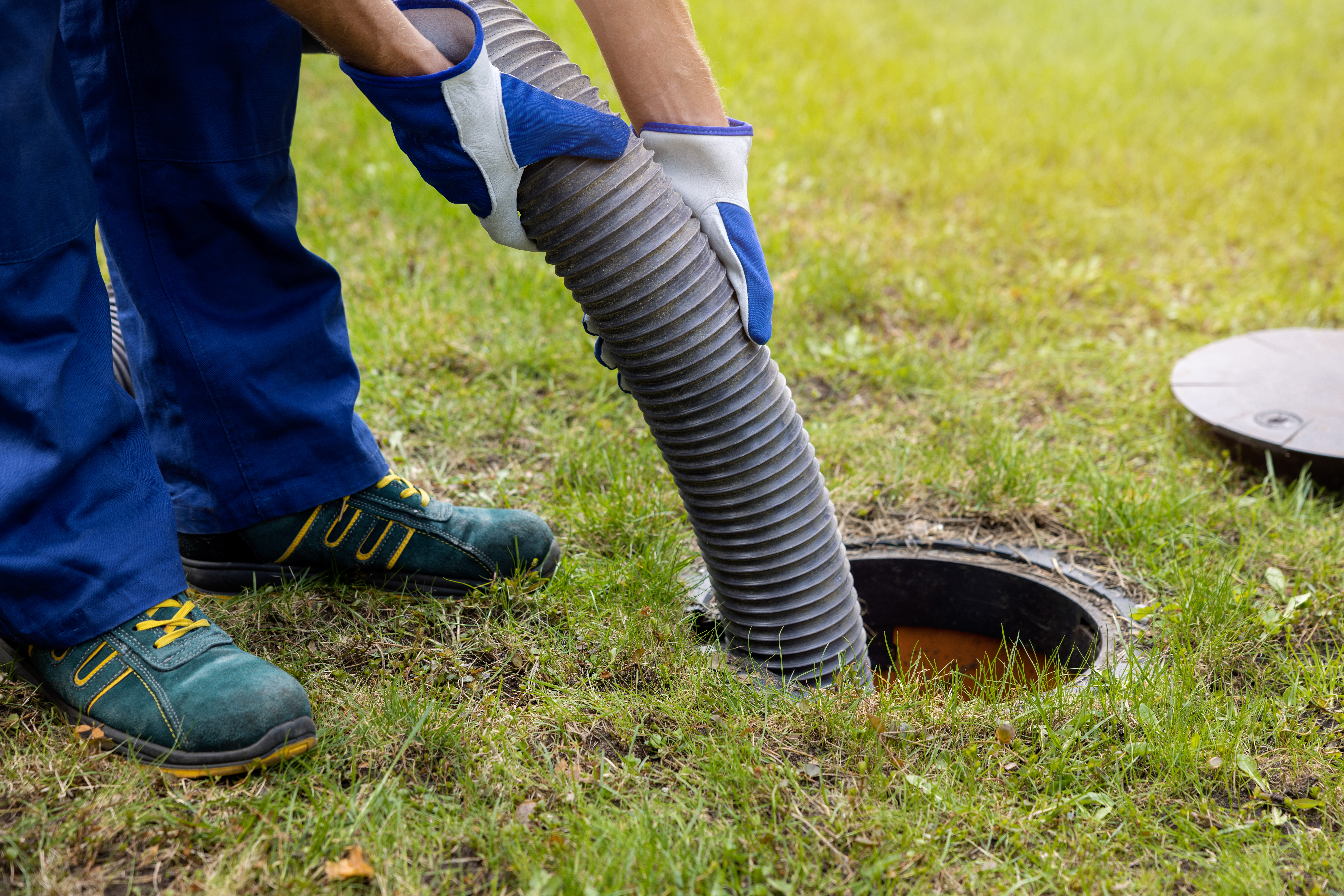






Top-rated well and pump technicians.

Get matched with top well and pump technicians in Continental Divide, NM

Enter your zip and get matched with up to 5 pros

Need a pro for your well and pump service project in Continental Divide, NM?

Select your specific project to find the pro for you.

Find Well and pump technicians in Continental Divide

Avatar for American Home Shield – Home Warranty
American Home Shield – Home Warranty
3.5(
5,688
)

Serving Continental Divide, NM and surrounding areas

In business since 1971

Credit card accepted

"Well, the first time the replacement was ordered it was the wrong one, which of course, delayed the installation a week. When it was finally installed I had to pay an additional $850 for code upgrades. This I was not informed of by Home Shield. Then we noticed that there was water on the garage floor and found that the pipe coming in from the wall was leaking at the wall so had to call the plumbing company back out to fix it. They first tried to say it was not their fault but since there wasn't a leak before they installed they did fix it. I have used Home Shield a few times before and never had a problem. Some of the companies they use are not the best so you have to research them before you commit. I have found HS service to be good if you do your homework. At the end of the day I was without hot water for almost 3 weeks but it was do to the plumbing company they sent out."
Additional Photos
Additional Photos
Additional Photos
Additional Photos
Additional Photos

+2

Recommended by65%of homeowners

Wells and Pumps questions, answered by experts

No, a larger well pressure tank will not increase your home's water pressure by itself. Water pressure is determined by the pressure control switch on the well pump.

However, a larger tank does offer other benefits. It can store more water, which allows you to run water for longer periods before the pump needs to turn on. This reduces how often the pump cycles on and off, leading to less wear and tear on the pump and the entire well system. Consequently, a larger tank can help extend the life of your equipment and may prevent future pump issues that could affect water pressure.

If your goal is to increase water pressure, consider these alternatives:

  • Adjust the pressure settings on your tank to a higher PSI (pounds per square inch).

  • Replace your current pump with a model that has a higher flow rate, measured in gallons per minute (GPM).

  • Have a professional install a water pressure booster pump in your plumbing system.

  • If you experience pressure fluctuations, consider upgrading to a constant pressure system.

Wells should be at least 100 feet deep for drinking water, but they may need to be deeper depending on the local geology, water quality, and your household’s water usage. Work with a qualified well drilling professional who can assess the appropriate depth for your well and test the water before drinking it.

Some states and municipalities restrict well pump repair and replacement to licensed plumbers and technicians, while others don’t have requirements. However, it’s always a good idea to hire a certified plumber to repair or replace well pumps and water pumps. Certified professionals are far more likely to get the job done correctly and prevent future issues, which is especially important for ensuring access to clean water for your home.

Both can deliver clean water to your taps, but well water and city water carry a few differences. City water is delivered and connected through a main water line, and it travels through a network of underground private and public pipes to service various buildings and structures once it’s been treated.

Well water is derived from dug or drilled wells that source groundwater from the water table. City water is often more expensive than well water, but it eliminates the need for you to test and treat your own well water.

The pressure in a well pressure tank should be set 2 to 3 PSI below the pump's cut-on pressure. The cut-on pressure is the lower number in the pressure setting (e.g., the '30' in 30/50 PSI) and is the point at which the pump starts. The cut-out pressure is the higher number, where the pump stops.

For example:

  • If your pressure switch is set to 30/50 PSI, the tank pressure should be 27-28 PSI.

  • If your pressure switch is set to 40/60 PSI, the tank pressure should be 38 PSI.

Common pressure settings for household applications include 20/40, 30/50, and 40/60 PSI. The difference between the cut-on and cut-out pressure is typically 20 PSI.

The Continental Divide, NM homeowners’ guide to well and pump services

From average costs to expert advice, get all the answers you need to get your job done.