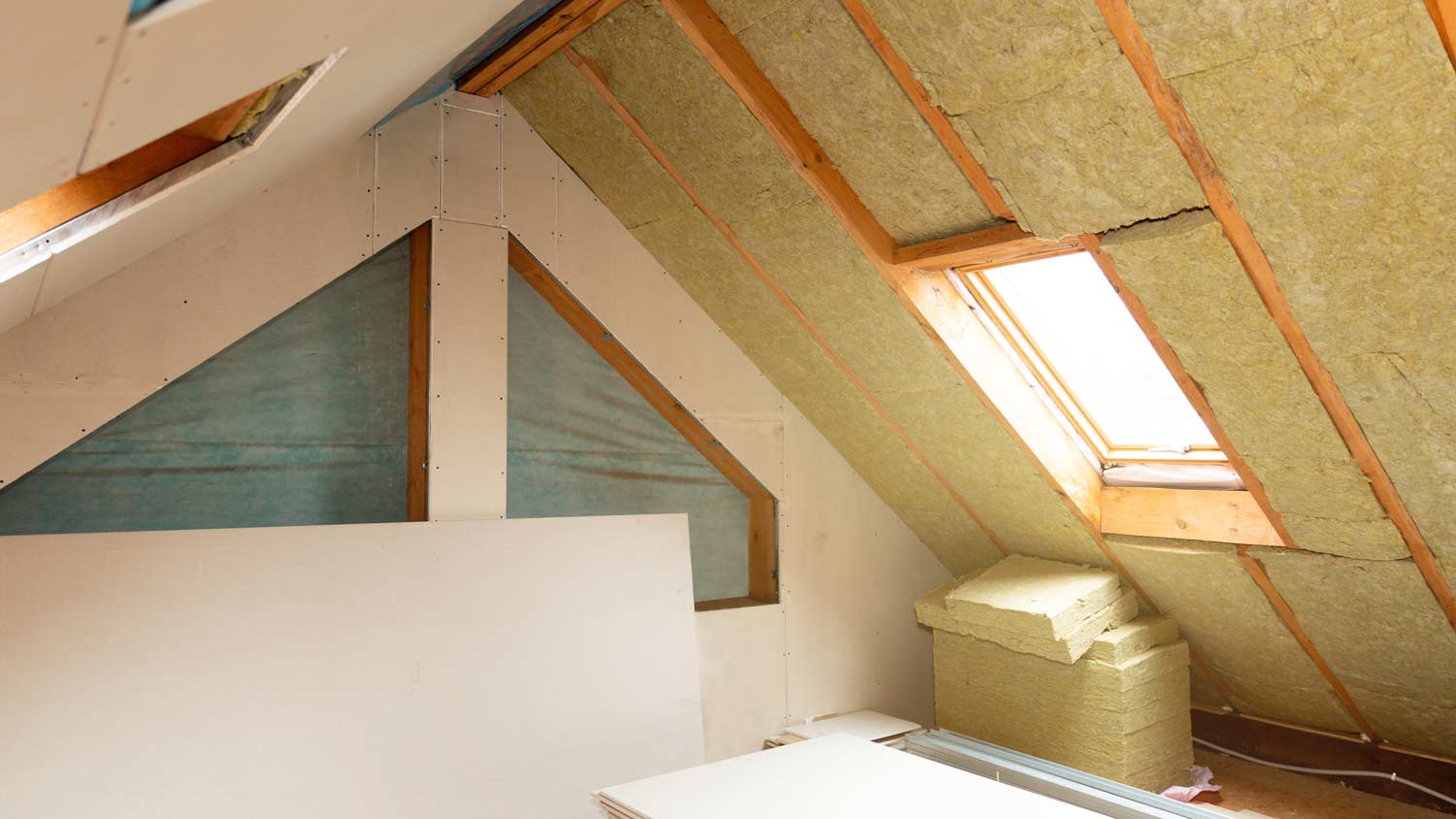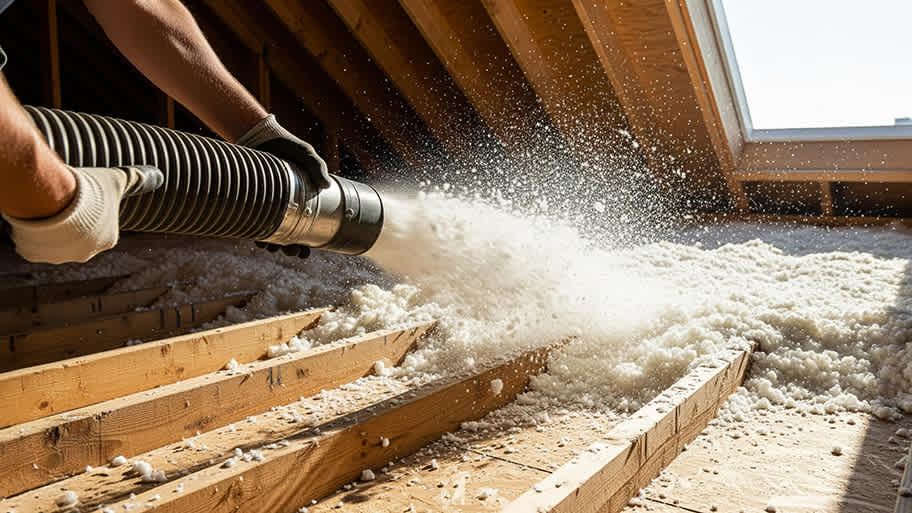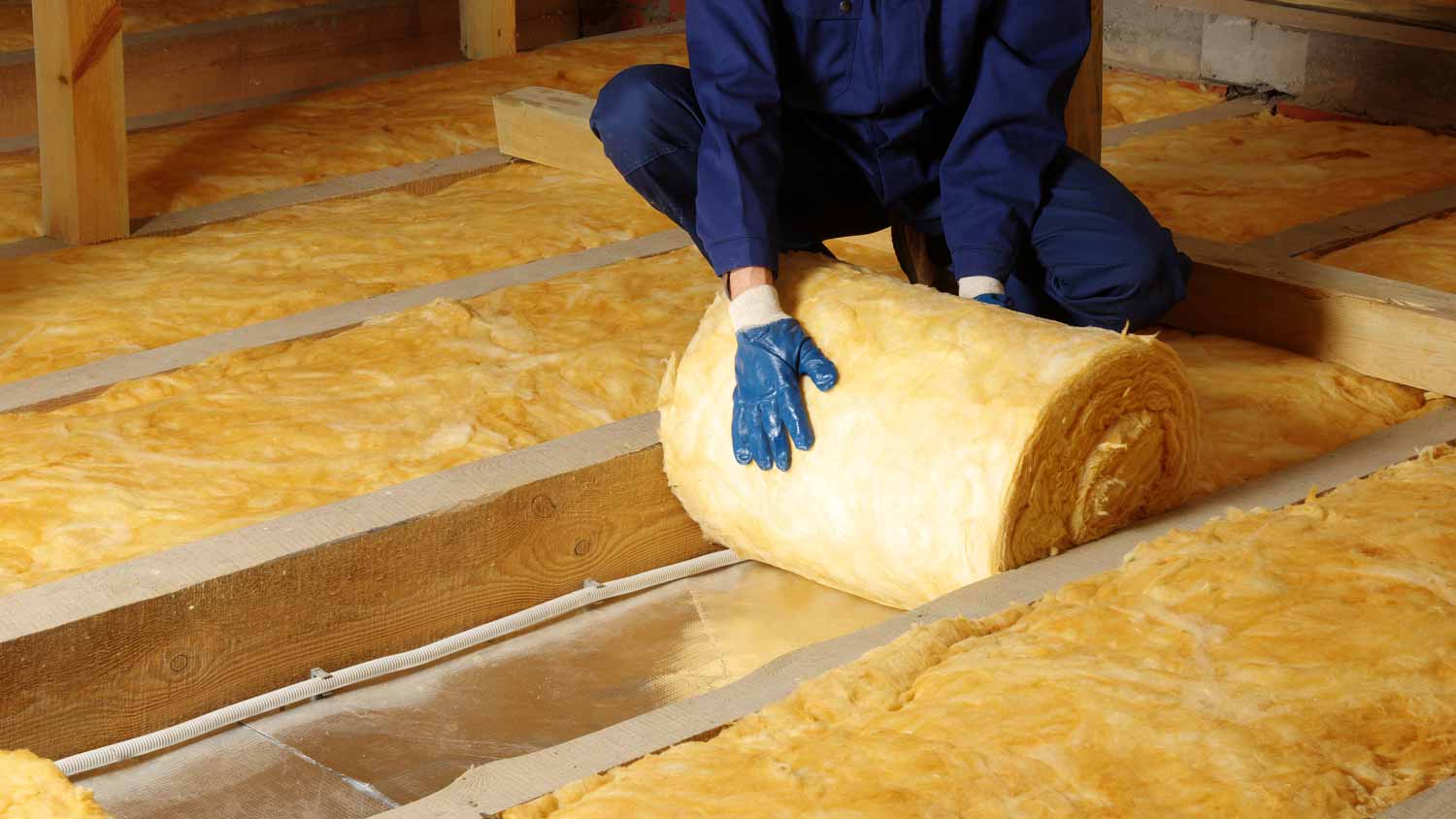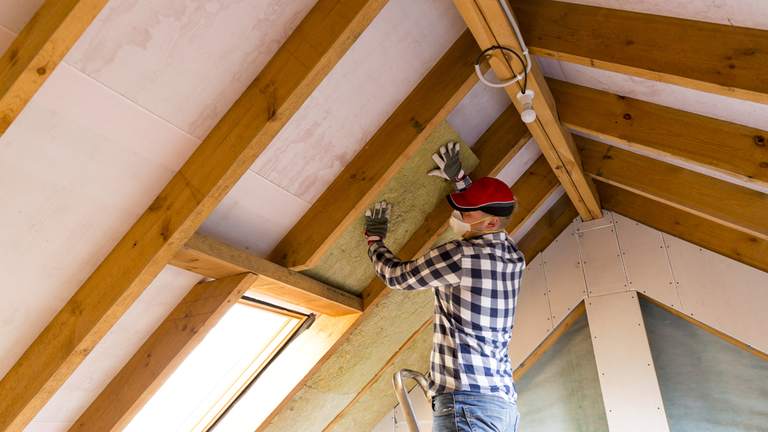





The best type of attic insulation depends on where you live, your budget, and what stage of construction the attic is in. For example, if you're building a house, then structural insulated panels are a worthy investment since they're easy to install during construction and they're the most energy-efficient type of insulation.
Additionally, if you live in a very warm climate, then you can potentially save quite a bit of money by opting for reflective insulation, which is more affordable than comprehensive insulation but doesn't work well for cool climates. Blown-in, loose-fill, and spray foam insulation are all great options for attics in moderate climates.
Water freezes at 32 degrees Fahrenheit, but the actual temperature that can cause frozen pipes can vary. Generally, it takes 12 hours for pipes to freeze at 32 degrees Fahrenheit.
Uninsulated pipes can freeze if it’s 20 degrees Fahrenheit or colder for over three hours. If your pipes are insulated, it can take six hours or longer for pipes to freeze. Note that some pipe types freeze more often than PEX pipes. Copper pipes freeze more often because the copper conducts energy and loses heat quickly.
Generally, the cost of ice dam removal is not covered by homeowners insurance because it is often considered preventable maintenance. However, the damage caused by ice dams is frequently covered. Depending on your policy, this can include interior water damage, roof collapses, and damage to shingles. Coverage for personal belongings affected by leaks may vary. It is important to check your policy details or contact your insurer to confirm what your plan covers. Keep in mind that any damage resulting from a DIY attempt to remove an ice dam will likely not be covered.
Plaster itself has a higher R-value than drywall. However, there are other considerations surrounding plaster and insulation. As a general rule, it's easier to obtain consistency in insulating value and quality when working with drywall rather than plaster. Plaster walls often don't contain any insulation behind the wall covering by design, and careful evaluation is necessary when choosing to add it.
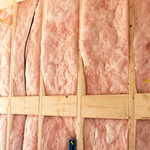
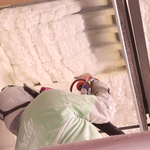
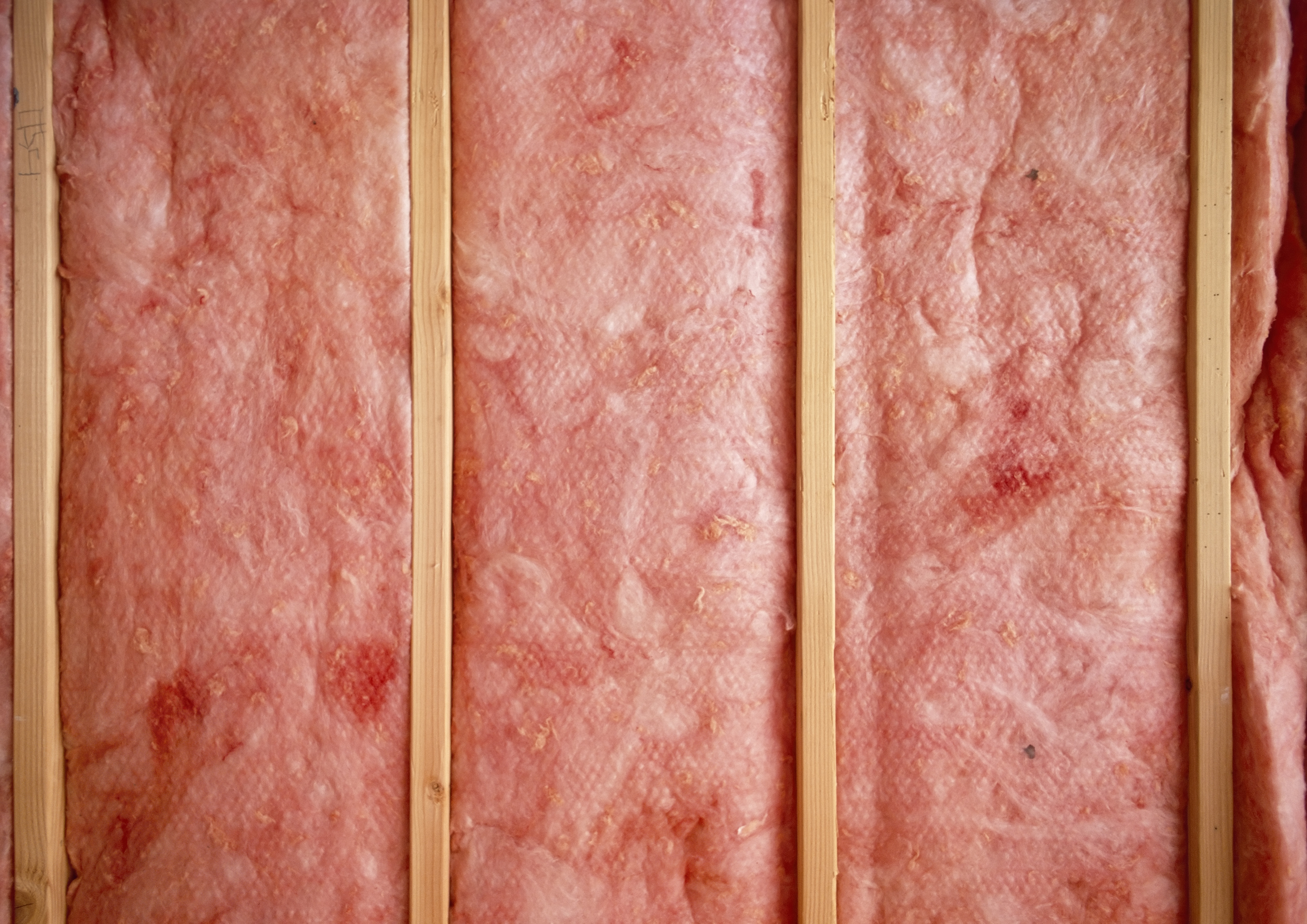
While there are many different kinds of insulation, spray foam, blown-in, foam board, and batt and roll are the four types you’re most likely to see. That doesn’t mean they’re alike, though. Each one varies drastically in terms of cost, materials used, and how they’re installed—not to mention, how well they limit heat transfer.
The Continental Divide, NM homeowners’ guide to insulation services
From average costs to expert advice, get all the answers you need to get your job done.
Insulating your attic can massively improve your home’s efficiency and reduce electric bills. Use this guide to find out what attic insulation will cost you.
Learn how to decide if your home needs dryer vent insulation to protect your vent from drafts and moisture that can make your energy usage less efficient. Poorly ventilated dryer vents also increase mold risks!
Read our step-by-step guide and learn how to remove fiberglass insulation. Our instructions will help you remove this tricky material quickly and safely.
If your home’s temperature is uncomfortable or your energy bill is spiking, you should check your insulation. We'll help you find out if you should replace it.