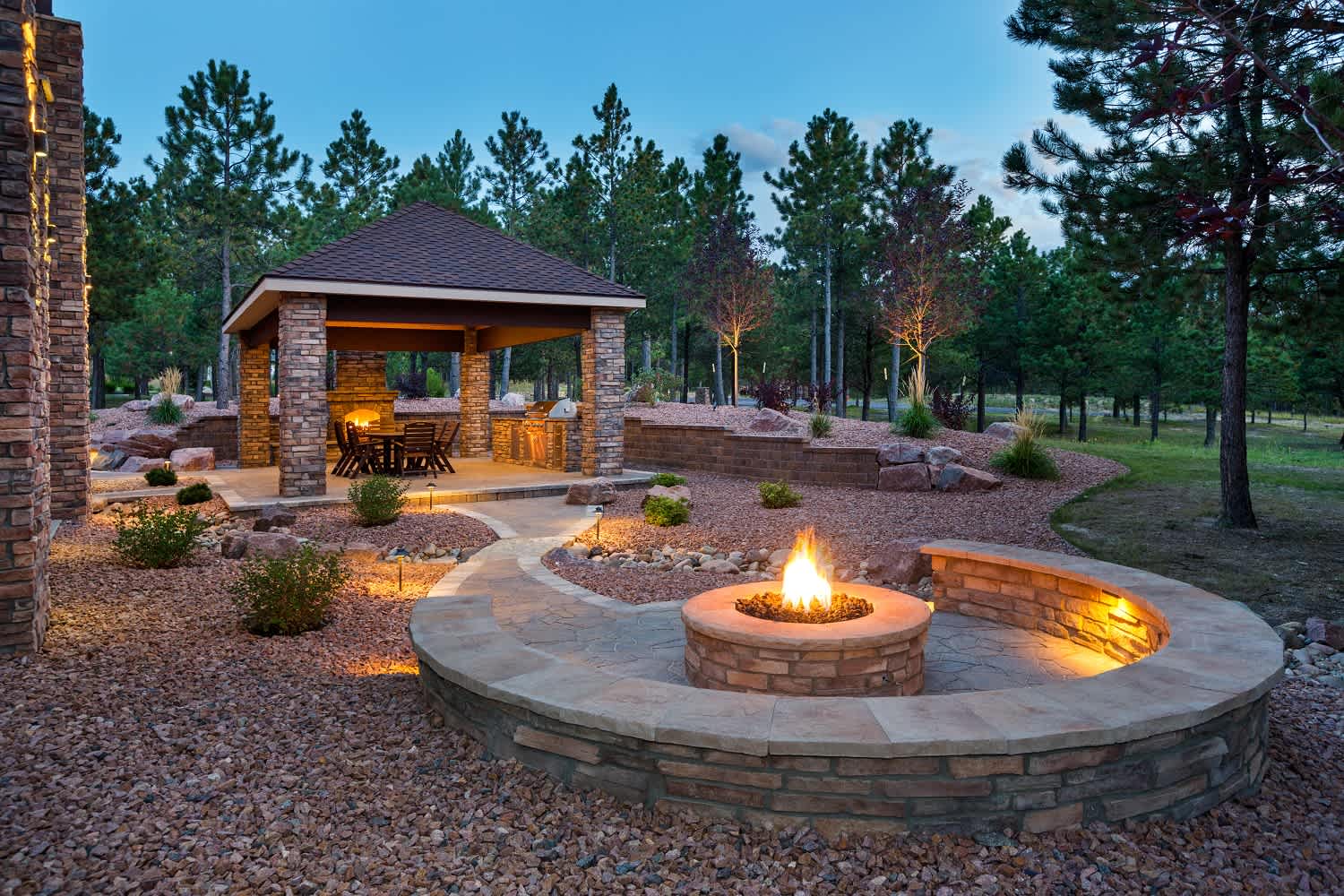









Top-rated fire pit installation pros.

Get matched with top fire pit installation pros in Bridgeton, NJ

Enter your zip and get matched with up to 5 pros

Need a pro for your fire pit installation project in Bridgeton, NJ?

Select your specific project to find the pro for you.

TRUSTED BY BRIDGETON, NJ HOMEOWNERS

  • Average homeowner rating star icon4.6
    Average homeowner rating
  • Verified reviews icon58
    Verified fire pit installation services reviews

Find Fire pit installation pros in Bridgeton

No results for Fire pit installation pro in

Try adjusting your search criteria.
Fire Pit Installation questions, answered by experts

Baking soda is an effective fire reduction method. However, flour and baking powder are very dangerous around flames. Flour is flammable and it can also conduct electricity. The combination can cause serious injury from electrical shock and worsen the situation by adding fuel to the fire. Baking powder is also not an option as it's also highly flammable. 

If your oven is new, then it’s likely that the oven smoking is due to it being a new unit. In this case, you don’t need to worry about the oven smoking. However, if your oven is old, you can’t identify any burnt food or grease that could be behind the smoking, or you have concerns about the heating element, then you should hire an oven technician to inspect your unit.

No, a chirping smoke alarm is usually a sign of an issue with the power supply of the unit. This is easily solved by replacing the battery to stop the smoke alarm from beeping. If the chirp continues, review the owner’s manual to determine the cause. These chirps are short and not as loud as the beeping of the alarm itself. If you can’t tell the difference, it’s best to treat it like an activated alarm until you find the cause. 

The primary disadvantage of a ventless fireplace is that it doesn’t have an exterior venting system. This means that the byproducts from combustion are emitted into your home, which raises some safety concerns. In addition, ventless gas fireplaces produce moisture as they burn—and if there’s no ventilation, you could end up with a mold problem.

No, but they both serve distinct life-saving purposes. Smoke detectors primarily sense the presence of smoke, typically caused by a fire, and emit loud alarms to alert occupants to evacuate. In contrast, carbon monoxide detectors monitor the levels of carbon monoxide gas, an odorless and colorless but deadly substance produced by incomplete combustion of fuels. When CO levels become dangerous, CO detectors sound alarms to warn inhabitants of potential poisoning risks. 

The Bridgeton, NJ homeowners’ guide to fire pit installation services

From average costs to expert advice, get all the answers you need to get your job done.