






Top-rated fire pit installation pros.

Get matched with top fire pit installation pros in Williamstown, NJ

Enter your zip and get matched with up to 5 pros

Need a pro for your fire pit installation project in Williamstown, NJ?

Select your specific project to find the pro for you.

TRUSTED BY WILLIAMSTOWN, NJ HOMEOWNERS

  • Average homeowner rating star icon4.3
    Average homeowner rating
  • Verified reviews icon234
    Verified fire pit installation services reviews

Find Fire pit installation pros in Williamstown

No results for Fire pit installation pro in

Try adjusting your search criteria.
Fire Pit Installation questions, answered by experts

Certified fire door inspectors should inspect fire doors. These professionals receive training to specifically assess the condition, functionality, and compliance of fire doors. They often hold credentials from groups like the Door and Hardware Institute (DHI) or the International Fire Door Inspector Association (IFDIA). While fire marshals won’t usually do hands-on inspections, they’ll check that doors are being maintained properly during routine safety audits. If a building relies on fire doors for code compliance, it needs someone who understands the details—the difference between a cosmetic issue and a safety failure—and standards to sign off with confidence.

Fire sprinkler systems give your home’s value a boost. Potential home buyers are looking for a safe place to settle, and a well-maintained sprinkler system can provide peace of mind. Plus, some homeowners insurance policies offer discounted rates for homes with this type of built-in system, thanks to the decreased risk of fire.
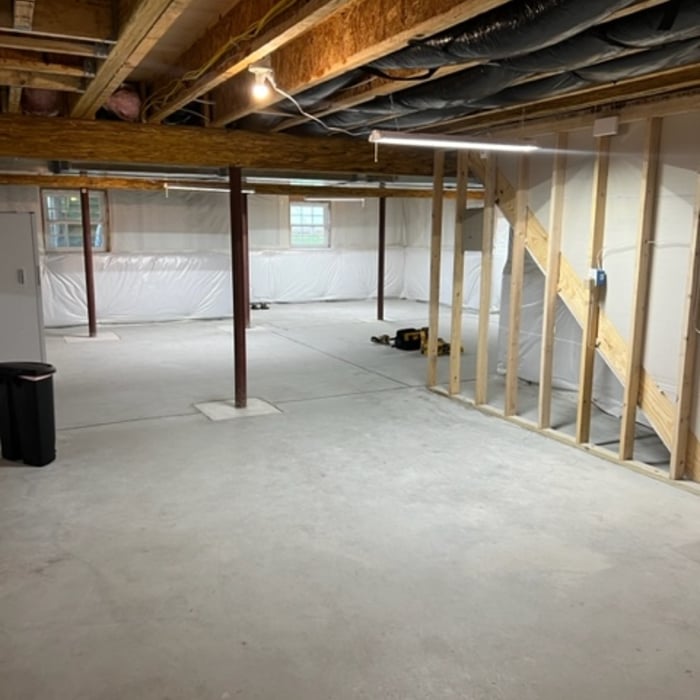
A home fire sprinkler system reduces heat, flames, and smoke within seconds. Fire sprinkler systems hide in walls with sprinkler heads running along the piping throughout your home.

When the air surrounding a sprinkler reaches a specific temperature, the heads closest to the fire activate and release anywhere from 10 to 25 gallons of water per minute.

Generally, an oil furnace is considered safer than a gas furnace for several reasons. While both types of furnaces can produce carbon monoxide, a leak in an oil furnace is easier to detect due to the smell. Oil furnaces also don't connect to a gas pipeline, which reduces the chance of a fuel leak. Most importantly, heating oil is not combustible, whereas natural gas is highly flammable. This means there is a much lower risk of combustion or explosion with an oil furnace. However, an oil furnace can still pose a fire hazard if it tips over.

You should change the batteries in your smoke detectors at least once per year. Mark it on your calendar or make it a holiday or birthday tradition so that you always remember it. You should also be testing your smoke alarms monthly to ensure they’re working properly and can alert you in case of an emergency.

The Williamstown, NJ homeowners’ guide to fire pit installation services

From average costs to expert advice, get all the answers you need to get your job done.