






Top-rated radon detection and reduction specialists.

Get matched with top radon detection and reduction specialists in Silver Lake, NH

Enter your zip and get matched with up to 5 pros

Need a pro for your radon detection and reduction project in Silver Lake, NH?

Select your specific project to find the pro for you.

Find Radon detection and reduction specialists in Silver Lake

Avatar for Rhino Radon Services
Rhino Radon Services
4.2(
9
)
Radon Gas - AbatementRadon Gas - Testing

Serving Silver Lake, NH and surrounding areas

In business since 2014

Free estimates

Emergency services offered

"I have worked with many contractors,plumbers,electricians, etc. in my time owning two homes. On here in New England and the other in Pembroke Pines,FL. These gentlemen from rhino radon services were deffinelty personable and proffesional I felt like my home was in good hands with this company. After calling around and having a job scheduled with another mitigation company I was blown off and left with a short deadline. Luckily after speaking with Henri from rhino radon they were able to squeeze me right in your schedule the very next day even though they had two other jobs scheduled they showed up at 5pm and still completed the job to ensure I met my closing date, if your looking for a standout and accommodating radon company I would say look no farther then rhino radon. I was very pleased with the service I recieved. HIGHLY RECOMMENDED


"
Recommended by100%of homeowners
Radon Detection and Reduction questions, answered by experts

Keeping radon from getting into your home is much better than having to get rid of it once it's already indoors. While there may not be a way to fully prevent radon from getting into your home, there are things you can do to reduce the gas's ability to enter. 

Sealing foundation cracks and openings can help keep the gas from seeping inside. Improving air flow, such as by opening windows, can also be helpful. If you're building your home from scratch, talk to your contractor about using radon-resistant construction to keep the gas out.

Use a radon test kit or hire professionals to conduct a detailed assessment of radon levels in your home.

The soil beneath your house is most likely what’s causing an increased level of radon. This is because soil holds radioactivity for a long time and it’s also what most buildings are built on. Another common source of radon is water from a source that hasn’t been through periodic radon tests, such as well water. Over time, the radon from the soil can inhabit other parts of your house like the foundation or plumbing.

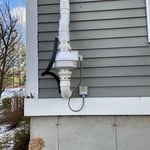
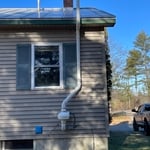
The lifespan of a radon mitigation system depends on the type of system and its maintenance. With proper care, a system can last for many decades. Passive systems tend to last longer as they have fewer components that require replacement. Active systems, which have more moving parts like fans, generally have a shorter lifespan. For instance, water filtration devices and active pressurization systems require more frequent maintenance. While the system as a whole is durable, the radon fan in an active system typically has a lifespan of 5 to 10 years and will need to be replaced. As long as the fan is working, the mitigation system should function correctly.

There are steps you can take as a homeowner to remediate radon yourself. While a radon reduction professional can make the biggest impact in your home, you can make efforts to improve radon levels on your own by sealing cracks, increasing ventilation, and testing for radon regularly.

The Silver Lake, NH homeowners’ guide to radon detection and reduction services

From average costs to expert advice, get all the answers you need to get your job done.