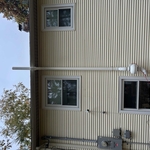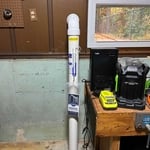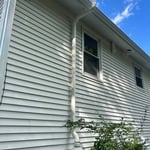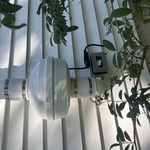





Top-rated radon detection and reduction specialists.

Get matched with top radon detection and reduction specialists in Freedom, NH

Enter your zip and get matched with up to 5 pros

Need a pro for your radon detection and reduction project in Freedom, NH?

Select your specific project to find the pro for you.

Find Radon detection and reduction specialists in Freedom

Avatar for Rhino Radon Services
Rhino Radon Services
4.2(
9
)
Radon Gas - AbatementRadon Gas - Testing

Serving Freedom, NH and surrounding areas

In business since 2014

Free estimates

Emergency services offered

"I have worked with many contractors,plumbers,electricians, etc. in my time owning two homes. On here in New England and the other in Pembroke Pines,FL. These gentlemen from rhino radon services were deffinelty personable and proffesional I felt like my home was in good hands with this company. After calling around and having a job scheduled with another mitigation company I was blown off and left with a short deadline. Luckily after speaking with Henri from rhino radon they were able to squeeze me right in your schedule the very next day even though they had two other jobs scheduled they showed up at 5pm and still completed the job to ensure I met my closing date, if your looking for a standout and accommodating radon company I would say look no farther then rhino radon. I was very pleased with the service I recieved. HIGHLY RECOMMENDED


"
Recommended by100%of homeowners
Radon Detection and Reduction questions, answered by experts

No level of radon is technically safe, but since it is naturally present everywhere, it is impossible to avoid entirely. The average radon level in homes across the United States is 1.3 picocuries per liter (pCi/L). The Environmental Protection Agency (EPA) recommends taking action to reduce radon levels if your home's test results are between 2 and 4 pCi/L or higher.

Use a radon test kit or hire professionals to conduct a detailed assessment of radon levels in your home.

Radon enters your home when warm air begins to rise and exits through the roof, creating a vacuum that pulls cooler air from under the foundation. Part of that air is radon, which is an invisible, odorless gas that develops naturally when radioactive particles are deep within the ground. Those particles usually come from decaying matter in soil and rocks.

While DIY testing is possible, abatement generally requires professional installation to ensure efficacy and meet safety standards.

Ideally, no one will live in a house with elevated radon levels, as prolonged exposure increases the risk of serious health issues like lung cancer. However, homes with radon can be made safe through mitigation systems, such as active soil depressurization. Testing for radon regularly and addressing high levels helps ensure a safe living environment.

The Freedom, NH homeowners’ guide to radon detection and reduction services

From average costs to expert advice, get all the answers you need to get your job done.