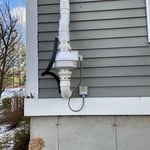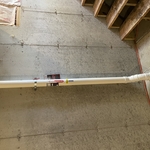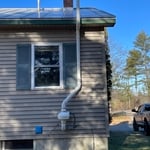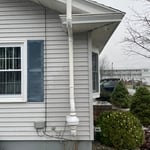







Top-rated radon detection and reduction specialists.

Get matched with top radon detection and reduction specialists in Conway, NH

Enter your zip and get matched with up to 5 pros

Need a pro for your radon detection and reduction project in Conway, NH?

Select your specific project to find the pro for you.

Find Radon detection and reduction specialists in Conway

Avatar for True North Home Inspections, LLC
True North Home Inspections, LLC
4.9(
27
)
Radon Gas - Testing

Serving Conway, NH and surrounding areas

Approved

In business since 2020

Free estimates

Emergency services offered

"I called John on a Thursday night looking for a 9AM, next day inspection of a property on auction that I needed inspected before I put my bid in. He answered my call, texted me, planned everything and was there at 9am ready to work. He gave us his immediate thoughts so that we could make an offer with good info and then sent us a super detailed report. I couldn't recommend him more. He gave us great peace of mind."
Response time3 hrs
Response rate89%
3 neighbors recently requested a quote
Avatar for Rhino Radon Services
Rhino Radon Services
4.2(
9
)
Radon Gas - AbatementRadon Gas - Testing

Serving Conway, NH and surrounding areas

In business since 2014

Free estimates

Emergency services offered

"He was on time, arrived at 9am as quoted and began to install the system. The system required two suction points and a sump pit cover. The sump pit originally had a pedestal pump in place and none of the other radon companies would change the pedestal pump to a submersible pump as required for the mitigation system to function properly. Rhino Radon not only changed the pump but installed a back flow check valve to ensure proper functioning of the system. All of the other companies said we would have to employ a plumber or a handy man to get this done. Had we gone that route the closing would not have happened. Rhino Radon gladly did all the work required and didn't even break for lunch!!! He was more concerned with getting us out of the vacant house seeing we are already down the cape. The system that involved a crawl space and being vented through the garage roof was completed immaculately and the test results came back at 0.5 pCil/L. This pleased the lender and buyer and exceeded our expectations. We highly recommend Rhino Radon Services.
"
Recommended by100%of homeowners
Radon Detection and Reduction questions, answered by experts

Keeping radon from getting into your home is much better than having to get rid of it once it's already indoors. While there may not be a way to fully prevent radon from getting into your home, there are things you can do to reduce the gas's ability to enter. 

Sealing foundation cracks and openings can help keep the gas from seeping inside. Improving air flow, such as by opening windows, can also be helpful. If you're building your home from scratch, talk to your contractor about using radon-resistant construction to keep the gas out.

You'll need to test your home for radon after installing the mitigation system, then again every two years. If radon remains elevated, contact a licensed radon professional, either the contractor who installed the system or a different one, and have them evaluate the system. They may need to make some changes to improve its effectiveness and performance.

A homeowner can install a radon mitigation system on their own. But it’s a challenging DIY that requires a lot of knowledge about radon mitigation as well as familiarity with local regulations. You do not want to risk an improper installation that leaves the system unable to detect radon or gives it a shortened life span. Relying on a professional is the surest way to guarantee a successful installation.

The average radon mitigation system uses about 876 kWh of electricity per year, although the exact amount of electricity used will vary depending on the size of the radon fan. Once the system is installed, the annual increase to your energy bill could range from $30 to $300 per year, again depending on the size of the fan.

Your radon mitigation system may be loud because it’s time to replace it. Any sounds are usually from the inline fan that helps create the vacuum and resulting airflow. If you hear a new, loud mechanical or humming noise from your radon fan, it might be time to replace it. Most fans used in radon mitigation systems last up to 10 years, but may need to be replaced sooner.

The Conway, NH homeowners’ guide to radon detection and reduction services

From average costs to expert advice, get all the answers you need to get your job done.