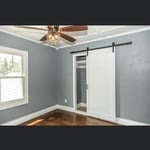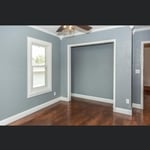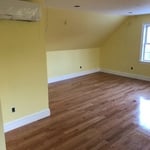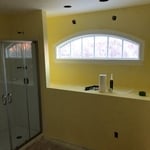






Top-rated drywall pros.

Get matched with top drywall pros in Freedom, NH

Enter your zip and get matched with up to 5 pros

Need a pro for your drywall service project in Freedom, NH?

Select your specific project to find the pro for you.

Find Drywall pros in Freedom

Avatar for JJ Sousa Masonry
JJ Sousa Masonry
5.0(
5
)
Drywall - Install

Serving Freedom, NH and surrounding areas

Approved

Super Service Award Winner

In business since 2019

Free estimates

Small jobs welcome

"They applied stone veneer over an old fireplace. It made a huge difference in our home. Their price was fair, they showed up on time and did excellent work. I highly recommend!"
Interior
Interior
Interior
Interior
Interior

+19

Response time2 days
Response rate95%
Recommended by60%of homeowners
Avatar for SW WOOD LLC
SW WOOD LLC
5.0(
1
)
Drywall - InstallDrywall - Install - For BusinessDrywall - Repair+1 more

Serving Freedom, NH and surrounding areas

Approved

Free estimates

Emergency services offered

Small jobs welcome

"I was very pleased with the work he did, he has a nice way of explaining things , I sure I will hire him again for other projects when needed he is a very pleasant person to deal with. Tank you Scott for being such a nice guy ."
3 neighbors recently requested a quote
Sonart Construction Corp.
2.3(
7
)
Drywall - InstallDrywall - Install - For BusinessDrywall - Repair+1 more

Serving Freedom, NH and surrounding areas

Approved

In business since 2013

Free estimates

Credit card accepted

"I recently had my shingle roof replaced and I?m very happy with the results. The team was professional, punctual, and completed the job efficiently. The quality of the work is excellent, and the new roof looks great. They kept the work area clean and communicated well throughout the process. I would definitely recommend them to anyone needing a roof replacement."
...
Showing 1-10 of 83
Drywall questions, answered by experts

Although they have similar applications, spackle and joint compound are not the same. Their primary differences lie in their composition, consistency, and ideal use cases.

Spackle is composed of gypsum and binding agents, making it thicker than joint compound. It dries quickly and is easy to sand, which makes it ideal for small wall repair projects like filling nail holes or patching minor damage.

Joint compound, also known as drywall mud, consists of limestone and gypsum. It is primarily used for large-scale projects, such as taping and finishing the seams on newly installed drywall. It tends to shrink more than spackle and can be more difficult to spread.

While both products can be used to fill small depressions and cracks, spackle cannot replace joint compound for taping and mudding new drywall. Conversely, you can often use joint compound for small patching jobs typically done with spackle.

Plastering and skimming are two different techniques for finishing walls. Plastering involves applying a thick layer of a plaster mixture—typically containing gypsum, lime, cement, sand, and water—to create a new surface. This process often requires multiple coats and is used for repairing significant damage or creating decorative textures. Skimming, on the other hand, is a technique that involves applying a thin layer of drywall compound or joint compound over an existing surface to smooth it out, covering minor imperfections, small cracks, or uneven textures for a polished look. Plastering is generally more costly and labor-intensive than skimming. Although some people use the terms interchangeably, they refer to different processes and materials.

Plaster itself has a higher R-value than drywall. However, there are other considerations surrounding plaster and insulation. As a general rule, it's easier to obtain consistency in insulating value and quality when working with drywall rather than plaster. Plaster walls often don't contain any insulation behind the wall covering by design, and careful evaluation is necessary when choosing to add it.

The short answer is yes, a sagging plaster ceiling is dangerous. Sagging plaster on a wall is something you should fix immediately, but it isn’t a major concern. If the same type of sagging occurs on a ceiling, however, you could be in danger of your ceiling falling in large chunks. When plaster sags, it loses its strength and ability to hold itself up. The bonds that hold it together are strong, though, so if a sagging area falls, it will take large pieces down with it.

Drying alone can take 1 to 4 hours to dry to the touch per plaster layer, but some types of plaster take several hours longer to dry. However, this doesn’t mean the job is done because plaster doesn’t fully harden until it cures, which can take a few days to a couple of weeks. It may take even longer if you’re building a new, pretty thick plaster wall. Allow the plaster to cure before painting it.

The Freedom, NH homeowners’ guide to drywall services

From average costs to expert advice, get all the answers you need to get your job done.