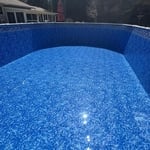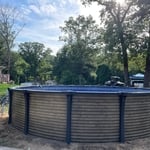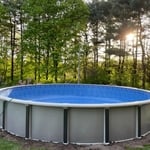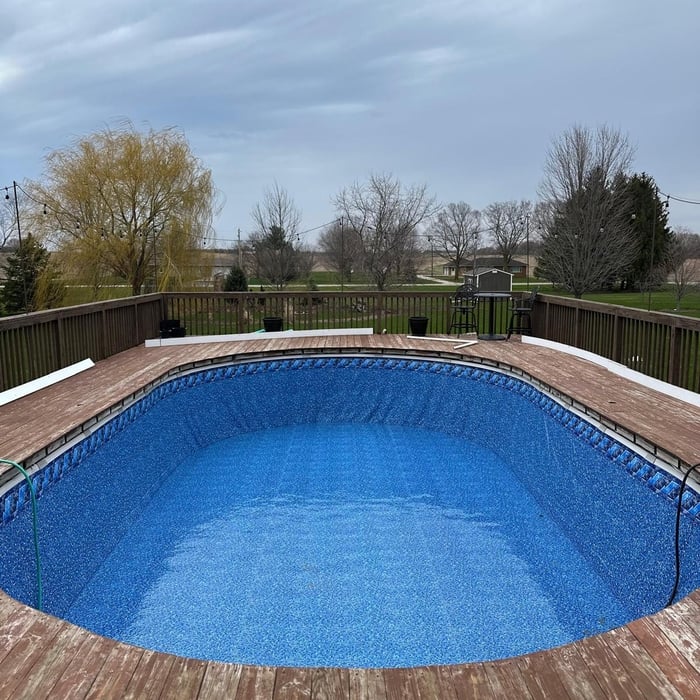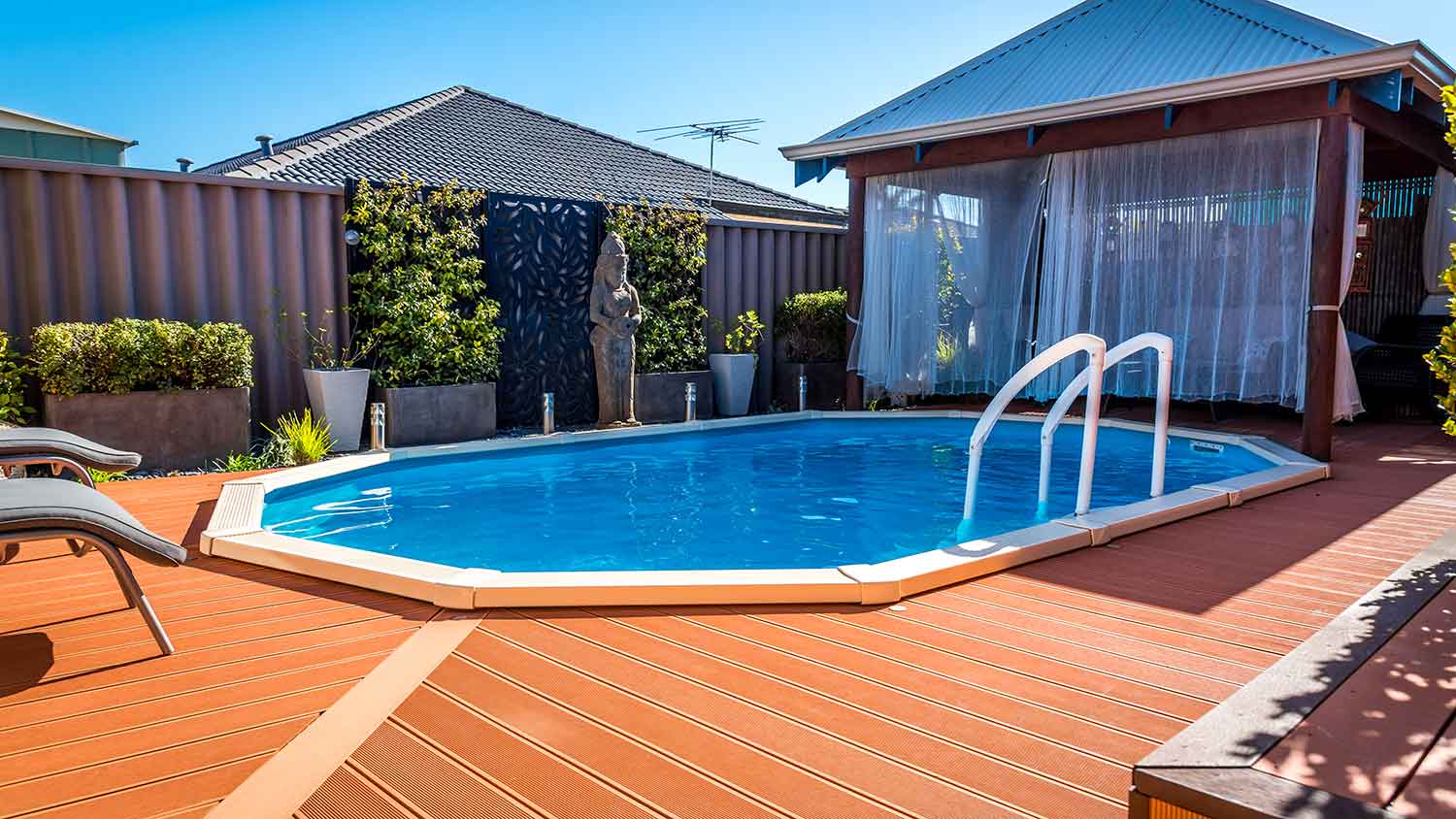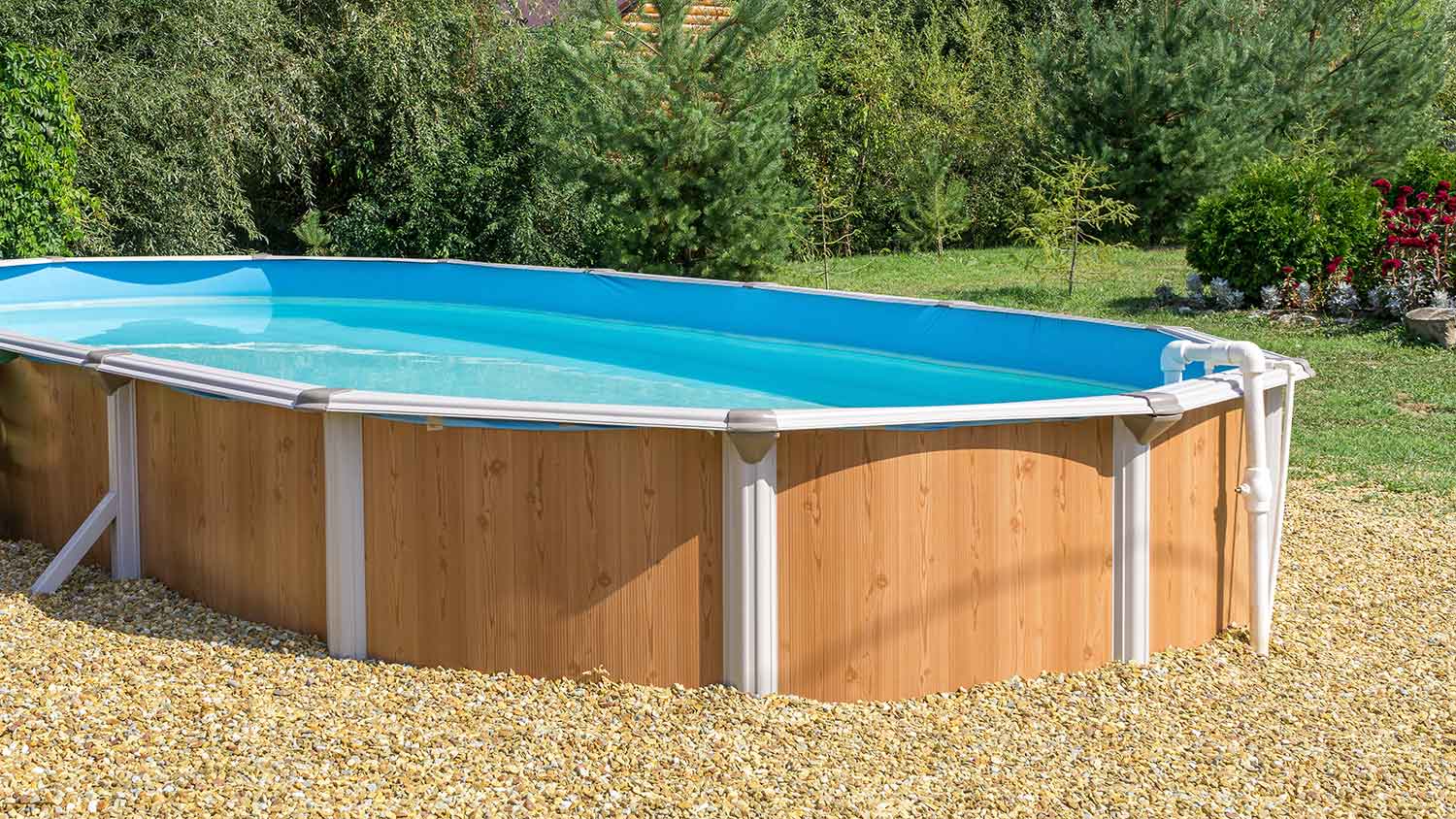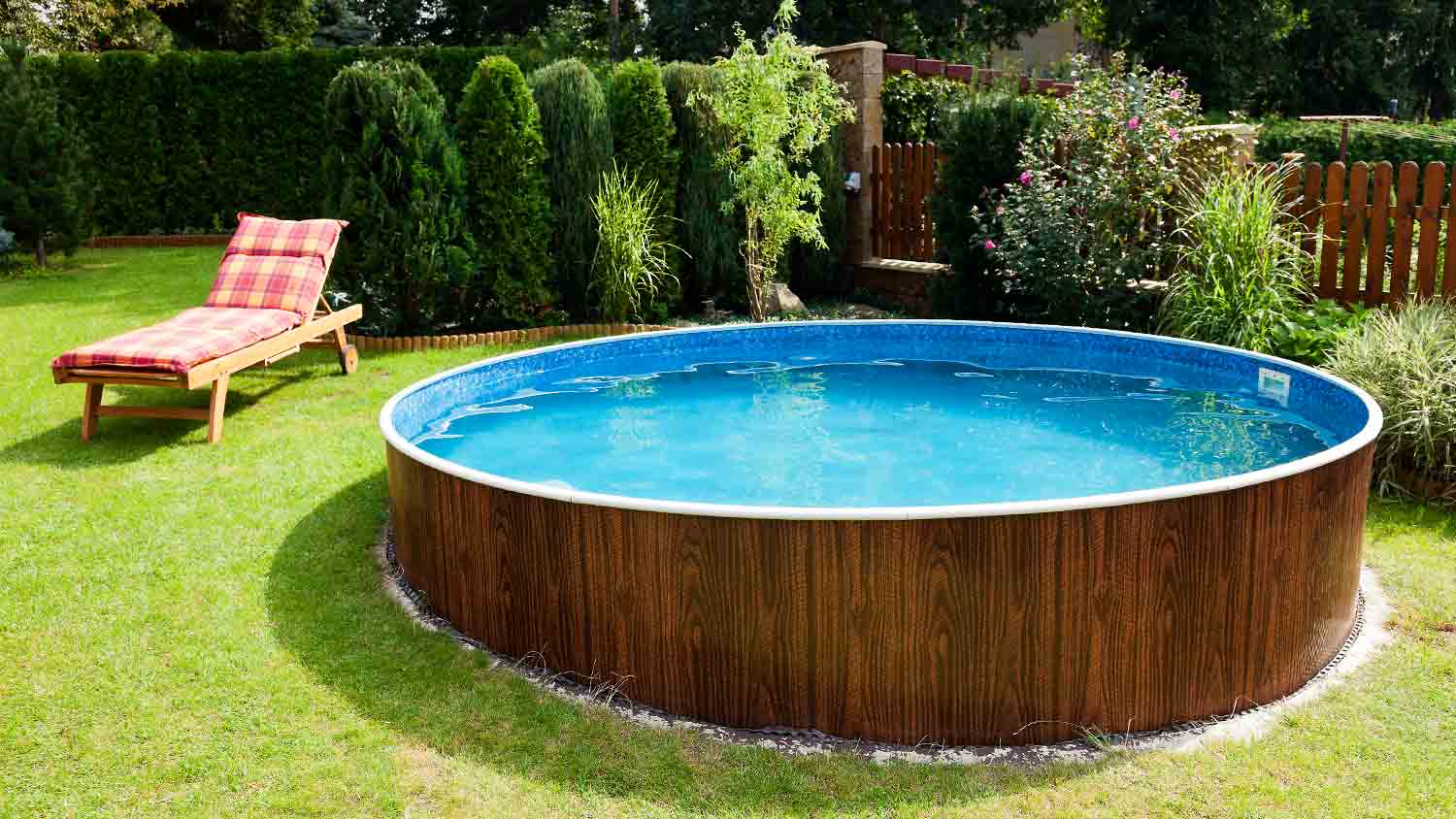







"Hope Waves did an amazing job with our above ground pool installation! Arrived earlier than scheduled, polite, professional and got the job done quick!!! The most reasonably priced company we found while researching for someone to do it! Would highly recommend this company crew to anyone!! Very pleased ☺️Duane & Kerri Behrends"
"I hired Donald to build a sundeck around my pool, that was in dire need of repair. Not only was he prompt and curtious, but he was very helpful and gave me suggestions that I hadn't thought of! Kudos to this company, and his attentive and helpful crew! Thank you Anointed Power!!!"
Install Above Ground Pools questions, answered by experts
The best temperature to paint a pool deck is between 50 and 90 degrees Fahrenheit, because many paints and sealers require temperatures warm enough for the chemical reaction to take place for proper curing. The paint should not be allowed to freeze, and temperatures above 90 degrees can cause the paint to dry too quickly, also preventing the chemical reaction from following through to completion.
Chlorine performs several functions, depending on where and how you use it. In drinking water, chlorine in small amounts kills potentially harmful bacteria. It's also a common ingredient in detergents for its whitening properties. Most people associate the chemical with pool use, where it works to kill and control bacteria, germs, and viruses in the water.
You should add chlorine within 48 hours of filling your pool with water. In just 24 hours, bacteria and algae will begin to grow and contaminate your water. After that point, you’ll need to shock the water with high levels of chlorine, and you’ll likely need to do additional vacuuming to get the pool clean. It’s important to check your chlorine levels two to three times a week and add more chlorine as needed to maintain a healthy level.
Generally, you do not need to drain your pool to convert it to a saltwater system. The main exception is if you have used an antibacterial agent containing polyhexamethylene biguanide to sanitize your pool, as these sanitation products do not mix well with saltwater systems. If this is the case, you will need to start fresh. You can either drain the pool or treat the existing water with a high dose of chlorine to remove the antibacterial agent. If you choose the chlorine treatment, wait several days to allow the chlorine to work before proceeding with the conversion. If you are unsure whether this applies to your pool, consult a pool technician.
An aboveground pool should be level within 1 inch—and it starts to become unsafe after a couple of inches. Any slope will lead to an uneven distribution of water, which will put pressure on your pool’s structure, wearing down the pool liner. In certain cases, it could cause your pool to collapse. Even if you’re within a safe window, you may still notice that the water level is uneven.
The Wisner, NE homeowners’ guide to above ground pool installation services
From average costs to expert advice, get all the answers you need to get your job done.
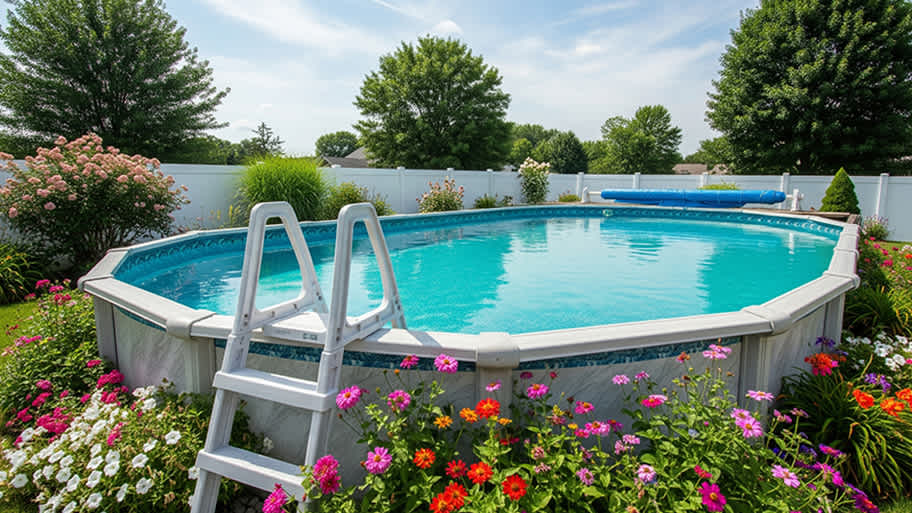
Ready for a backyard oasis? Learn everything about above ground pool installation, including average costs, site prep, and how to hire local pool installers.
Above ground pools are more affordable than inground pools, so can you put an above ground pool in the ground to save money? Learn when it’s safe to do so.