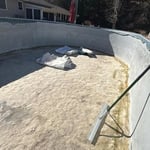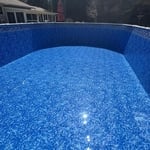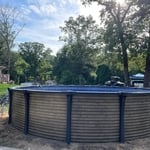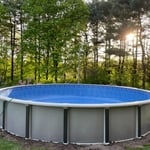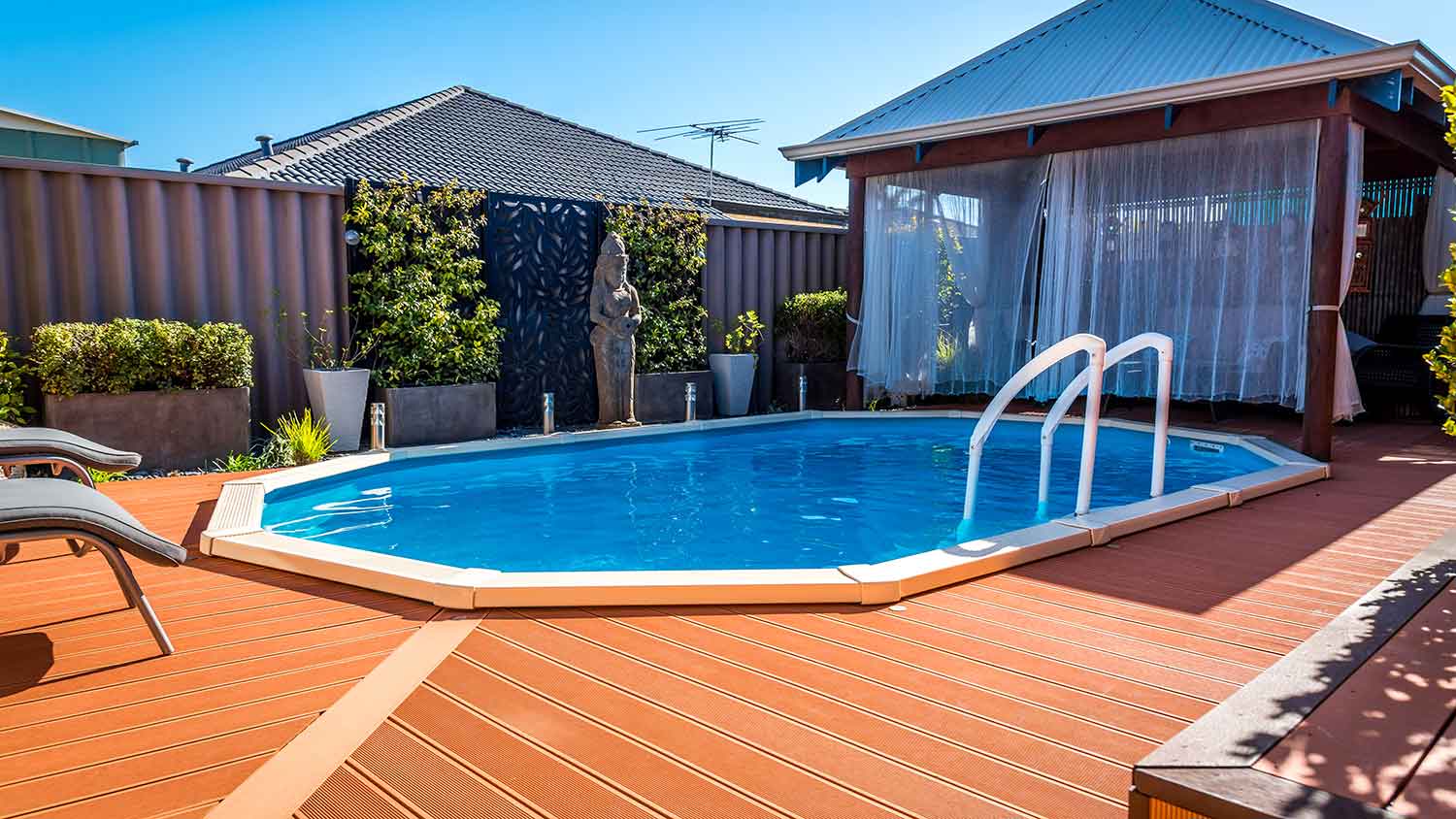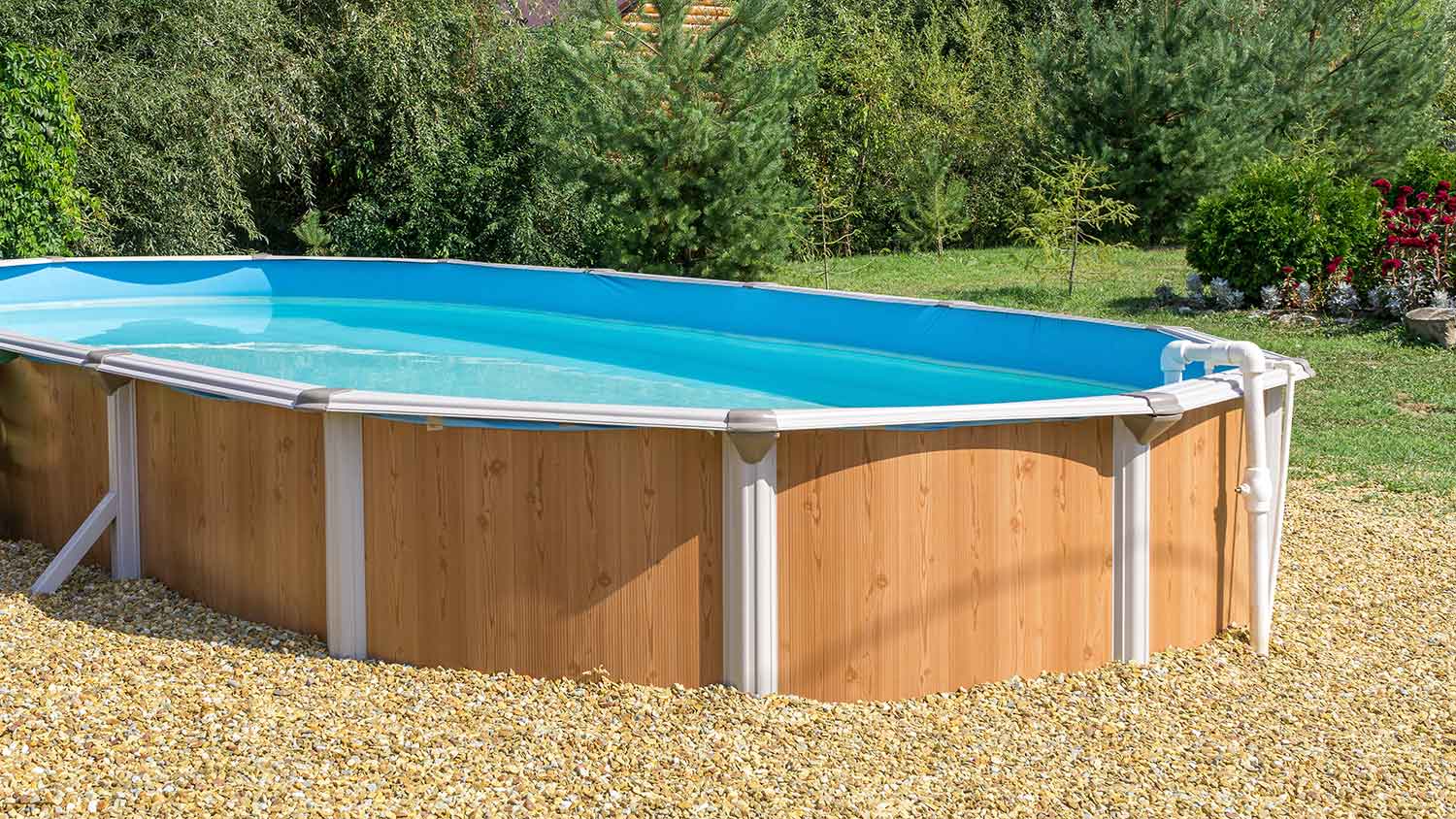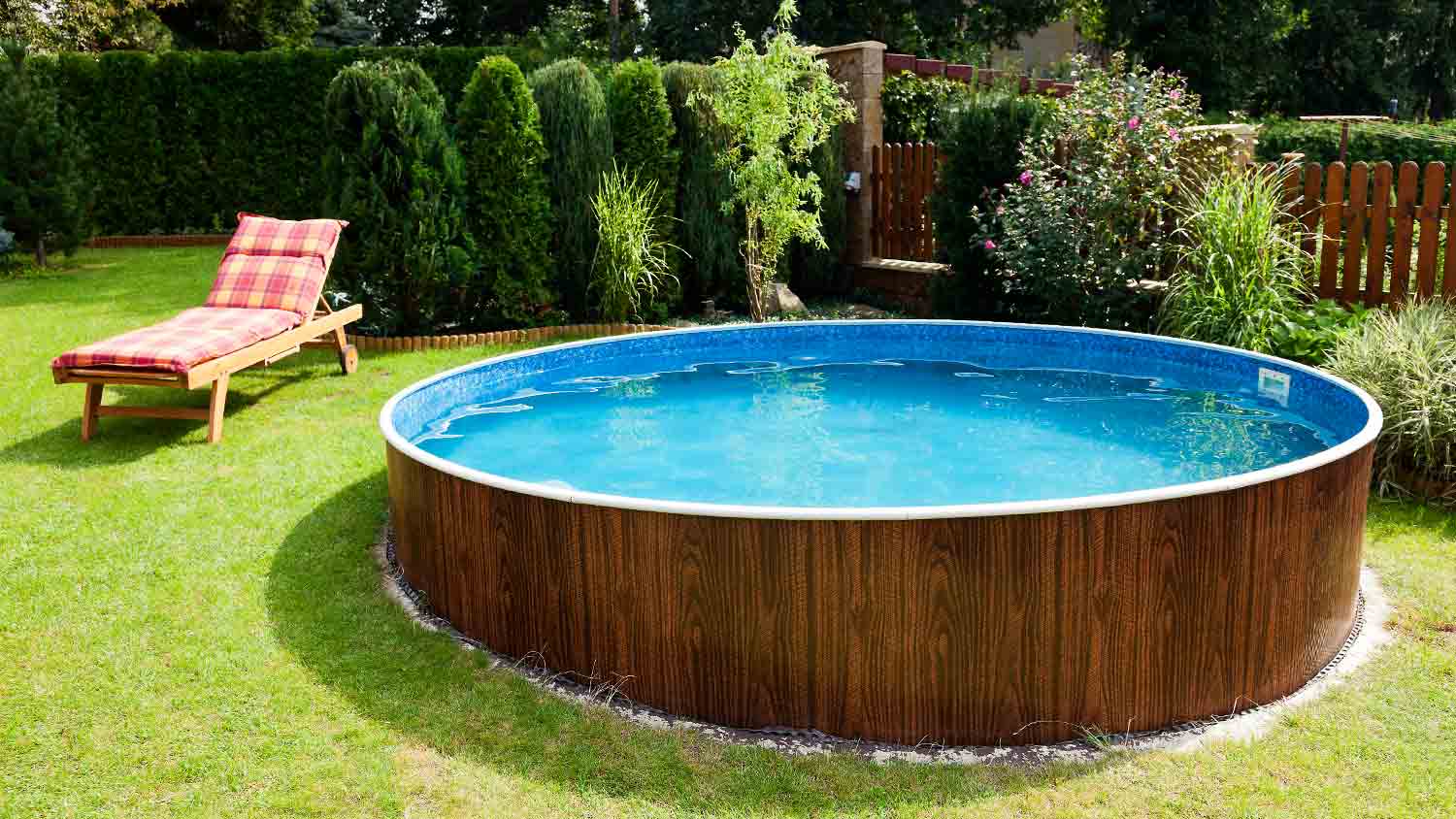





Top-rated above ground pool installation pros.

Get matched with top above ground pool installation pros in Wakefield, NE

Enter your zip and get matched with up to 5 pros

Need a pro for your above ground pool installation project in Wakefield, NE?

Select your specific project to find the pro for you.

Find Above ground pool installation pros in Wakefield

Install Above Ground Pools questions, answered by experts

A few factors influence the time it takes for a pool to heat up, including the size of your pool, the temperature outside, and how much direct sunlight is hitting the water in the pool. With these factors in mind, it takes 12 to 72 hours to raise the temperature in a pool by 20 degrees Fahrenheit.

While you can run a pool heater all day, it is advised only to run it during the day, as it is more energy efficient. At night, it is better to purchase a solar pool cover to retain the heat within the pool.

Losing some water from splashing and evaporation is normal. However, if you notice a rapid drop in the water level or are adding water more frequently than usual, you might have a leak. Other common signs of a pool leak include:

  • Unexplained soft, mushy, or wet spots in the yard.

  • Cracks in the pool's structure or falling tiles.

  • Higher-than-normal water bills.

  • Persistent algae growth or water discoloration.

  • Standing water near the pump, pipes, or other pool equipment.

A black tarp will indeed heat your pool. Black absorbs more heat than other colors. This heat will transfer down to the water in your pool and help increase the temperature. It will not be extremely effective at raising the overall temperature, but it can help maintain the current temperature.

The number of gallons in your pool will determine how much chlorine you’ll need to add to your pool for the first time. Chlorine levels should fall between 1 and 3 ppm. It's crucial to read the instructions on your chlorine packet to determine the number of tablets to put in the water based on your pool's capacity.

Chlorine performs several functions, depending on where and how you use it. In drinking water, chlorine in small amounts kills potentially harmful bacteria. It's also a common ingredient in detergents for its whitening properties. Most people associate the chemical with pool use, where it works to kill and control bacteria, germs, and viruses in the water. 

The Wakefield, NE homeowners’ guide to above ground pool installation services

From average costs to expert advice, get all the answers you need to get your job done.