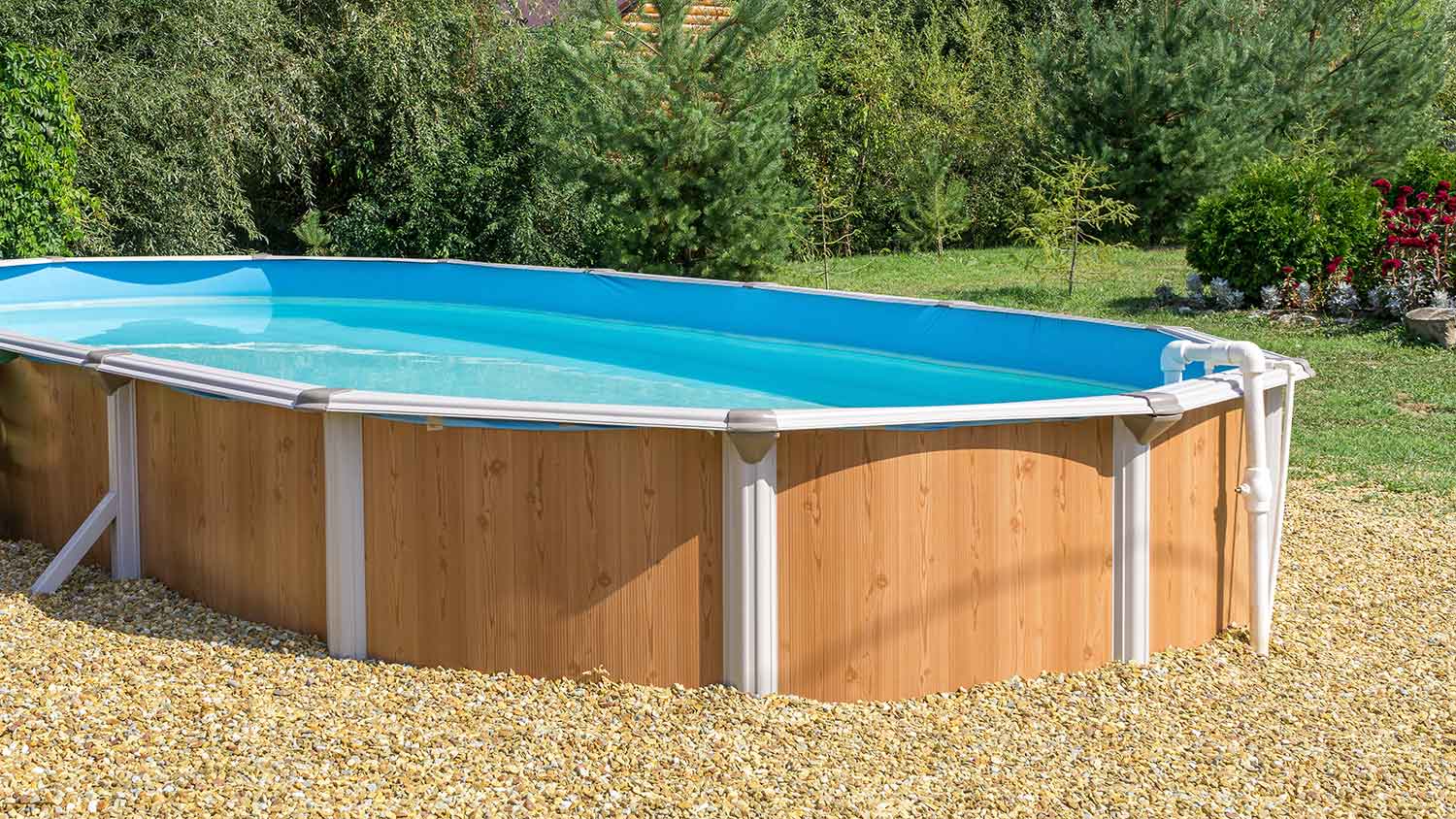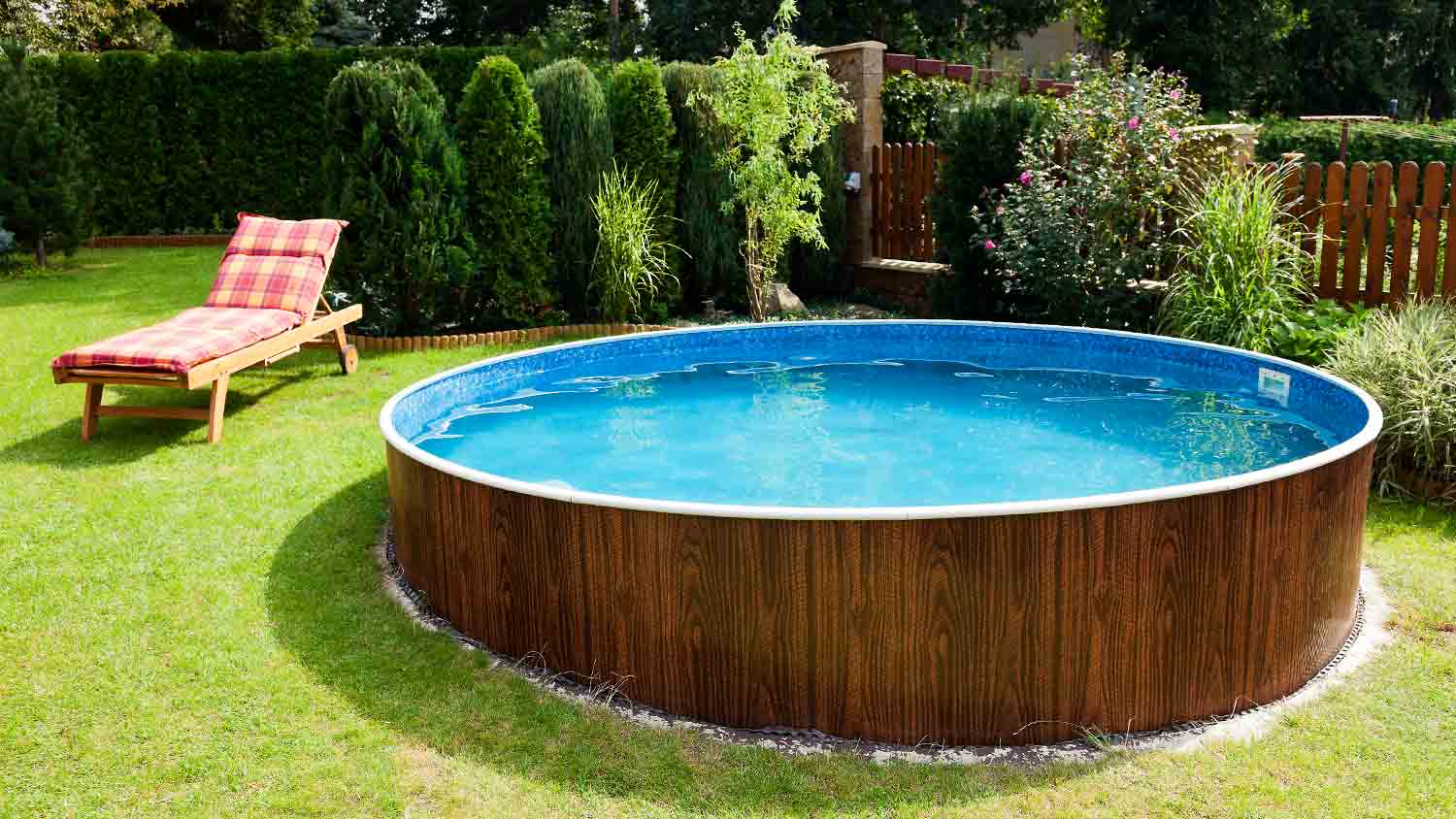


Top-rated above ground pool installation pros.

Get matched with top above ground pool installation pros in Laurel, NE

Enter your zip and get matched with up to 5 pros

Need a pro for your above ground pool installation project in Laurel, NE?

Select your specific project to find the pro for you.

Find Above ground pool installation pros in Laurel

Install Above Ground Pools questions, answered by experts

Detecting a leak in your pool costs about $300 on average. The price ranges widely from low $100 up to $1,000. Here are the costs involved in leak detection services for your pool:

  • Pool inspection: $125–$250

  • Above ground pool leak detection: $100–$700

  • Inground pool leak detection: $400–1,000

  • Vinyl liner repair: $350–$3,600

  • Fiberglass lining repair: $300–$400

  • Concrete liner repair: $75 per linear foot

  • Pressure test pool lines: $200–$500

  • Skimmer repair: $100–$250

  • Main drain repair: $400–$700

  • Pump repair: $50–$300

  • Tile repair: $20-$30 per linear foot

No, shock and chlorine are not the same thing, though they are related and both are used for pool maintenance. Regular chlorine, often in the form of tablets, is a sanitizer used for routine, day-to-day maintenance to keep a steady chlorine level. Pool shock, however, is a highly concentrated dose of chlorine used periodically for a more intense cleaning. It rapidly raises chlorine levels to fix issues like cloudy water or algae growth and also eliminates chloramines, which are byproducts of regular chlorination. Because their purposes and concentrations differ, they are not interchangeable, and proper pool care typically requires using both.

Losing some water from splashing and evaporation is normal. However, if you notice a rapid drop in the water level or are adding water more frequently than usual, you might have a leak. Other common signs of a pool leak include:

  • Unexplained soft, mushy, or wet spots in the yard.

  • Cracks in the pool's structure or falling tiles.

  • Higher-than-normal water bills.

  • Persistent algae growth or water discoloration.

  • Standing water near the pump, pipes, or other pool equipment.

You can usually use the water from your tap to refill your pool, whether it's city water or well water. If you're going to use well water to fill your pool, make sure you have an adequate amount of water available and that the water is free of contaminants. A water delivery service may also be able to bring water to refill your pool.

If you don’t bond a pool, you risk electric shock for those walking around or swimming. Bonding creates safe pathways between the electricity needed to run the pool and metallic parts also necessary for the proper function of the pool. Once the pool is bonded, it’s ready for grounding, the second step in creating an electrically safe pool.

The Laurel, NE homeowners’ guide to above ground pool installation services

From average costs to expert advice, get all the answers you need to get your job done.