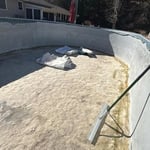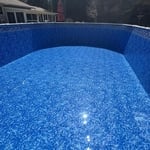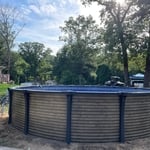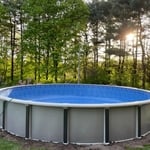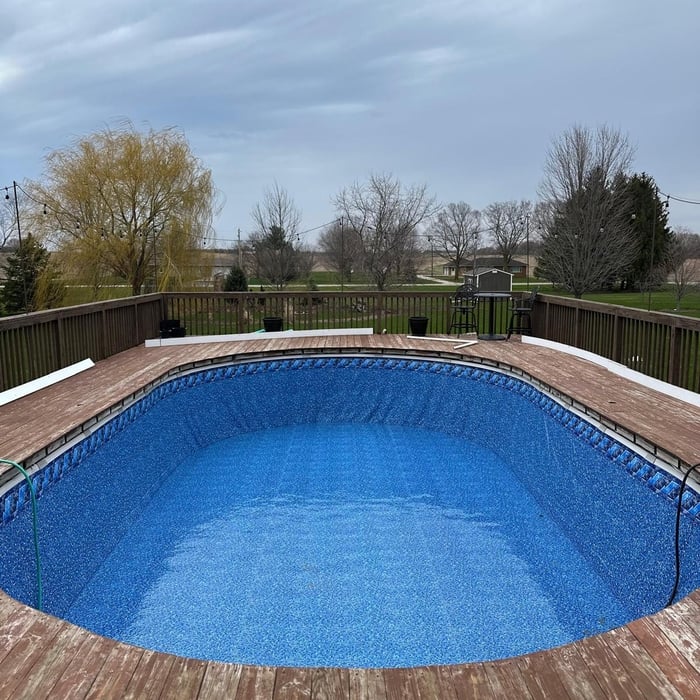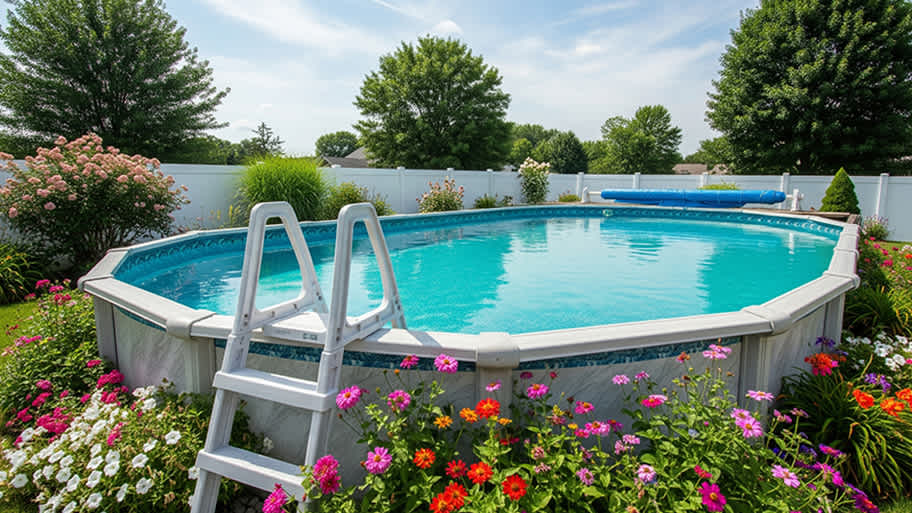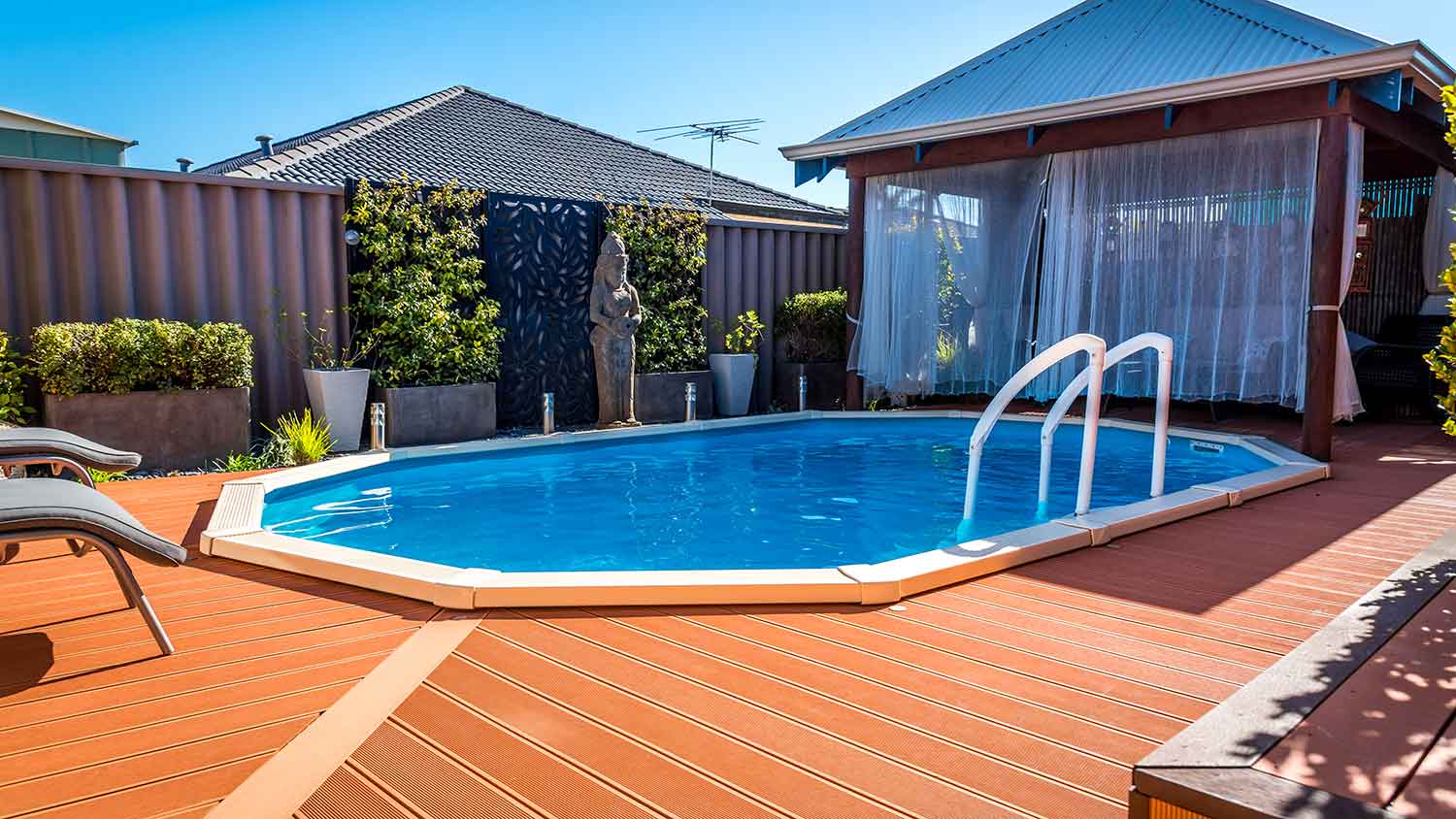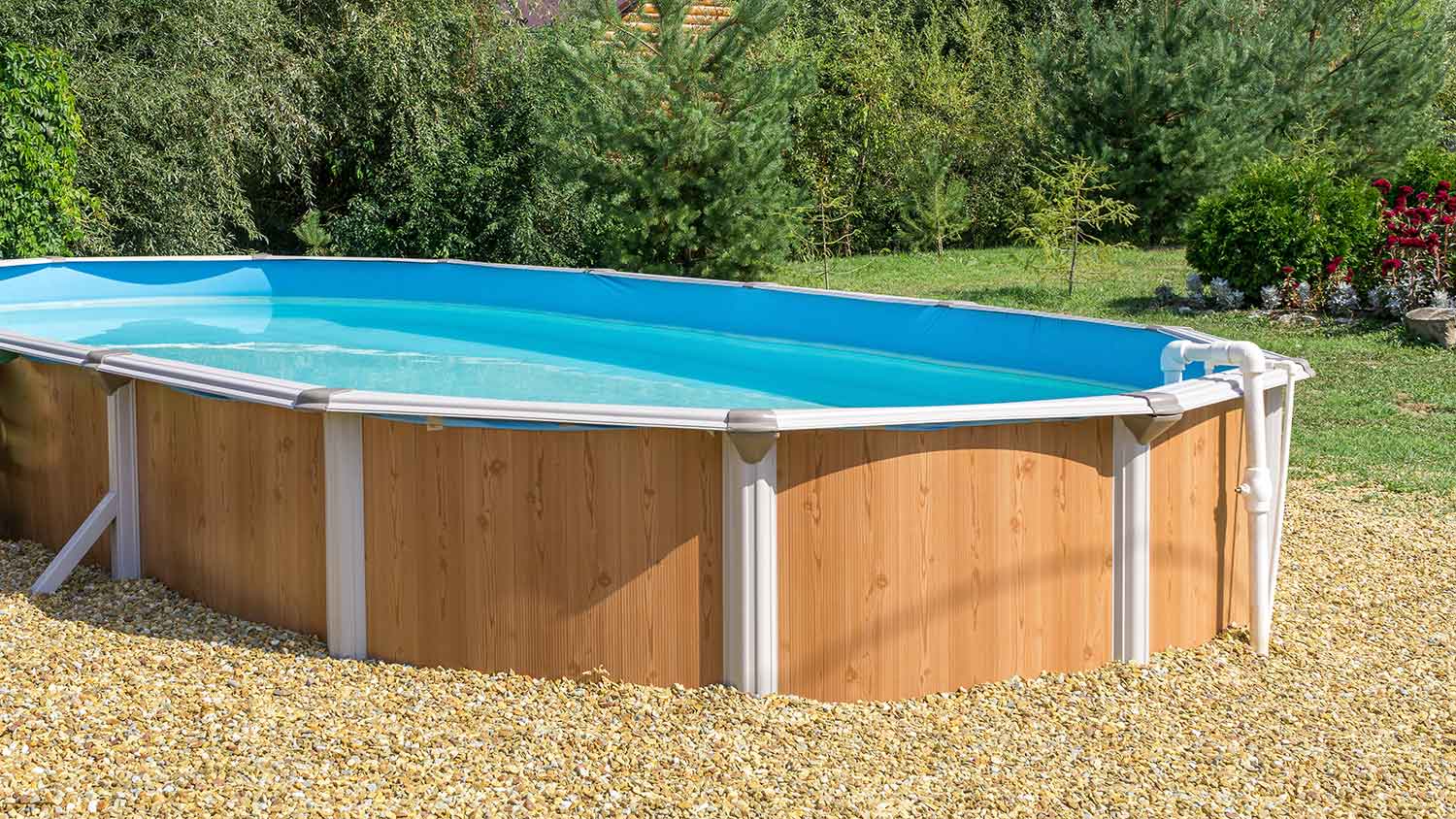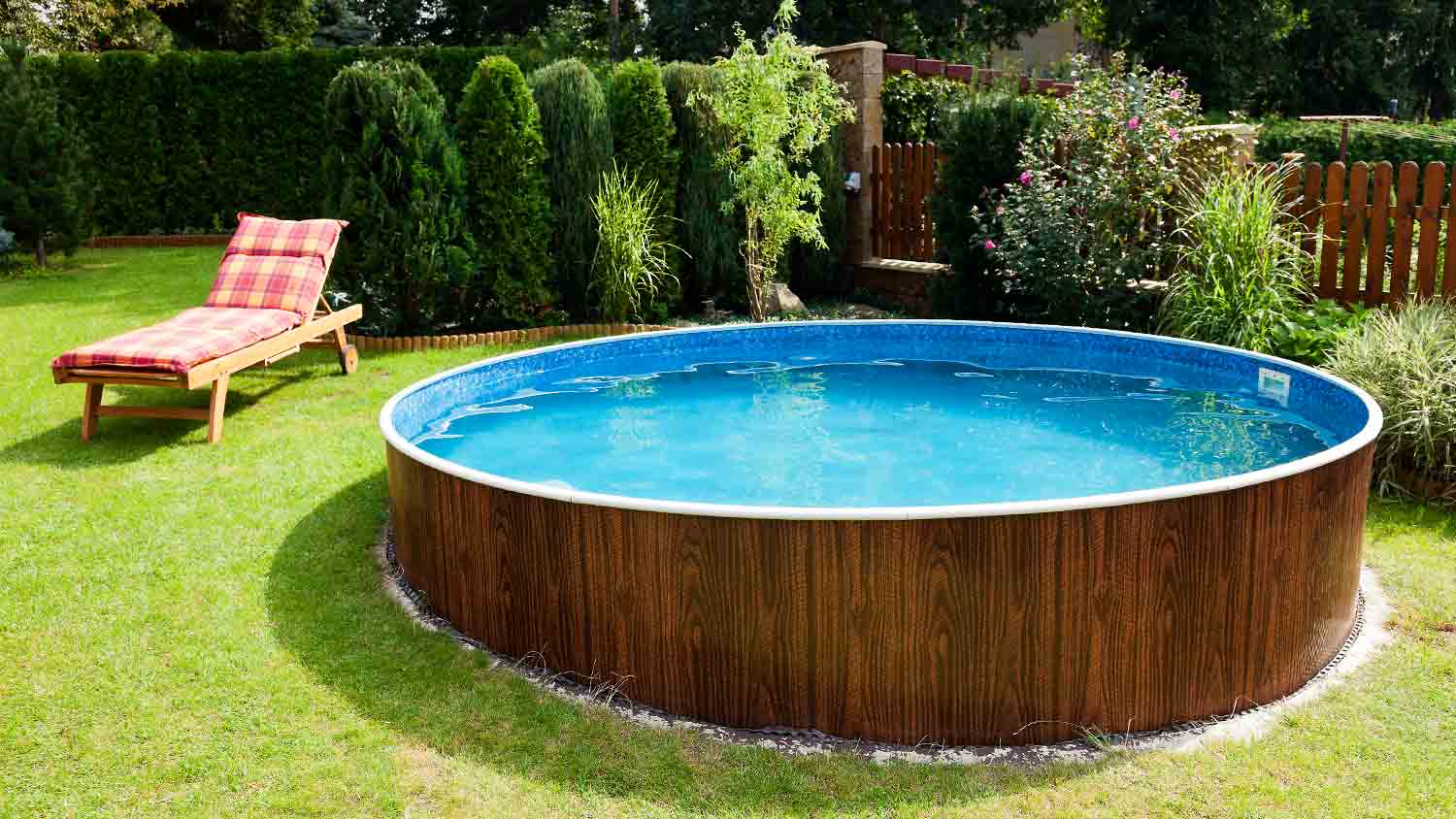







"Hope Waves did an amazing job with our above ground pool installation! Arrived earlier than scheduled, polite, professional and got the job done quick!!! The most reasonably priced company we found while researching for someone to do it! Would highly recommend this company crew to anyone!! Very pleased ☺️Duane & Kerri Behrends"
"I hired Donald to build a sundeck around my pool, that was in dire need of repair. Not only was he prompt and curtious, but he was very helpful and gave me suggestions that I hadn't thought of! Kudos to this company, and his attentive and helpful crew! Thank you Anointed Power!!!"
Install Above Ground Pools questions, answered by experts
Draining a pool with a garden hose can take between eight and 14 hours depending on the depth of your pool and whether you use a sump pump. Be sure to stay close to the pool during this time to ensure the structure of your pool remains unharmed and that the water drains properly.
Pavers are a great decking option for pools. They’re customizable, come in a variety of shapes, sizes, colors, textures, materials, and price points, and they’re slip-resistant. Concrete pool decks, on the other hand, are harder to repair and replace if damaged and aren’t as slip-resistant as most paver materials. However, not all pavers are equal in terms of durability, maintenance, and performance. Pavers also have their own cons that may encourage homeowners to opt for stamped concrete instead, such as higher upfront costs.
When looking into fiberglass vs. concrete pools, you will notice a big price difference. A fiberglass pool costs $15,000 to $75,000, whereas a concrete pool costs $35,000 to $100,000. While concrete pools are customizable, fiberglass is faster to install and requires less maintenance. Additionally, you can expect to pay $25,000 to maintain a concrete pool over a ten-year span. On the other hand, a fiberglass pool only requires basic maintenance like testing water levels and cleaning.
If you don’t bond a pool, you risk electric shock for those walking around or swimming. Bonding creates safe pathways between the electricity needed to run the pool and metallic parts also necessary for the proper function of the pool. Once the pool is bonded, it’s ready for grounding, the second step in creating an electrically safe pool.
While some water loss from splashing and evaporation is normal, a rapid or excessive drop in the water level may indicate a leak. Other signs of a pool leak include unexplained soft or wet spots in the yard, cracks in the pool structure or falling tiles, higher-than-normal water bills, persistent algae growth or water discoloration, and standing water around the pump, pipes, or other pool equipment.
The Lyons, NE homeowners’ guide to above ground pool installation services
From average costs to expert advice, get all the answers you need to get your job done.
Ready for a backyard oasis? Learn everything about above ground pool installation, including average costs, site prep, and how to hire local pool installers.
Above ground pools are more affordable than inground pools, so can you put an above ground pool in the ground to save money? Learn when it’s safe to do so.