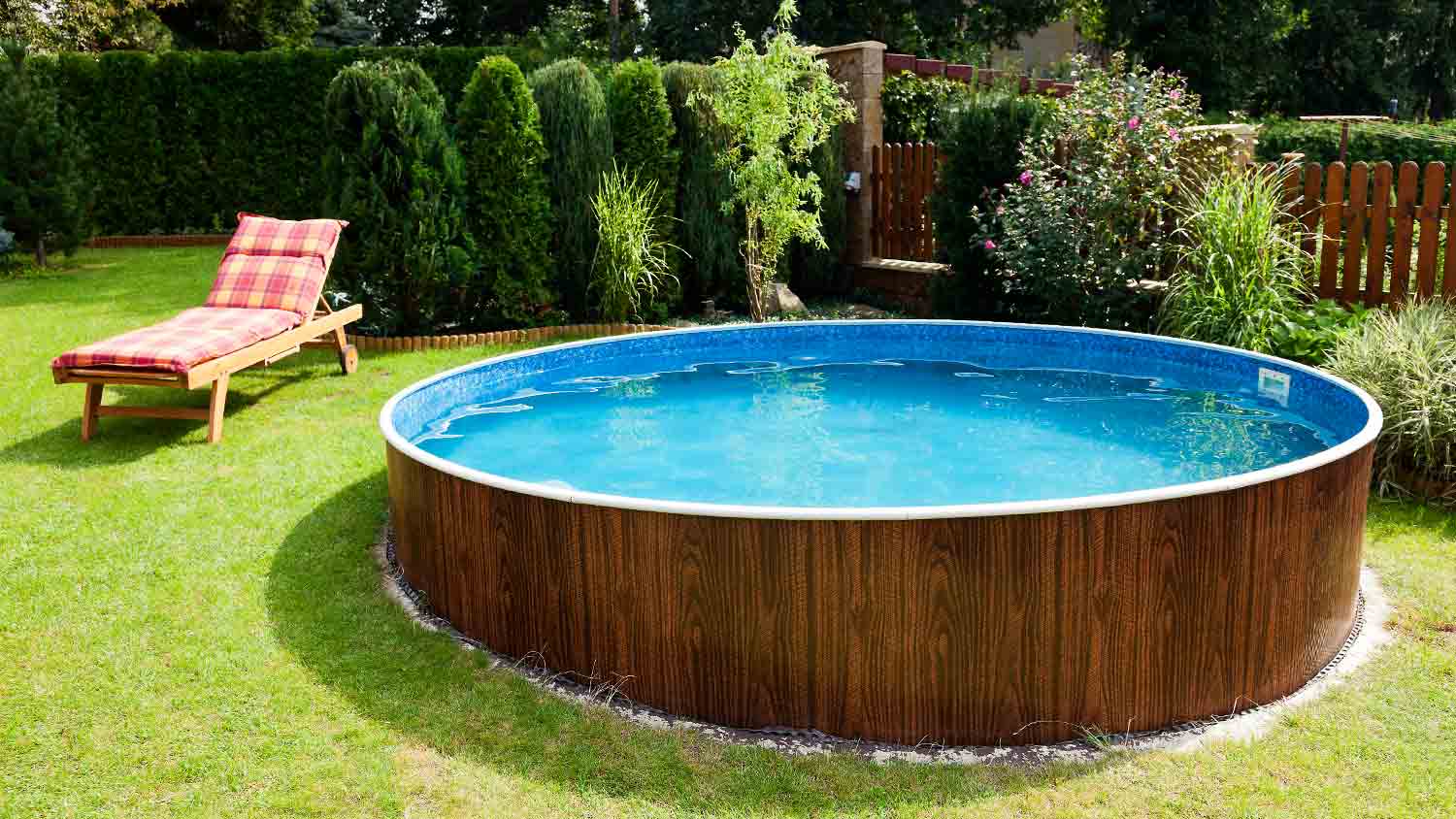



Top-rated above ground pool installation pros.

Best above ground pool installation pros near Randolph, NE

Enter your zip and get matched with up to 5 pros

Need a pro for your above ground pool installation project in Randolph, NE?

Select your specific project to find the pro for you.

Top-Rated Above ground pool installation pros in Randolph - Updated Nov 2026

Install Above Ground Pools FAQs, answered by experts

The time it takes for a pool heater to heat a pool can range from eight to 48 hours, with an average of about 12 hours for the initial heating. For a more specific example, an average-sized 15,000-gallon pool may take six to 10 hours to heat up by 10 degrees. The exact duration depends on several factors, including the pool's size, the type and size of the heater, the starting water temperature, and the outside air temperature. It may take some trial and error to determine the precise time your specific pool takes to reach a desired temperature.

Whether your homeowners insurance covers a pool leak depends on your specific policy, so it's essential to check your policy documents before taking on any repairs. Typically, leaks caused by a covered event, such as a fallen tree branch or a fire, may be covered. However, leaks resulting from general wear and tear or poor maintenance are usually not. It is also a good practice to review your homeowners insurance policy before installing a pool to fully understand your personal liability and coverage.

Yes, pool pumps use a significant amount of electricity, making them one of the biggest energy consumers in a home. A pool pump can use up to three times as much electricity as a refrigerator. Typically, a residential pool pump consumes about 1 kilowatt-hour (kWh) for every hour it runs. Because pumps often need to run for about eight hours a day to properly filter the water, this can add up to an annual consumption of 3,000 to 5,000 kWh, which can cost between $480 and $800 per year based on average electricity rates.

The amount of electricity your pump uses depends on its size, energy efficiency, and daily run time. To lower your energy consumption, you can choose an energy-efficient or variable-speed pump, ensure it is correctly sized for your pool, and run it only for the minimum time required to keep the water clean.

You should wait at least six hours after adding baking soda before swimming in your pool. Even better, wait at least 24 hours to ensure it’s fully mixed in and dissolved. While it’s likely not harmful, if you get in the pool too early, the baking soda may irritate your skin or eyes if you’re sensitive to it.

In-ground pools lose water naturally due to wind, heat, and humidity. They also lose water from the kiddos' cannonball competitions. But be mindful of the water level. If it drops too low and the pump draws in air instead of water, it will likely be damaged and require repair or replacement.

The Randolph, NE homeowners’ guide to above ground pool installation services

From average costs to expert advice, get all the answers you need to get your job done.