




Top-rated asphalt driveway pros.

Get matched with top asphalt driveway pros in Saint Paul, NE

Enter your zip and get matched with up to 5 pros

Need a pro for your asphalt driveway service project in Saint Paul, NE?

Select your specific project to find the pro for you.

Find Asphalt driveway pros in Saint Paul

Avatar for O&R CONSTRUCTION LLC
O&R CONSTRUCTION LLC
5.0(
1
)
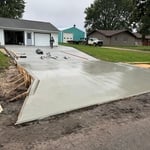
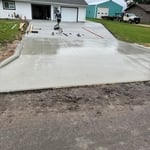
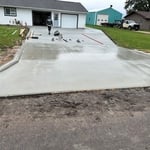
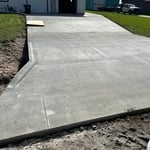
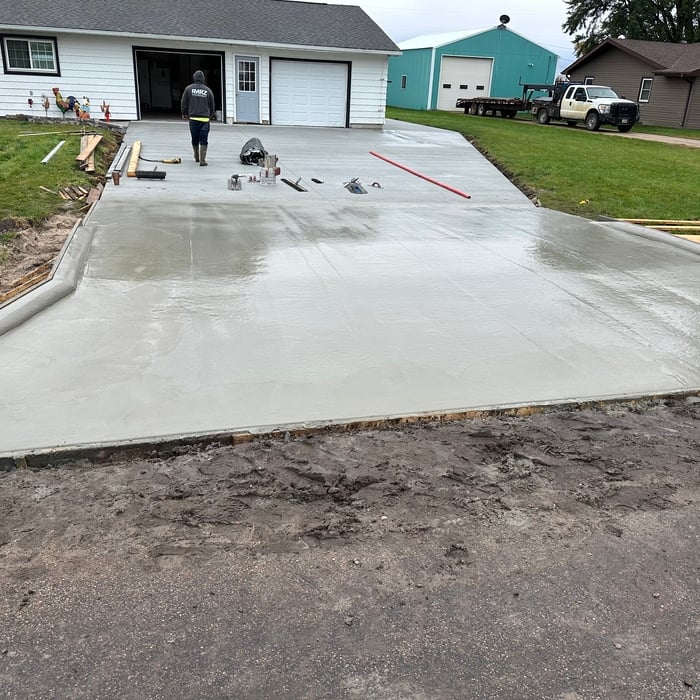
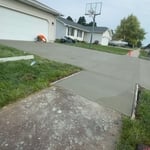
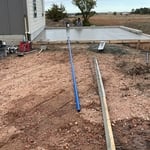
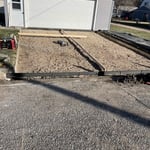
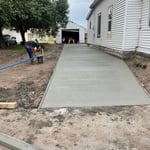
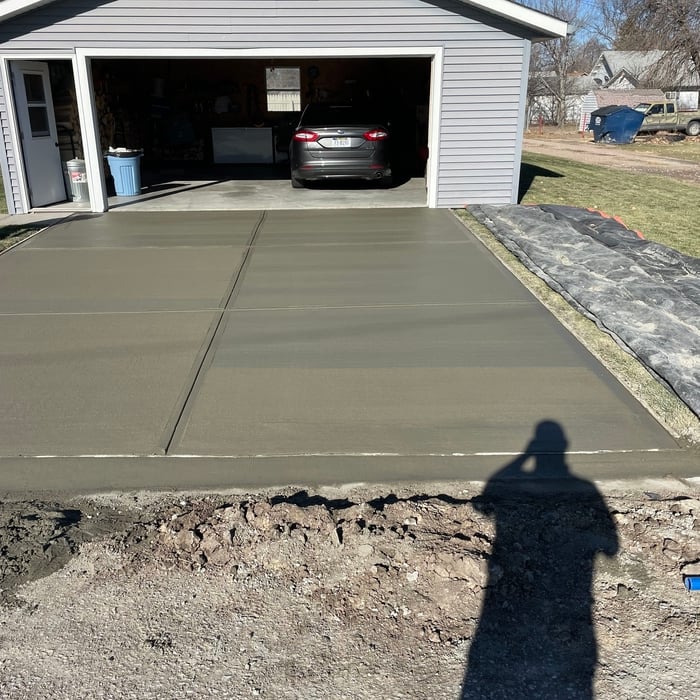
Concrete Driveways - Install

Serving Saint Paul, NE and surrounding areas

In business since 2018

Free estimates

Offers commercial services

With years of experience serving the area, we are your solution for all your landscaping needs. We take great pride in our extreme professionalism, timeliness and superior customer service on every job. We make sure to develop a lasting relationship so that the next time service is needed there will be no question on who to call. Check out our 5 star reviews from happy customers! Call us today so we can discuss your needs and make a plan that fits your budget. Satisfaction guaranteed!

Recommended by100%of homeowners
Showing 1-10 of 24
Asphalt Driveways questions, answered by experts

Asphalt dries and cures best between 50 and 85 degrees Fahrenheit. This range allows moisture to evaporate quickly without causing the asphalt to cool too fast, which can negatively affect the drying process. However, keep in mind that other weather conditions can also affect curing and drying times, such as precipitation and humidity.

The cost to pour a driveway apron depends on the material and size. Concrete costs $3 to $10 per square foot, asphalt ranges from $2 to $5, and pavers are $5 to $15 per square foot. Additional expenses, like excavation, base material, and labor, can increase the total cost. For example, a standard 12x15-foot concrete apron could cost between $540 and $1,800, depending on local rates and additional work required. Always consult a local driveway paving contractor to get an accurate estimate tailored to your project.
There’s no single best asphalt grade—it all comes down to where and how it’s used. Highways and heavy-traffic roads need something tough, like polymer-modified asphalt (PMA) or Stone Matrix Asphalt (SMA). Local roads and parking lots rely on the Performance Graded (PG) system, chosen based on climate. A PG 64-28 mix, for example, handles a broad temperature range while simpler, more cost-effective mixes are typically enough for residential driveways. The best grade of asphalt depends on traffic, weather, and your budget, which is why a professional’s input is always a smart move before making a decision.

Your driveway contractor will probably recommend that you avoid driving on your new millings driveway for up to a week. Keeping pressure off the freshy applied millings will help the driveway to bind together. While the sun is helpful for binding millings, hotter weather can actually make the curing process take longer.

Wet cutting is usually the preferred method. It controls dust, which helps protect your lungs and makes for a cleaner working environment. Plus, the water cools the blade, preventing overheating and prolonging its life while providing smoother, more precise cuts. The downside is the mess—water and asphalt sludge can be messy to clean. Dry cutting, though convenient if water isn’t available, creates a lot of dust, which can be harmful. This also increases the risk of blade damage due to overheating. So, if you have the option, wet cutting is the better method for most asphalt jobs.

The Saint Paul, NE homeowners’ guide to asphalt driveway services

From average costs to expert advice, get all the answers you need to get your job done.